
British gardeners are being urged to help beetles after fears the topsy-turvy spring weather could have a detrimental impact on population numbers.
While early June is considered to be peak beetle season around the UK, the Royal Horticultural Society (RHS) and Wildlife Trusts fear that April's exceptionally cold spell followed by a deluge of rain in May could make it trickier for the beetles as they begin to mate.
In order to help the insects, the charities are asking Brits to look out for soldier beetles, click beetles and longhorn beetles by recording them using the nature app iNaturalist. As well as this, they also want gardeners to get creative and make beetle banks in the garden by planting species such as hawthorn, dogwood, angelica, fennel, and chervil.
"There is growing evidence that the cold spring has affected this year's beetles. Ladybird numbers, in particular, seem very low, which is probably due to the cold weather in April wiping out their prey – especially aphids," Entomologist, Ben Keywood, of Sheffield Wildlife Trust, says.


Helen Bostock, senior horticultural advisor at the RHS, adds: "At last the warmer weather has meant gardeners can get out into their gardens. Plants are growing at speed and wildlife is really starting to get active too.
"The wet May means you're more likely to see 'Maybugs' or cockchafers in June instead this year! Anyone who has been leaving a patch of grass to grow long can now expect to see weevils and beetles on flowering daisies and buttercups and, if they're really lucky, a glow worm or two among the grass."
As part of the Bring Back Our Beetles campaign, there are lots of ways people can get involved. Take a look at the three beetles to keep an eye open for...
Soldier beetles


These medium-sized, narrow beetles feed on aphids and are commonly found on open structured flowers like daises and hogweed. You'll recognise them by their various colour combinations of black, red and orange.
Click beetles


Click beetles, which are also known as snapping beetles and skipjacks, have the ability to jump at an impressive speed. With 65 species of click beetle in the UK, it might be quite a challenge to tell them apart in your garden.
Longhorn beetles


Famous for their long antennae, these beetles are associated with dead wood, where the larvae develop. "Well-known longhorns include musk beetles – noted for their musky secretion, and wasp beetles, which favour dead willow and birch. Not only are wasp beetles coloured like wasps, but they mimic their movements too," add the Wildlife Trusts.
For more information about the campaign, head over to Wild About Gardens.
Like this article? Sign up to our newsletter to get more articles like this delivered straight to your inbox.SIGN UP
Looking for some positivity? Get Country Living magazine posted through your letterbox every month.SUBSCRIBE NOW
32 of the best garden furniture sets

Europa Leisure Trabella Roma Dining Set
This reasonably-priced set looks smart and modern. Thanks to the polypropylene material, it's easy to wipe clean – and the chairs are stackable.

Charles Taylor Wooden Conversation Set
We're looking forward to sunny days relaxing with family outside. This FSC-certified wooden garden furniture set will make a lovely addition to your space. There's even a table for your glass of Pimms.

Homebase Bambrick Garden Dining Set
This square dining set would look lovely tucked in a corner, or would make a good option if your patio area is on the small side.
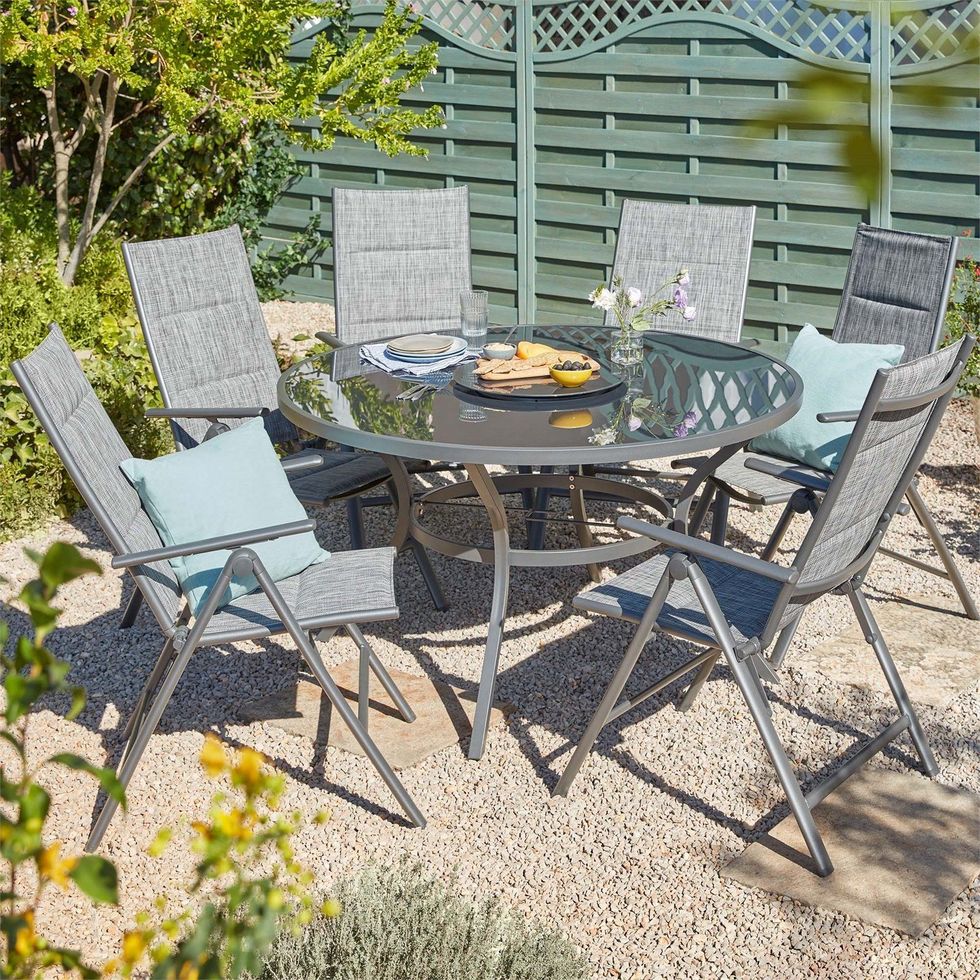
Homebase Misali 6 Seater Garden Dining Set
Rule of six gathering, anyone?

Gablemere Rochester Hardwood Grey Sofa Set
How chic is this? International travel is still off the cards for now, but sitting on this glamorous sofa set in your garden might be the next best thing.

EMU Arc En Ciel Steel Bistro Set
A classic little bistro set, perfect for popping on your balcony for al fresco breakfasts in the sun.

Made Lyra Garden Hanging Chair
We can just see ourselves curled up in this chair reading a book.

Made Yuri Garden Bench
Made has a range of bright and beautiful garden furniture this season – we love the contrasting greens and pinks of this modern bench.

Made Topa Garden Corner Lounge Unit
Your patio is about to get a serious upgrade. There's plenty of space for the whole family here – plus ample room for everyone's drinks too.

Made Swara Garden Dining Set
Rattan furniture looks great, but the real deal isn't especially well suited to the great outdoors. This polyrattan option is a great alternative, so you don't have to compromise on the look you want.

Montenegro Outdoor 4-Piece Dining Set
This set wouldn't look out of place in your living room so, if you like a indoor/outdoor living feel, this would be a great choice.

Hectare Kennet Reclining Dining Set
Along with four (reclining) chairs and a table, this set also comes with a parasol, making it great value for money.

Rowlinson Garden Picnic Table
On a budget? You don't need to scrimp on space. Here's a classic picnic table, with plenty of room to sit around for Saturday barbecues.

Marks & Spencer Set of 2 Lois Garden Armchairs
Cheer up dreary outside spaces with this cheery set of chairs. There's plenty of matching furniture (in a selection of colours) in this range, so feel free to mix-and-match.

Marks & Spencer Capri Garden Sofa
This sofa is the perfect combination of rustic charm and modern styling.

Charles Bentley Extrusion Bar Dining Set
Create a real outdoor bar feel in your garden with this tall dining set. Now you just need an outdoor drinks cart and you're all set.

Charles Bentley Folding Metal Bistro Set
Here's another sweet bistro set – we love the pale green hue.

Time for sunbathing, anyone?

Dawsons Living Faux Rattan Bistro Set
Another great one for those who enjoy the rattan look.

Outsunny Outdoor Indoor Sectional Corner Sofa Set
This sofa set can be used indoors and outdoors, so it's a good one to deck out your conservatory with, we think.

Anthropologie Vallarta Indoor/Outdoor Stool
Need something to brighten up your drab patio? Anthropologie is well known for its beautiful decorative designs and this gorgeous indoor/outdoor stool is no exception.

HomeimprovementGB Bamboo Garden Table Sett
Here's another garden furniture set that will help you recreate the feeling of being at a bar on a far-flung beach. Be quick if you're interested in this, though, there's only one available.

Garden Trading always has such sophisticated furniture pieces – we especially love this roomy anthracite grey bench set for six. There's a two-seater version, as well.

Barker & Stonehouse Valencia garden suite
Remember having guests? Soon enough, we can have everyone piled around the table for summer barbecues. This huge, cosy set will ensure there's enough seating for everyone for your first big bash after lockdown.

Barker & Stonehouse Willow hanging chair
Another cosy hanging chair – this one is very bohemian.

A splash of yellow just makes any space a bit more inviting. This is a great price for two outdoor tables, too.

Habitat Trough 2 Seater Bistro Set
This bistro set has a trough at the end to keep your drinks cold while you relax. Very handy.

EuroPalletFurniture Pallet Sofa
Using pallets as furniture is an low cost, low environmental impact way to ensure there's plenty of seating in your garden. It looks striking, as well.

AlchemyVibesForYou 2 Person Macrame Hammock
We're pretty sure we can find our zen lying in this hammock – even during a global pandemic.

Perch & Parrow Karina Rattan Lounge Chair
For long evenings spent relaxing outside, you need a lounge chair. Paired with a bright, textured cushion, this natural rattan number would look great sitting on your decking or patio.
Lisa Joyner is the Deputy Daily Editor at House Beautiful UK and Country Living UK, where she's busy writing about home and interiors, gardening, dog breeds, pets, health and wellbeing, countryside news, small space inspiration, and the hottest properties on the market. Previously, she has written for Conde Nast Traveller, House & Garden and Marie Claire magazine. Lisa studied at University For The Creative Arts, where she completed a BA in Fashion Journalism.


