
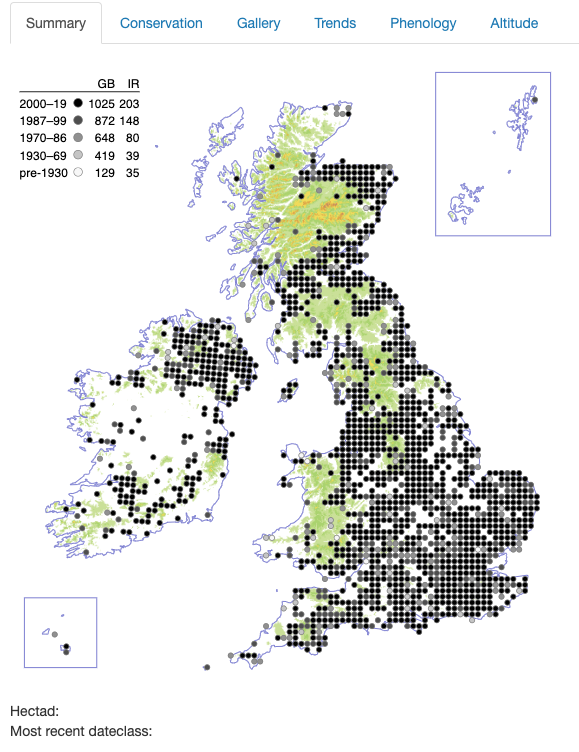
An interactive map shows the giant hogweed hotspots across the UK. The invasive species — known as 'Britain's most dangerous plant' — is prevalent at this time of year, and can cause blistering burns.
While giant hogweed usually grows near waterways, experts have explained they are losing a battle to eradicate its presence, after homeowners have spotted the plant popping up in their parks and gardens. It might look harmless, but this invasive plant harbours toxic sap on its stems — and can be extremely dangerous when it comes into contact with bare skin.
In 2022, one Bolton-based primary school girl suffered second-degree burns after touching the plant while playing in a park. She suffered severe blistering on her hands and was admitted to hospital. Meanwhile, one man in Cornwall was left unable to walk after feeling like he was "on fire" after coming into contact with the plant.

"After that it was absolutely excruciating pain in my calf muscle; my skin was literally feeling like it was on fire," he previously told The Metro. "The best I could do was get myself to the toilet or the bathroom, I've spent a lot of time in bed, a lot of time sleeping. I can't stand even now for very long. Walking is getting a little easier."
With the weather warming up, experts have expressed new fears that giant hogweed will spread further. One Facebook post read: "Now is the season for 'Britain's most dangerous plant' and with the lovely weather forecast in a couple of weeks time, this stuff will thrive and spread.
"Any parts of the body that come into contact with the sap of a giant hogweed should be immediately washed with soap and cold water and seek medical advice. Further exposure to sunlight should be avoided for at least 48 hours."

Guy Barter, chief horticulturist at the Royal Horticultural Society (RHS), previously told The Times that flooding has meant the plant's seeds have spread to previously untouched areas.
He also warned people to take extra care if they have spotted it growing: "It can cause some very nasty injuries which take a long time to heal. The beast has purple blotches and coarse hairs on its stems. In most places where you see it in summer, it is enormous.
"It's a very pretty plant but I would strongly advise anyone not to grow it. It can cause some very nasty injuries which take a long time to heal."
Giant hogweed was first introduced to the UK in the 1980s as an ornamental plant, but quickly spread across the country. It is also very invasive, over-powering other flowers in the same area and reducing wildlife, too.
Where does giant hogweed grow?
Giant hogweed is mainly naturalised along rivers and streamsides but also found in derelict gardens, woodland clearings, neglected urban places, waste ground, refuse tips, roadsides, abandoned pastures and arable field margins. It spreads prolifically by seed, often being transported by water.


What happens if you touch the plant?
It's a flowering plant in the same family as carrots. Giant hogweed typically grows to a height of around two to five metres. Serious reactions to the skin are caused by 'furocoumarin derivatives' in its stems, leaves, roots and seeds.
It can lead to skin inflammation and blisters, with a reaction to the plant happening around 15 minutes after first coming into contact with it.
Children should take extra care, especially when playing outside in overgrown areas. It can easily be mistaken as a harmless plant, so young children can unknowingly pick the flowering heads without realising.


More serious cases include people having long-term sensitivity to sunlight after touching the plant, as well as blindness if it comes into contact with the eyes.
As well as growing wild in the countryside, it is also known to flower in gardens if they are left unkept. Keep an eye open when out on walks to ensure young children and dogs don't come into contact with the plant.
How do you treat hogweed burns?
According to First Aid Training Cooperative, below is how you treat a hogweed burn:
- Wash the affected area with cold water as soon as possible
- Keep away from sunlight
- See a physician or local doctor if you have a serious reaction or any questions
How to tell the difference between hogweed and giant hogweed
The leaves of common hogweed are less jagged and more rounded than giant hogweed — the latter's leaves are also usually dark green, spiky and hairless in appearance.
Giant hogweed also tends to be found on river banks and alongside canals — although, not exclusively.
Best patio heaters for spring evenings in the garden
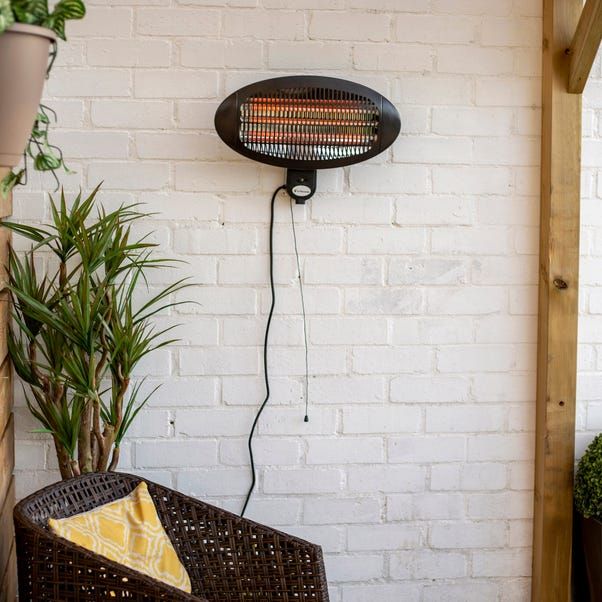
Dunelm Electric Wall Mounted Patio Heater
Wall-mounted patio heaters preserve precious space while keeping your guests toasty during al fresco gatherings. This wallet-friendly pick from Dunelm has three heat settings up to 2,000W, and comes with a wall bracket for easy installation. For the price you pay, we think it’s a steal.

Looking for a sleek and stylish patio heater? Well, look no further than Tower's impressive oscillating design. IP65 weatherproof approved, it has nine heating levels and allows you to keep track of your power and heating selection thanks to the smart digital display. Plus, it comes with a remote control, too.


Available in black or silver, this powerful wall-mounted heater is a high-quality solution for heating small outdoor spaces such as yards and patios. It features a timer, remote control and an impressive weather-resistance rating of IP65.

Outsunny 11.2kw Pyramid Gas Patio Heater
This patio heater is a real investment in finer outdoor entertaining. We love the pyramidal shape, and your back will appreciate the wheels that have been included for no-lift movement. A gas hose and regulator are included – but you’ll need to provide your own propane.

Gather around this rotating, table-top heater for cosier get-togethers with your guests. Powered by mains electricity, the Mojo has two heat settings: 350kW and 700kW. There are also three directional settings, to share warmth evenly around the table. We like the carry handle, too.

A high-performing option to warm up your evenings, this nicely presented Swan patio heater uses a carbon fibre heating element that gives off plenty of heat while using electricity at a reasonable 1,800W. The heater can be mounted on either a wall or ceiling, and comes with a remote control.

Kettler Kalos Plush Electric Overhang Heater
Embrace outdoor living with this floor standing patio heater. The arched stand design and suspended lampshade cover wouldn't look out of place in your living room. In fact, it’s a quietly robust outdoor heater, featuring a variety of heat settings, remote control operability and handy casters on the base.

Another stylish choice, which also just happens to save space thanks to its built-in table top, this great pick from Outsunny is ideal for keeping snacks and drinks nearby while you relax outdoors. So, if you're looking to hide the often rather unsightly gas bottle, this is the patio heater for you.
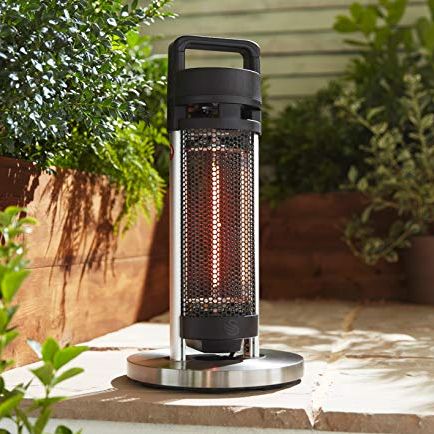
Swan Portable Patio Heater
Bring warmth anywhere your power supply will reach with Swan's super-portable patio heater. It features an automatic turn-off safeguard, a wide, stable base, and a convenient carry handle allowing the heater to move with the flow of the evening. This heater gets top marks for efficiency too, thanks to its carbon fibre heating element.

Suitable for both indoor and outdoor use, this ceiling mounted patio heater can be installed in the living room, garden, balcony, or outdoor terrace. We really like its flared ceiling lamp style.

This easy-mounting parasol heater attaches to your parasol’s pole, and beams down warmth and light to seated guests below. The quartz heating elements inside make efficient use of electricity, warming up nearby people and objects, rather than the air. Please note that the heater is compatible with parasol poles up to a diameter of 7cm, so this isn’t the right option to use with a really chunky parasol.

With a touch sensor switch and remote control, this polished table top heater from Argos adds an elegant touch to any outdoor dining setup.
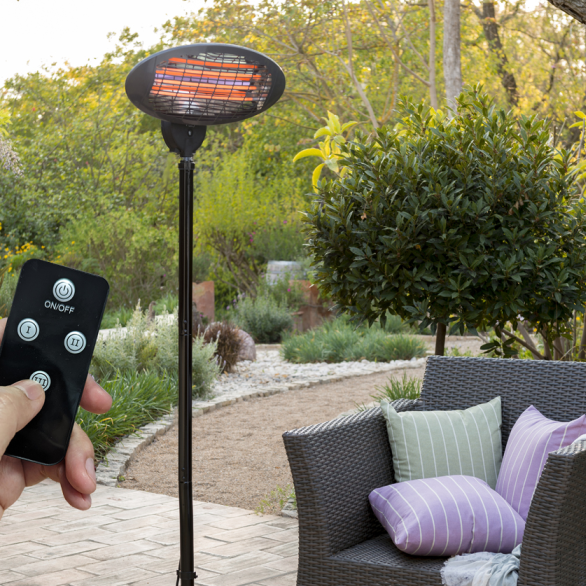
Heatlab Freestanding Electric Quartz Bulb Patio Heater
Simple, effective and very reasonably priced, Heatlab’s freestanding patio heater is a fast route to warming up your outdoor space. It comes with a remote so you can easily adjust the heat without leaving your spot on your garden sofa. The IPX4 rating guarantees some resistance to light rain, so you’ll have time to act in the event of any summer showers.
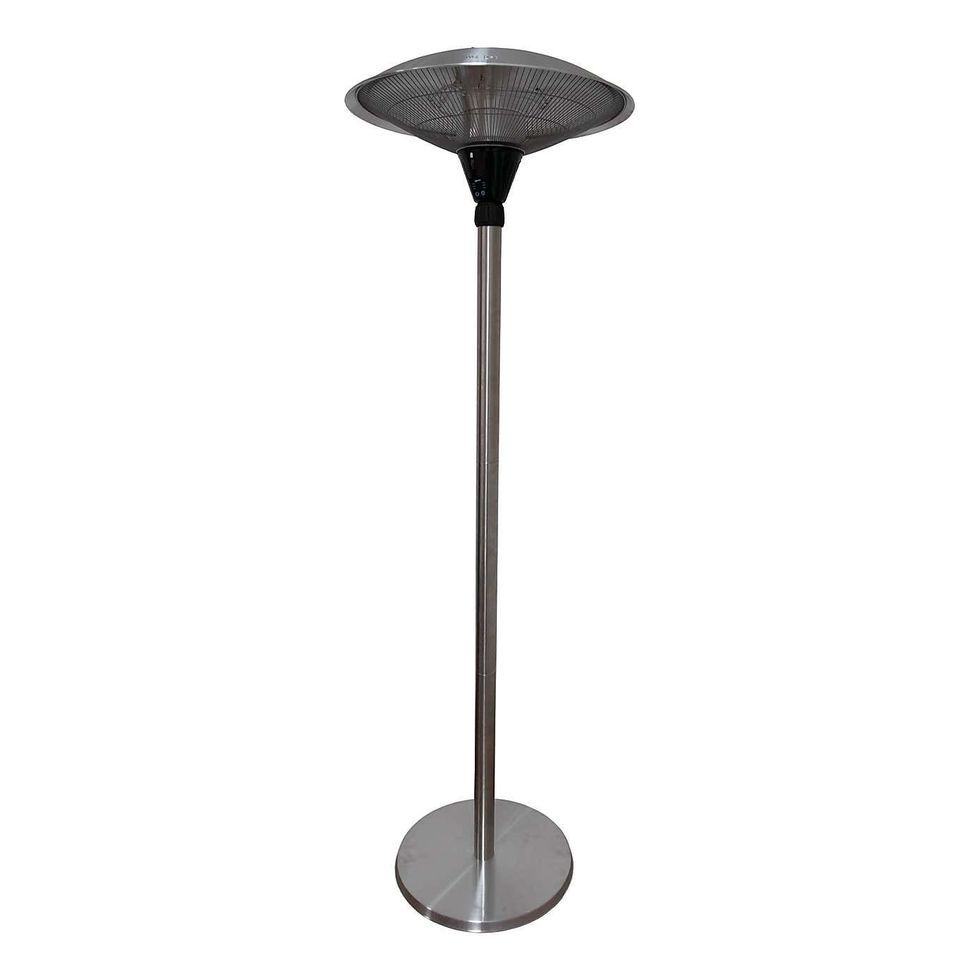
Igenix Stainless Steel Portable Outdoor Patio Heater
Igenix's height-adjustable, remote-controlled patio heater offers 360° heat distribution making it a focal point for outdoor entertaining. It comes with a waterproof cover that can easily be slipped on to protect the heater during the unpredictable British summertime weather.

Providing targeted heat instantly thanks to its low frequency waves, this stainless steel patio heater is a great all-rounder. It can be used to add warmth to your patio, or within marquees, gazebos, conservatories, or under awnings. The clear halogen heating elements impart an unobtrusive glow to the space, as well.
Lisa Joyner is the Deputy Daily Editor at House Beautiful UK and Country Living UK, where she's busy writing about home and interiors, gardening, dog breeds, pets, health and wellbeing, countryside news, small space inspiration, and the hottest properties on the market. Previously, she has written for Conde Nast Traveller, House & Garden and Marie Claire magazine. Lisa studied at University For The Creative Arts, where she completed a BA in Fashion Journalism.


