 By
By 
Non stop barking, excessive lead length, microchips and worrying cattle – with over 20 pieces of legislation applying to dog ownership in Britain, knowing the rules could prevent you and your four-legged friend from living on the wrong side of the law. As a UK county issues a ban on walking more than six dogs at once, we explore the rules that could put you and Fido in the dog house...
Non stop barking
Yappy dog owners be warned: barking can be classed as a 'statutory nuisance', meaning that if it persists for a long period of time, your local authority is entitled to intervene – and owners could be issued a fine. Indeed, last month one owner was fined £2,000 after allowing her pet to breach dog noise rules 26 times, with a neighbour describing the noise as "unbearable".
Excessive lead length
Keeping your dog on a tight lead is now a legal requirement in certain areas. The rules vary county by county, but many have issued Public Spaces Protection Orders insisting that dogs be walked on leads in nature reserves, beaches and promenades (check your local council's website for the rules where you are). Regardless of place-specific rules, The Highway Code states that dogs should be kept on short leads along pathways shared with cyclists and horse riders, as well as along roads. Dogs must also be kept on leads in children's play areas, sports pitches, roads and parks.


Too many dogs
Several areas have introduced limits to the number of dogs that can be walked at one time. In many London boroughs, it's capped at four, while in North Somerset, a new local law prohibits people from walking more than six at a time. Under the new ruling, anyone walking seven or more dogs in a public space could be issued a warning, or face a fine. This comes after attacks in the area reportedly rose from 385 in 2020 to 480 in 2023.
Electric shock collars
Delivering a bolt of electric to a dog's neck, these controversial collars are often used as a training tool. However, The Kennel Club is seeking to ban the sale of them, believing they are cruel and unnecessary. While still legal to use in the UK and Scotland, in Wales, electric shock collars have been banned since 2010 – and pet owners found in breach of this law could be issued a fine – or prison sentence.
Worrying livestock
Dog attacks on livestock cost farmers more than a million pounds a year – not to mention taking a heavy emotional toll. During one particularly gruelling attack in Wrexham in March, two escaped pets killed 22 pregnant sheep. But the event was far from unique – with livestock attacks up 50% according to the National Farmers Union. Farmers are entitled to shoot dogs if they believe are worrying their livestock, so knowing the rules can help keep your four-legged friend – and any nearby farm animals – safe. The recent Kept Animals Bill aimed to crack down on "livestock worrying" – attacking or chasing farm animals, with a fine of up to £1,000. More so, under the Countryside and Rights of Way Act 2000,dogs must be kept on a lead no more than two metres long at all times around livestock.
What to Read Next


No spare poo bags
Picking up after your pooch has been enshrined in law since The Dogs (Fouling of Land) Act in 1996, which made it a crime not to pick up your pet's faeces in a public space. Phew. Still, some owners seem intent on disobeying, so in a bid to stamp out dog mess once and for all, several counties have made it a crime to go for walkies without spare "waste disposal" bags to hand. In counties including Northamptonshire and Lincolnshire, anyone walking a dog without carrying multiple bags can face a £100 fine. Meanwhile, in Manchester, there has been talk of increasing the fine to £1,000 for the same offence. The Dog Fouling Act of 2016 places responsibility on "the person in charge of the dog", rather than the owner, which means that even if you are walking a friend's dog, you could still be liable for a fine.
Dangerous driving
To avoid your dog distracting you while you drive, The Highway Code asserts that they must be "suitably restrained" while in a car. A seat belt harness, pet carrier, dog cage or dog guard are all suitable ways of doing this. While there is no direct penalty for breaking this rule, you could still be pulled over for "driving without due care and attention" and issued points on your licence.
No microchip
Alongside wearing a collar and tag, dogs and puppies over eight weeks old must be microchipped by law, with the owner’s details registered on an authorised database. Compulsory since 2016, owners are required to keep pets’ details up to date if they move house. Not doing so can result in a fine. As a result, dangerous dogs can be tracked down – and any lost pooches can be quickly reunited with their (now fully informed) owners.
The best dog-friendly cottages in the UK
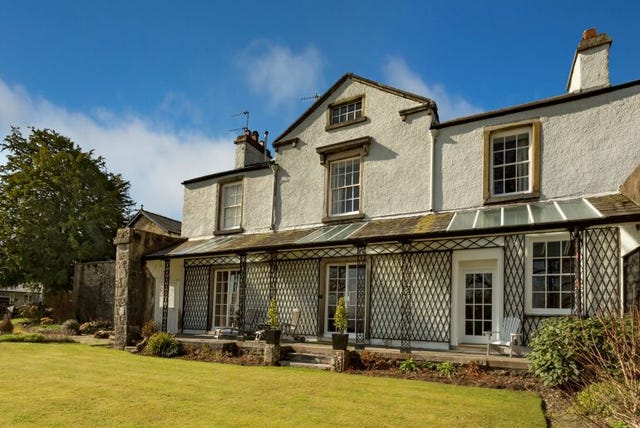
1 Woodheads, Lake District
A magnificent first floor apartment, 1 Woodheads, sits nine miles from Lake Windermere and is part of a Regency-style villa with views out towards Morecambe Bay and the distant Pennines. Here, you're only half a mile from a year-round dog-friendly beach - imagine your beloved pet bounding across stretches of sand, as well as through nearby forest glens.
Back at your luxury dog-friendly cottage, period features are combined with elegant style to create a visual feast. You can serve up summery salads in the super-smart dining room or in the garden. On balmy evenings, with the veranda doors all opened wide, tease out some tunes on the piano, inspired by an aperitif and the wondrous views.
Sleeps: 4
Dogs allowed: 1
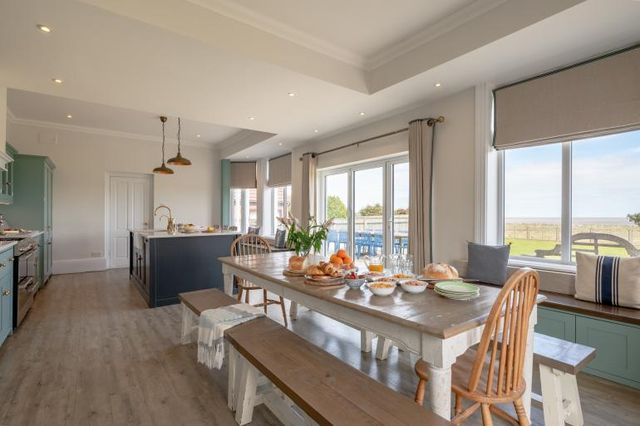
Beach House, Suffolk
This large Victorian house is perfect for those looking to gather a big group of friends or generations of family in serious style – not forgetting space for three dogs. There are gorgeous sea views from the open-plan kitchen, a cosy living room with a wood burner and a games room in the basement, complete with home cinema system, pool table and piano for endless entertainment. There are also four floors of restful rooms to keep everyone happy.
While it is hard to leave this comforting dog-friendly cottage cocoon, there’s also direct beach access to Kessingland’s long, unspoilt beach. This is the ideal spot to let the dogs run around on from morning to night. For a trip further afield, there’s the charming seaside towns of Southwold and Lowestoft.
Sleeps: 15
Dogs allowed: 3
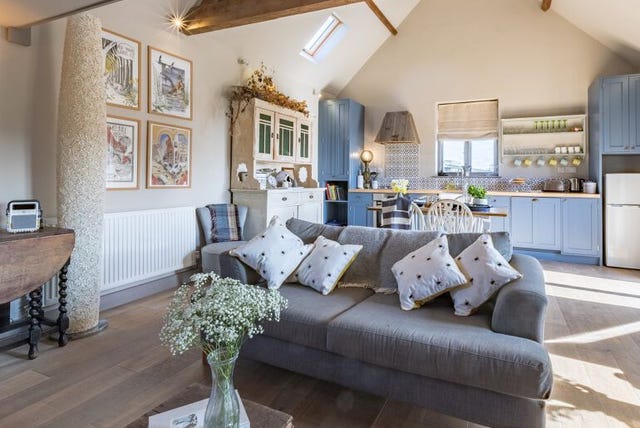
Tenbury Cottage, Shropshire
Situated deep in rolling South Shropshire countryside, with a wealth of walks direct from the door, plus 12 acres of lush farmland to explore, Tedbury Cottage is perfect for a dog-friendly escape. The Clee Hills and Mortimer Forest are both within easy reach, too, and when you're not out exploring the cosy interiors provide the lovely place to relax.
The interior design of this open-plan house is tasteful, with neutral and pastel colours dominating the palette. You can make the most of the separate stables, which house a rather unique bar with a fireplace. Simply bring your own beer, stoke up the wood-burner and test your skills at traditional darts. Dogs, physically fatigued from their rural adventures, can conk out in front of the fire.
Sleeps: 4
Dogs allowed: 2
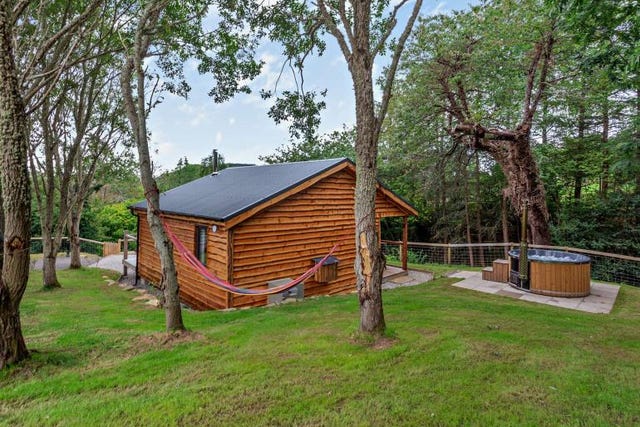
Cascade Cabin, The Highlands
What could be more romantic than getting away from it all in a log cabin surrounded by the trees of the Scottish Highlands? In this idyllic setting in the Heights of Achterneed, you can relax in the wood-fired hot tub or cosy up in front of the wood burner at night. Even if it rains, you can enjoy the outdoors with a clever covered egg chair on the scenic porch.
Like most dog-friendly cottages in the country, this woodland retreat is a paradise for furry friends, with plenty of walks on the doorstep. The kitchen is well-equipped for cooking up hearty meals in the winter or light bites to be enjoyed alfresco in the enclosed garden in the summer months. A cosy bedroom provides the perfect place to rest your head after a day of exploring.
Sleeps: 2
Dogs allowed: 1

The Scandinavian Lodge, North Yorkshire
This rustic, Scandinavian-designed dog-friendly cottages is set in beautiful grounds in North Yorkshire. Between the lodge's painted exterior, its sky-blue-sparkling hot tub and the vibrancy of its interiors, seasonal dreariness doesn’t stand a chance.
The open-plan living space is characterful and will delight children of all ages (as will the Smart TV with Sky). There’s a hammock on the first floor veranda, and it’s a great spot to swing and take in the view. Four-legged friends have their own space in the ‘Doghouse’ and walks across the North York Moors are a must-do.
Sleeps: 8
Dogs allowed: 2
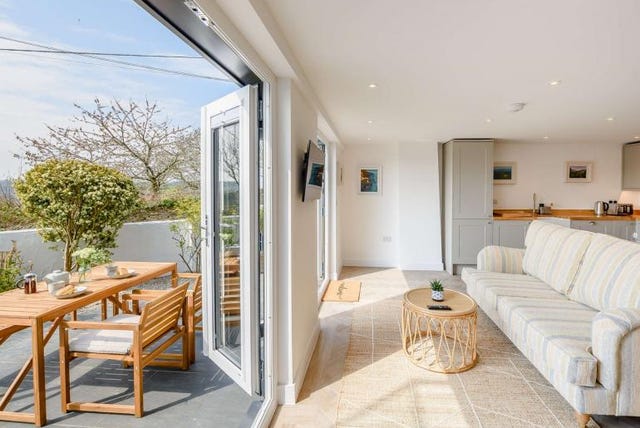
The Chapel, Devon
Everything about this airy, light-flooded, dog-friendly cottage is deeply comforting, with an open-plan living area, sumptuous sofa and super-king-size bed for a blissful night’s sleep. Throwing open the large patio doors (which lead to a private garden and dining area) is another highlight here.
The location is yet another draw; it’s set in a pretty Devon village close to Lea Bay and surrounded by beautiful countryside and woodland to explore with your dog. Walking enthusiasts will also love that the South West Coastal Path is on the doorstep.
Sleeps: 2
Dogs allowed: 1
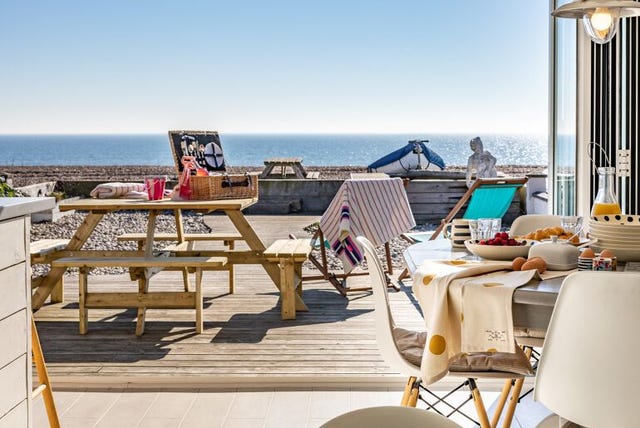
Pevensey Bay Beach Retreat, Sussex
Pevensey Bay Beach Retreat is a fantastic holiday home, right on the beach in East Sussex, that cleverly blends contemporary living with seaside charm.
Panoramic sea views through the bi-fold doors, coupled with colourful accessories, hand-selected from Joules. Within walking distance is the village of Pevensey with its striking castle, now an English Heritage site.
Sleeps: 8
Dogs allowed: 1
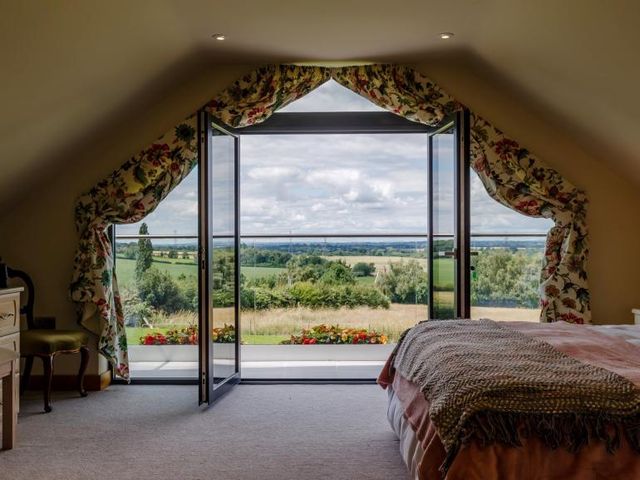
Highfields, Derbyshire
It’s all too easy to imagine waking up in this spacious cottage and gazing out across the verdant, unspoilt Derbyshire countryside. The walks here are about as scenic as they get, with the National Forest just 10 miles away. For those looking for slightly higher octane thrills, Alton Towers theme park is also within easy reach.
The style of this property melds contemporary clean lines and classic interiors, so expect a large, open-plan kitchen-diner and living space, a chic breakfast bar and lots of cosy tartan and prints throughout. The garage houses a full-size table tennis table plus two sofas for spectators (or those waiting their turn). A haven for the whole family – and the dog, of course.
Sleeps: 6
Dogs allowed: 1
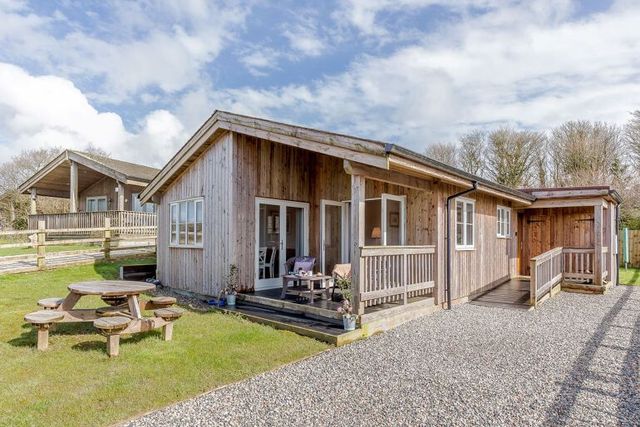
Bluebell Lodge, Cornwall
Just six miles from Padstow’s charming fishing harbour, Bluebell Lodge is a chic, eco-friendly dog-friendly lodge in a beautiful location. They can chase waves and sticks at one of the many fantastic sandy spots dotted along the north Cornish coastline, with Constantine Bay, Fistral Beach, Mawgan Porth Beach and Polzeath all within easy reach.
Back at base, dogs can enjoy the open-plan living space and garden while you fire up the BBQ and dine beneath the Cornish sky. Tranquil and trendy, the three bedrooms are tastefully decorated, and the family bathroom has a shower over the bath for hounds in need of a hose down.
Sleeps: 6
Dogs allowed: 2
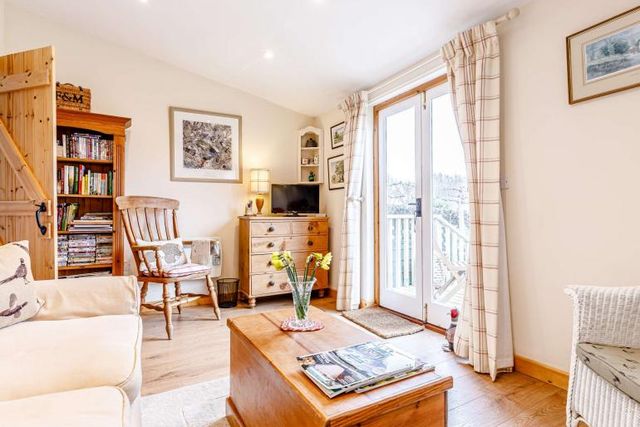
Hoglets, the Cotswolds
Nothing short of charming, this dog-friendly cottage-meets-barn in the Cotswolds is the perfect cosy little bolthole for couples with a four-legged friend in tow. It’s located in the grounds of Overbury Estate, a part-family-owned agricultural estate that covers more than 1,500 hectares – so you can explore miles of unspoilt farmland full of footpaths and bridleways. This is all set in the small, peaceful hamlet of Conderton, which features a picturesque combination of honey-hued stone and thatched roofs.
Inside, traditional touches create a homely atmosphere, with a traditional bench, exposed beams, and an open-plan kitchen-dining-lounging space with French doors to let the light flood in. The bedroom has lovely garden views – and a king-size bed from which to drink them in.
Sleeps: 2
Dogs allowed: 1
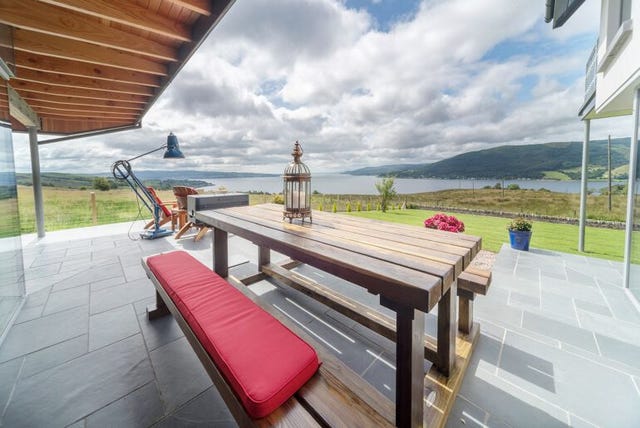
Knockderry Lodge, Argyll and Bute
This impressive, architect-designed lodge overlooking Loch Long in beautiful Argyllshire is a truly five-star stay for those seeking the ultimate in comfort and luxury. Situated in an elevated position close to the village of Cove, the dog-friendly cottage is ideally located for enjoying water sports on Loch Long and Gare Loch, with opportunities for sailing, kayaking, windsurfing and more nearby.
The lodge has a slate deck running around the outside of the property with luxurious loungers, a funky picnic table for alfresco meals and a luxurious hot tub, where you can relax with a glass of something chilled and admire the view across the lawn down to the twinkling loch.
Sleeps: 4
Dogs allowed: 1
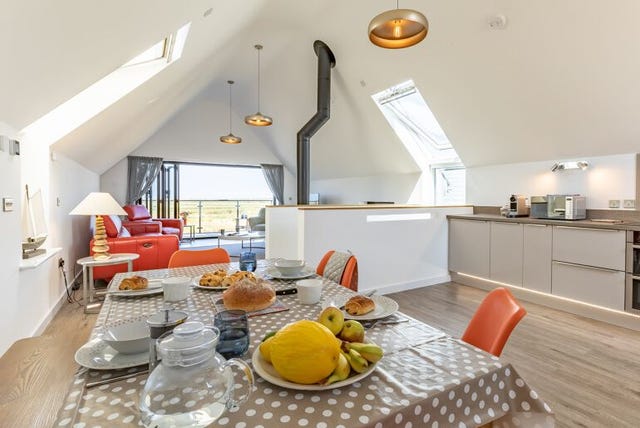
No.36 By The Beach, Devon
No.36 By The Beach is a contemporary beach house with plenty of space for everyone to spread out. Standing next to the Royal North Devon golf course and on the edge of the lively coastal village of Westward Ho! (blessed with a three-mile stretch of golden sand), the dog-friendly cottage offers wonderful views of the North Devon coastline both from the enclosed garden and from the full-width balcony.
Flourishes of Joules’ vibrant homeware complement the pad’s elegant interiors, from hand-picked dinnerware to luxurious bed linen. The cottage is reverse level: upstairs is the sleek kitchen/ dining/living area with a wood-burner and bi-fold doors onto the spacious first-floor balcony. The four bedrooms are at ground level, including a bunk bedroom to add to the holiday fun for children.
Sleeps: 8
Dogs allowed: 2
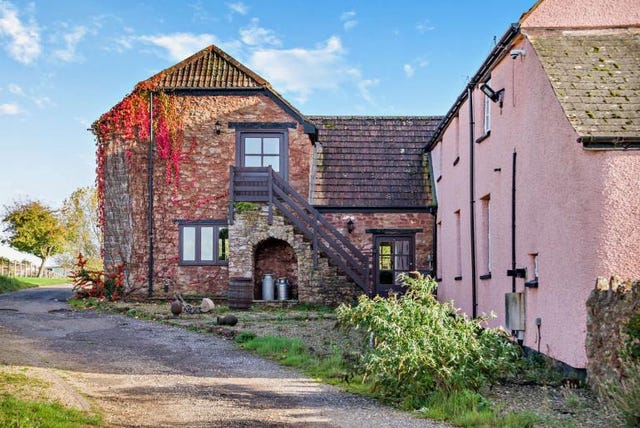
Cider House, Somerset
In this stunning detached converted cider house, you can expect inspiring interiors, beautiful countryside views – and space for as many dogs as people. The enclosed garden is the perfect spot for all to unwind in, while chickens and lambs grazing nearby add a sense of bucolic bliss to this Somerset spot, which stretches across nine tranquil acres. For a full Famous Five experience, there’s even apple pressing on offer in the autumn months.
The open-plan kitchen-dining-living area is framed with charming exposed beams, with plenty of space for everyone to relax, watch television or curl up with a book. The kitchen is very well-stocked, with fresh herbs growing on the windowsill and a utility cupboard for any laundry needs. Upstairs, two bedrooms complete the immaculate lodgings (the second can be made into a twin upon request).
Sleeps: 4
Dogs allowed: 4
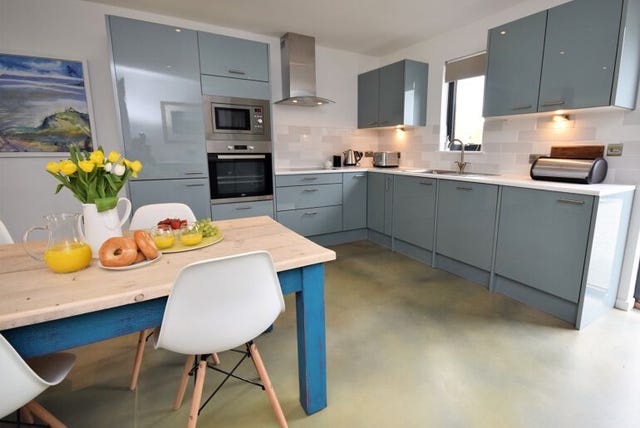
Ochre, Devon
In a great location for you to explore both Devon and Cornwall, this contemporary dog-friendly cottages is set within a beautiful garden, too. With miles of rolling countryside views and a plunge pool less than 50 yards from the front door, it’s an excellent spot for couples or a family, plus their furry friends.
There’s glorious walking along the South West Coast Path and the equally popular Tarka Trail, plus Exmoor and Dartmoor to explore. Art lessons are available on-site for those wishing to enjoy a creative holiday.
Sleeps: 4
Dogs allowed: 3
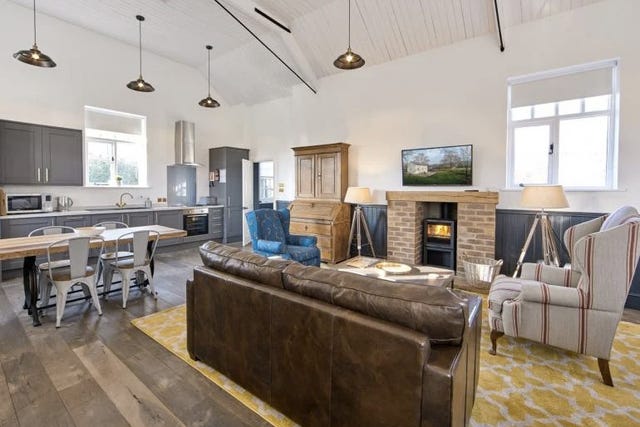
The Old Tin School, North Yorkshire
This open-plan studio-style space in the heart of Yorkshire moorland is a romantic sanctuary for couples travelling with their dogs. High ceilings and large windows make it bright and airy, while industrial-style touches mixed with more traditional pieces create a warm and cosy contemporary feel.
You can do as much or as little at this dog-friendly cottage: spend lazy mornings in the wrought iron bed, go on scenic walks, including the Cleveland Way National Trail, and snuggle up in front of the wood burner with the pups snoozing at your feet.
Sleeps: 2
Dogs allowed: 2
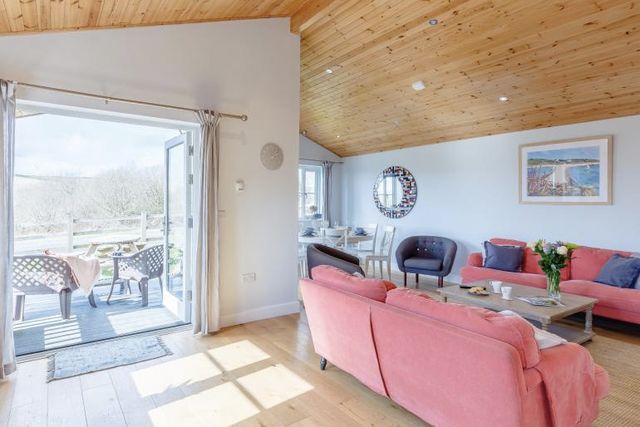
Tawny Owl, Cornwall
Just six miles from Padstow’s charming fishing harbour, Tawny Owl is a chic, eco-friendly lodge in a beautiful location. The dogs can chase waves and sticks at one of many sandy spots dotted along the north Cornish coastline. Constantine Bay, Fistral Beach, Mawgan Porth Beach and Polzeath are all within easy reach, as is the impossibly pretty Port Isaac.
Back at base, everyone will love the open-plan living space and garden while you fire up the BBQ and dine beneath the Cornish sky. Tranquil and trendy, the three bedrooms are stylishly decorated, and the family bathroom has a shower over the bath for hounds in need of a hose down.
Sleeps: 6
Dogs allowed: 2
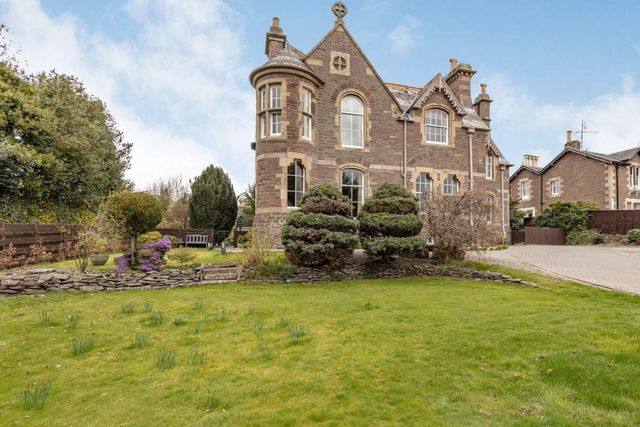
The Turret at Inchglas, Perth and Kinross
A Victorian Gothic revival mansion with plenty of period features including turret and exposed stone walls, this dog-friendly cottage in Scotland is a delight. It's set amid landscaped gardens close to the heart of bustling Crieff. The town offers a splendid range of boutique and independent shops and quality eateries, while the magnificent Drummond Castle Gardens are nearby.
Inside, there is a large feature fireplace with beautiful, exposed stone walls and an electric wood burner for cosy nights in. There is a quirky, turret walk-in wet room with a shower and toilet, as well as a cosy double bedroom.
Sleeps: 2
Dogs allowed: 1

The Hay House Retreat, Brecon Beacons
When it comes to dog-friendly cottages in the UK, it's hard to beat five acres of landscaped grounds for your four-legged friend to explore, with a magnificent 17th-century farmhouse at the centre of it all. This Welsh gem is located on the east side of the Golden Valley, which is a short drive from the start of the Black Mountains and Brecon Beacons with countless walks from the doorstep, including paths that overlook the lovely Wye Valley.
Great for larger groups, this wisteria-clad farmhouse is a rambling delight, with space for up to 18 adults and five children. As well as the main house, there's a detached stable block that's been converted into five guest suites. The communal areas are spacious and elegant, with a comfy main lounge area plus a more formal sitting room .
Sleeps: 18
Dogs allowed: 5

Lower Manor Lodge, Devon
Escape to a stunning lodge for six with 3.5 acres of scenic grounds and woodlands right on the doorstep – plus Areas of Outstanding Natural Beauty nearby, including Exmoor and Dartmoor National Parks. Though it's attached to the owner's home, this lodge has its own private parking and secluded garden, ensuring a high level of privacy throughout your stay.
There are three spacious bedrooms for six guests, plus a large bathroom for all to enjoy. The sitting area is the real heart of the property, with floor-to-ceiling windows, exposed beams and a wood burner (with logs included). There are also French doors leading to a lovely terrace with alfresco seating.
Sleeps: 6
Dogs allowed: 4
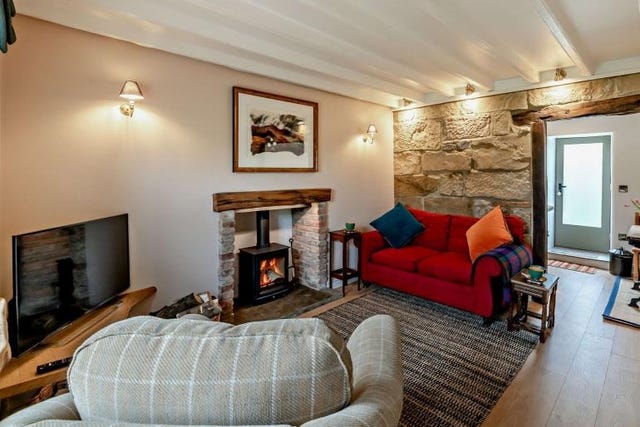
Duck Cottage, North Yorkshire
With exposed stone walls and beams, a wood burner and a charming ambience throughout, this cosy cottage is the perfect place for a couple or pair of friends – plus their canine companions, as this is a dog-friendly cottage – to escape to. It's tucked away in a pretty village in the Yorkshire Dales National Park, with plenty of walks and cycling trails on the doorstep, plus the spa town of Harrogate nearby if you fancy a day out.
The interiors are full of character, with original features and bespoke furnishings creating an elegant yet wonderfully comfortable setting. A full equipped kitchen and dining table set for two means this is perfect for intimate meals, while upstairs a king-size bedroom means there's plenty of space to relax and recharge.
Sleeps: 2
Dogs allowed: 2

The Moorings, Norfolk
This charming 19th-century dog-friendly cottage has been lovingly restored to give it an elegant modern update. This riverside property is located in the peaceful village of Reedham, which is full of charming pubs, tea rooms and shops, while also being conveniently located to allow you to explore all that the Norfolk coast has to offer. There are plenty of beaches to choose from, which are full of incredible flora and fauna.
Inside, there's a great kitchen that's full of light thanks to bi-fold doors that lead out into a private garden at the rear of the cottage. Upstairs, there's a welcoming master bedroom with beautiful views of the River Yare, plus a second bedroom with a raised double bed and an additional single to sleep up to three people.
Sleeps: 5
Dogs allowed: 2
More travel ideas:
- The best Isle of Wight hotels
- Where to stay in Pembrokeshire


