Saturday 3rd October was the wettest day in the UK since records began in 1981, with enough rain falling to exceed the capacity of Loch Ness, the Met Office has said.
The downpour came a day after Storm Alex, with an average of 31.7mm (1.25 inches) rain falling across the whole of the UK and beating the previous record of 29.8mm (1.17 inches) on 25th August 1986.
The start of the month has been very wet overall, with the UK seeing 68% of its average rainfall for October already. England has been the wettest, reaching 87% of its monthly average.
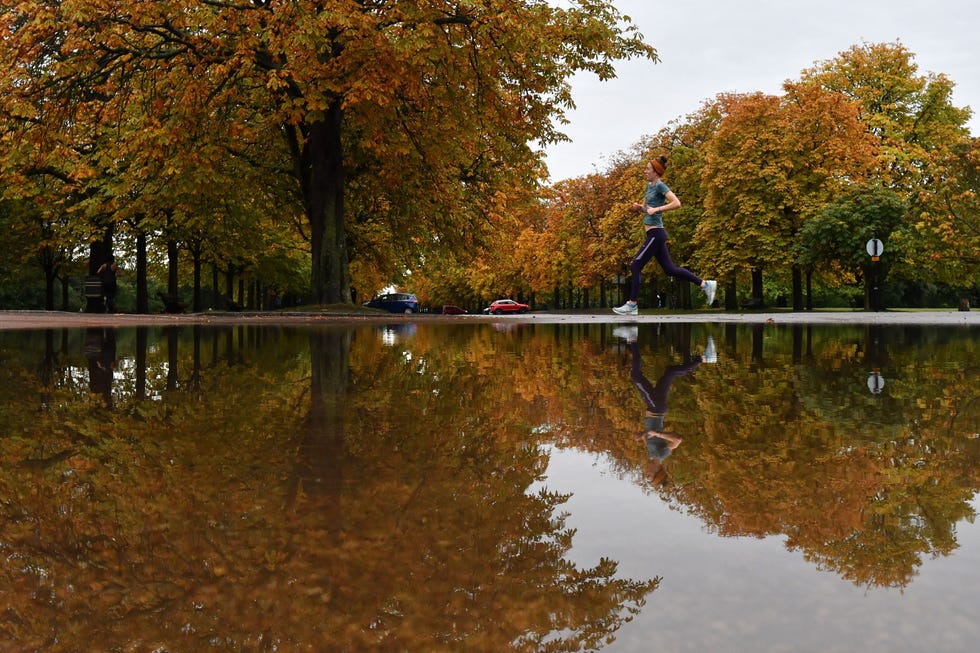

Dr Mark McCarthy, the head of the Met Office National Climate Information Centre, said: "In climate statistics, 2019 will be remembered for possessing the UK’s hottest day, whereas 2020 will be associated with rainfall records. Saturday 3 October – the day which followed Storm Alex – currently holds the record for the UK’s wettest day in a daily series stretching back to 1891 – that’s over 47,000 days.
"The rainfall was very widespread resulting in average rainfall across the entire UK of 31.7mm, or to put it another way, if expressed as the volume of rain that is more than the capacity of Loch Ness – the largest lake in the UK by volume at 7.4 cubic kilometres of water. It is exceptional to have 30 to 50mm or more of rain falling so extensively across the UK – from the south coast of England to the north coast of Scotland – in a single day."
Climate change is increasing the risk of more extreme weather, such as more intense heavy downpours, scientists warn.
What to Read Next
Grahame Madge, a climate spokesman for the Met Office, added: "The UK's rainfall record contains many extreme events but it is clear from the UK's climate projections that with warmer, wetter winters and hotter, drier summers we can expect increasingly more extreme rainfall records toward the end of the century.
"There is a simple relationship between a warmer atmosphere and an increased amount of moisture in the atmosphere – this again suggests that the UK is likely to witness increased rainfall and more record-breaking events."
The UK had a very dry and bright spring that saw May break the record for sunniest calendar month with 266 hours of sunshine.
Like this article? Sign up to our newsletter to get more articles like this delivered straight to your inbox.
9 best women's waterproof jackets

Mountain Warehouse Bracken Extreme Women's 3-in-1 Jacket
A year round, all-weather hero, Mountain Warehouse's jacket boasts a detachable inner lightweight jacket along with a waterproof outer. Both can be worn separately depending on the forecast, or layered up for particularly chilly, rainy days.

Peter Storm Weekend Jacket
Peter Storm's bestselling jacket is inspired by the sea with rope draw-cord toggles, deep pockets and a Breton liner. Also available in yellow and red, it's perfect for weekend walks.

Tretorn Women's Rain Jacket From The Sea
Building on its philosophy to create long-lasting products, Tretorn has followed suit with 'Eco Essentials' - a collection made up of recycled, bio-degradable or renewable, clothing and footwear - first launched in 2016. The brand aimed to add over half of its outerwear inventory to this range by 2020. Last year, with the release of its Autumn/Winter 2018 collection, the company announced that 80% of its coats and jackets were already in this category.
BUY NOW, £220
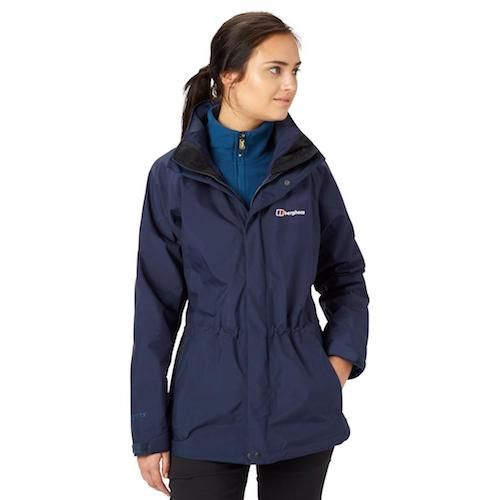
Berghaus Glissade III InterActive Jacket
If you spend a lot of time outdoors, then a Berghaus jacket will be a welcome addition to your wardrobe. The Glissade III is a modern update on a classic bestselling style with a double layer of GORE-TEX® membrane for incredible water protection and breathability.

Uniqlo Blocktech Hooded Coat
Uniqlo is a high street favourite for smart fabrics and stylish design at affordable prices. This hooded coat is great buy for outsmarting spring showers.

The North Face Stratos Jacket
With a hood, chin guard and velcro cuffs, this lightweight jacket will keep wind and rain out and the warmth in. Choose from five different colourways, including our favourite grey and yellow.

Rab Women's Downpour Plus Jacket
British brand Rab is the name to know when it comes to climbing and mountaineering. Their versatile Downpour Plus jacket is made from Pertex Shield, a durable and breathable all-weather fabric for ultimate comfort. There's also a helmet compatible hood which can be stored away when the sun comes out.

Seasalt Maenporth Jacket
Fully waterproof, windproof, breathable and Meghan Markle-approved, Cornish label Seasalt has a great range of waterproof coats. This one is lined in cosy fleece, and available up to a size 28.

The North Face Zaneck Parka Jacket
A practical parka that's fully waterproof is well worth the investment. The Zaneck is also boasts a fully insulated liner to keep you warm on even the coldest of winter days. Buy now, wear forever.

Naomi Gordon is news writer mainly covering entertainment news with a focus on celebrity interviews and television.