
Each month we will be shining a light on different dog breeds in our series, Dog Breed of the Month. Next up, we look at the high-spirited, sociable Cavalier King Charles Spaniel.
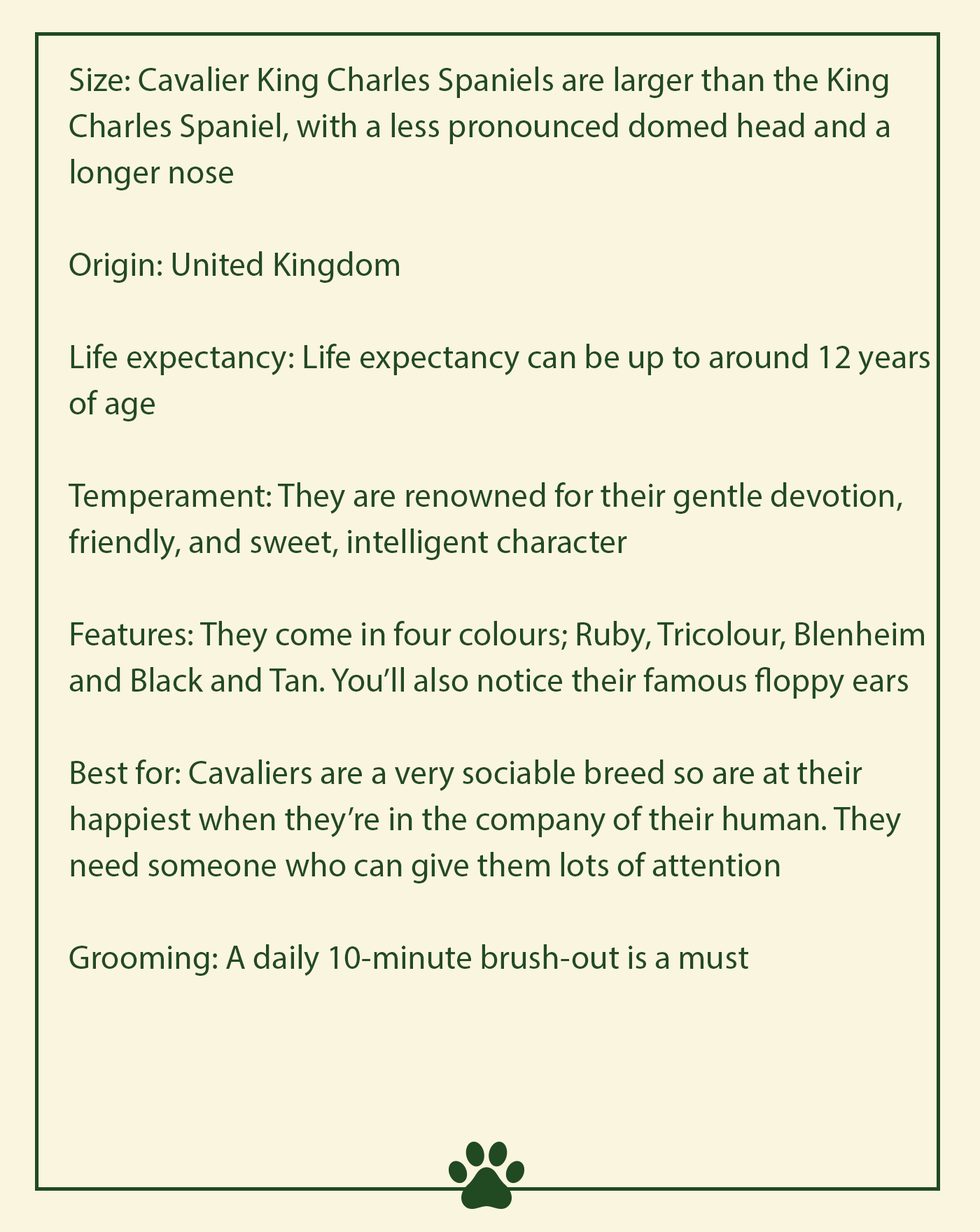
"Cavalier King Charles Spaniels are renowned for their gentle devotion, friendly, and sweet, intelligent character," PDSA Vet, Nina Downing, tells Country Living. "They generally fit in well with family life, but as for all dogs, socialisation is key to a happy and well-rounded pet, who can cope with situations confidently."

Keep reading for everything you need to know, including health issues, fun facts and how much exercise they need...
Where did the name Cavalier King Charles Spaniel come from?
"The King Charles Spaniel and Cavalier King Charles Spaniel were recognised as two separate breeds in 1945. The Kennel Club intended to name the King Charles Spaniel the Toy Spaniel, but King Edward VII wished to maintain the royal connection," PDSA Vet Nurse, Shauna Walsh, adds.
"They were a firm favourite with ladies at court as they kept their hands and feet warm when the weather was cold! In comparison to their cousin and fellow 'Royal Spaniel' – King Charles Spaniels have a shorter muzzle, a domed head, and tend to be smaller."
Do Cavalier King Charles Spaniels make good pets?
Cavalier King Charles Spaniels are very sociable dogs who are at their happiest when they're in the company of other pups and humans. According to the PDSA, they are known for forming strong bonds with their owners and follow them around like a shadow.
Nina continues: "Cavaliers love nothing more than curling up on their beloved owner’s lap, relaxed and happy to snooze the day away."
How popular are Cavalier King Charles Spaniels?
Shauna tells us: "Since the 1960s, the Cavalier King Charles Spaniel has grown in popularity leading to a decline in the number of the King Charles Spaniels. Recently, breeders have been working to improve the health and temperament of the King Charles, with great success."
The breed are known to be very loyal, sweet natured and thrive on human contact. "For those with King Charles Spaniel puppies (or any puppy!), it is important to start consistent, positive, reward-based training as early as possible to avoid them picking up any undesirable habits," explains Shauna.
How much exercise does a Cavalier King Charles Spaniel need?
These gorgeous pups thrive off human contact, so will love heading out on walks with their owners. Despite being known as lap dogs, they originated from sporting breeds and need plenty of exercise to keep them fit.
"Cavaliers live for their daily exercise, and will enjoy the chance to run and play – sniffing everything that comes their way with their keen sense of smell. They can sniff out anything of interest and if there's food around you can guarantee that a pretty Cavalier face will want to be part of the action," Nina says.
"Their love of food helps to mean that Cavaliers are great to train - they'll soon grasp what's being asked of them for a tasty reward."

What problems do Cavalier King Charles Spaniels have?
Sadly, Cavalier King Charles Spaniels have been bred for their characteristic looks, meaning that many suffer from health conditions that tragically affect their whole lives. According to the PDSA, nearly every Cavalier King Charles Spaniel owner past and present will be only too aware of the inherited heart problems that can very sadly, be life-threatening for so many.
Other issues these dogs have include:
- Painful symptoms of conditions called Syringomyelia (SM) and Chiari Malformation (CM), which can impact their lives from an early age, with affected dogs needing life-long medication to control the pain and symptoms. These conditions result from the shape of the head and skull, which cause the development of fluid-filled areas within the spinal.
- Cavaliers can also commonly suffer with eye problems, in many cases related to an inherited condition called 'curly coat' or 'dry eye' that affects skin, coat, nails and eyes and can cause a severe form of dry eye syndrome.
- Ear, teeth, and joint issues such as unstable kneecaps.
Nina explains: "Tragically the health problems that Cavaliers have to endure as a result of their breeding can be life-limiting, but for those that aren’t affected, if they manage to stay a healthy weight and remain active, life expectancy can be up to around 12 years of age."
Always head to your local vet if you are worried about your dog or need expert advice. There is currently ongoing testing and screening for some of the problems Cavalier King Charles Spaniels can have.

7 interesting facts about Cavalier King Charles Spaniels
- They are often referred to as lap dogs
- The Cavalier King Charles Spaniel was a favourite amongst royalty
- They are renowned for their gentle devotion, friendly, and sweet, intelligent character
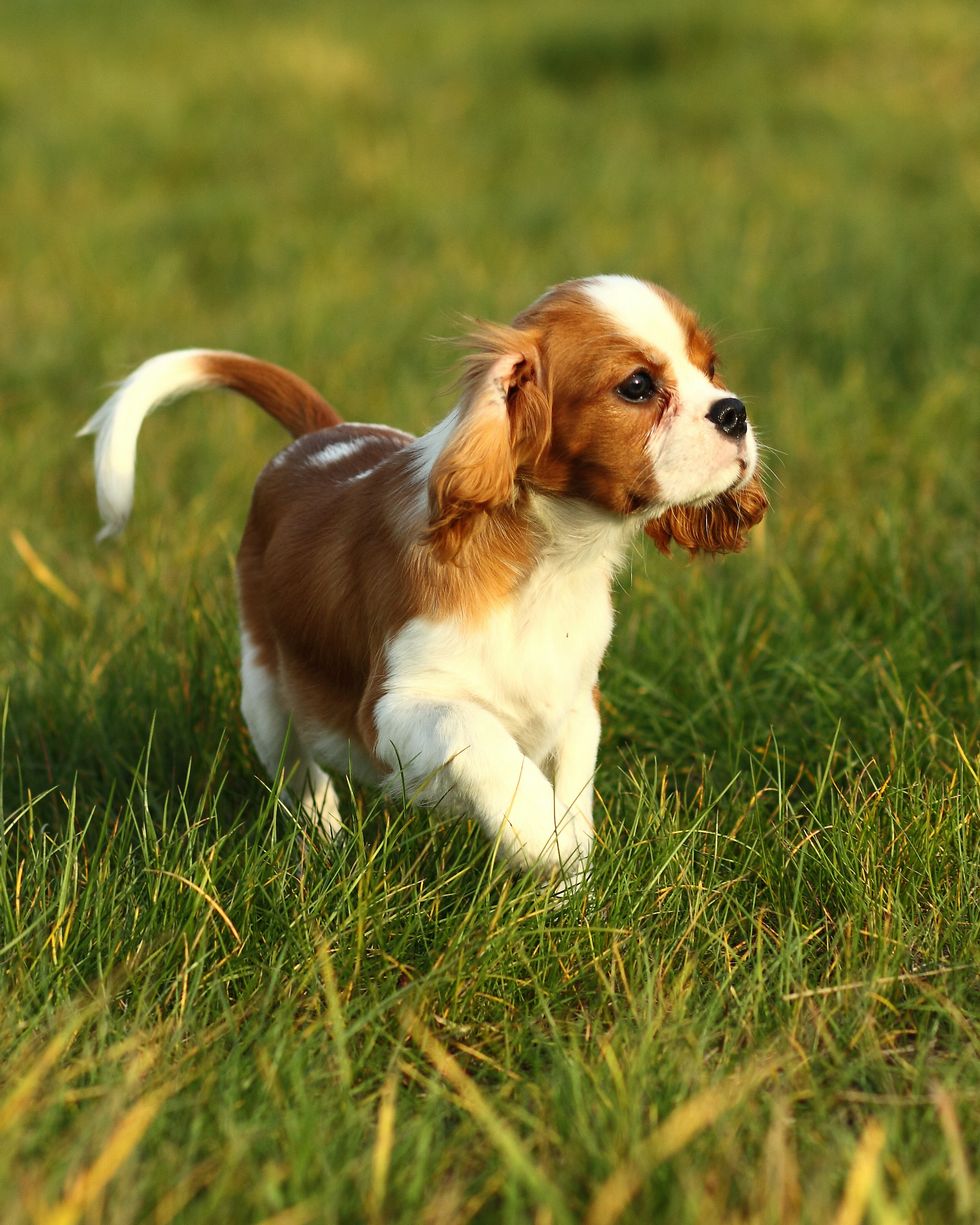
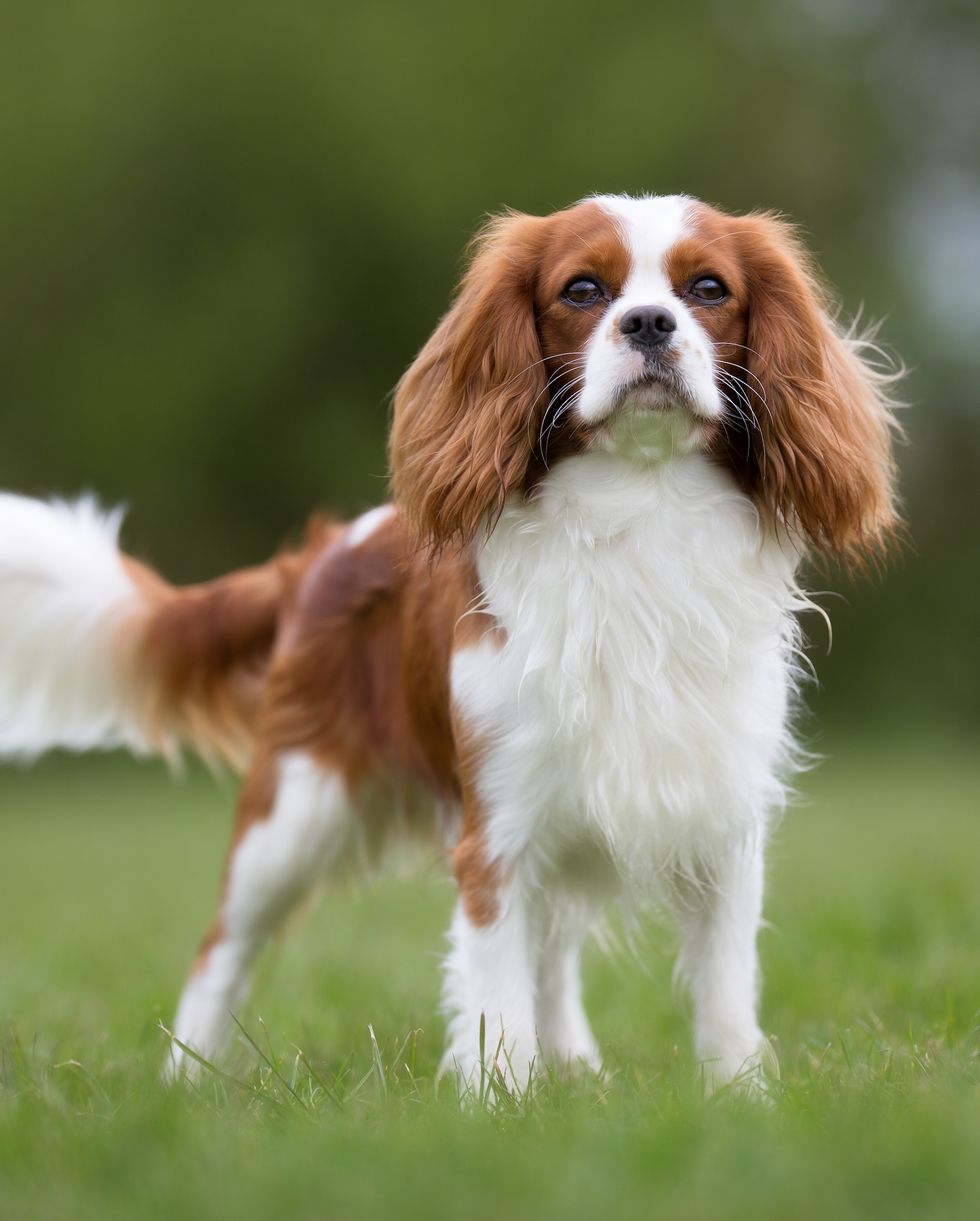
- They come in four colours; Ruby, Tricolour, Blenheim and Black and Tan
- These pups have a high-pitched bark because they originated from sporting dogs
- They can sniff out anything of interest
- Cavalier King Charles Spaniels love hiking or running on the beach
24 indestructible dog toys for aggressive chewers
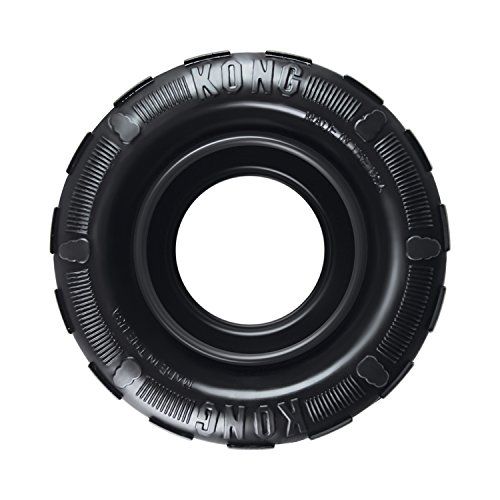
KONG Tires Durable Rubber Chew Toy and Treat Dispenser for Power Chewers
This tyre-shaped chew toy has been made from durable rubber, so it's perfect for determined chewers. It also gives owners the chance to fill the inside with tasty treats, too. Available in two sizes for you to choose the best for your breed.
READ MORE: 6 dog games great for training and bonding
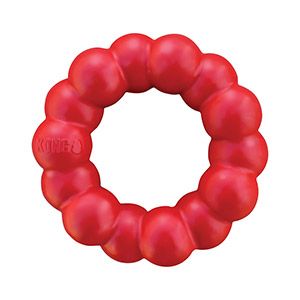
Built for durability, this bright red dog toy will offer your four-legged friend mental and physical stimulation. Starting from £9, it's a real steal buy.

Made from hemp and recycled cotton, this rope ring's tough fibres work to clean your pup's teeth while also being a whole lot of fun to play with.

Soft yet durable, this cute grey bear has minimal stuffing and an internal knotted rope skeleton.

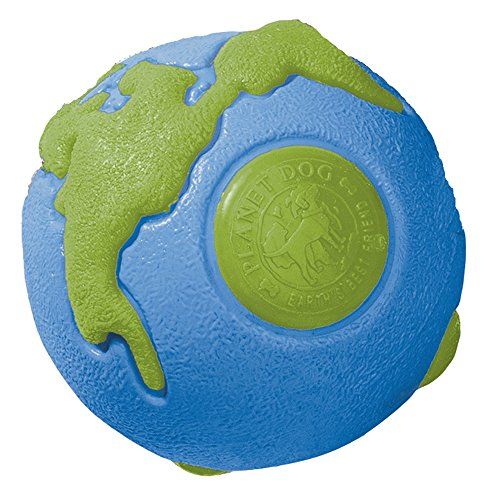
One of the toughest dog balls on the market, this sweet 'planet' design has been made with award-winning Orbee Tuff material. Certain to provide hours of fun...

Ideal for dogs who love to swim, this floating fabric toy has a handle and is designed with abrasion-resistant materials for increased durability. Make sure not to forget it on your next beach trip.
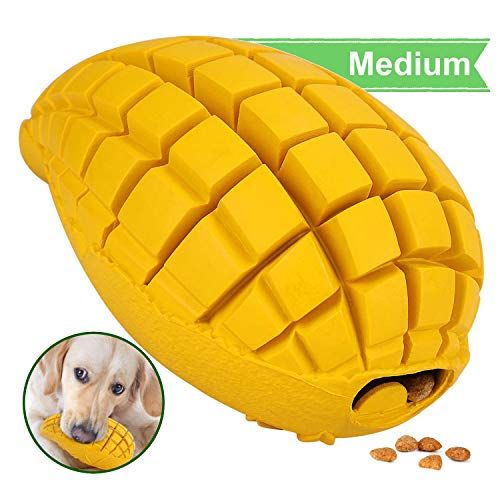
This durable rubber mango toy — which can be filled with dog treats — is sure to provide hours of chewing fun. Perfect for small and medium dog breeds.

Keep your dog entertained for hours with this purse-friendly squeaky toy shaped like a carrot. Plus, we love that you can pick this up at the supermarket as you do your weekly food shop or even have it delivered with your groceries.
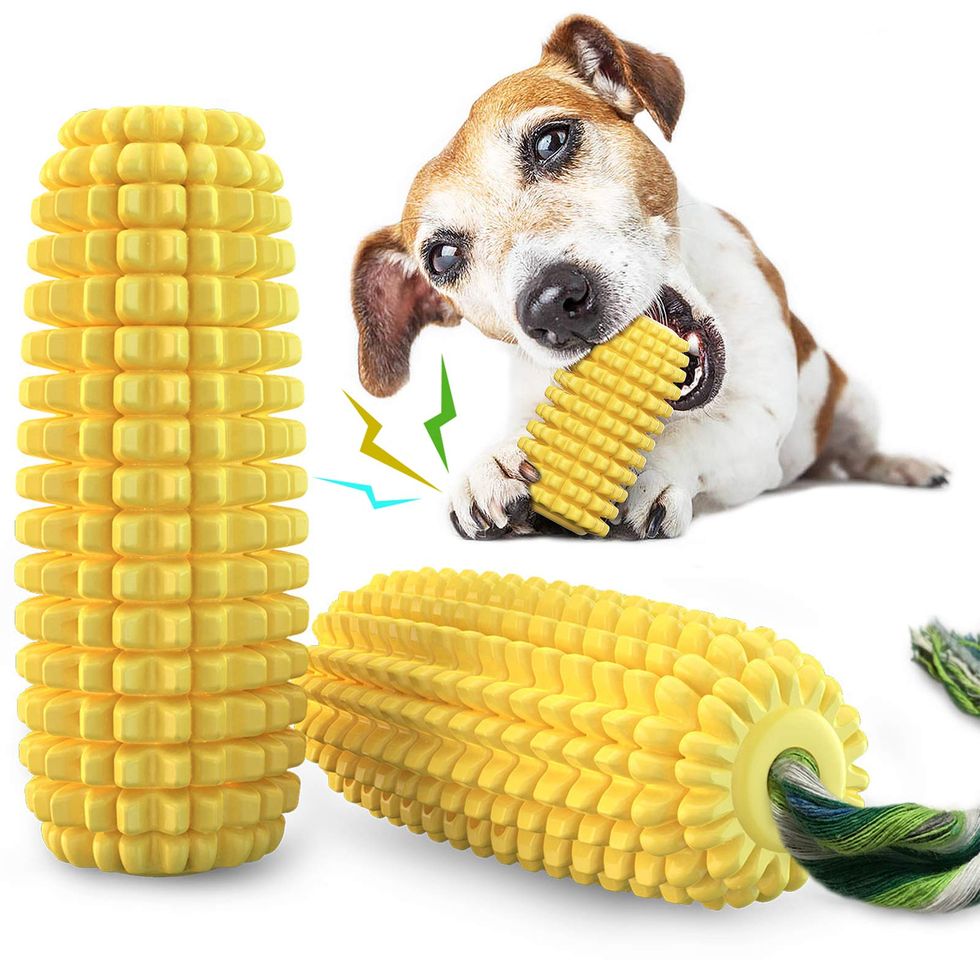
Give your dog one of their five a day with this sweetcorn chew toy. It has been designed especially for aggressive chewers and is suitable to small, medium, and large dogs in any breeds. We think dogs will love its small sound function.

If your pup is a fiend for peanut butter, you might want to introduce this peanut butter flavour chew toy into their playtime routine. The T-shape allows them to grip it easily with their paws while the raised nubs on it can help keep their teeth clean.

If they prefer the taste of bacon, why not try this double-bend bone toy. It's available in a range of sizes to ensure that your dog doesn't miss out on this tasty treat.

Let the fun commence with this long-lasting squeaker football dog toy. Perfect for keeping your dog entertained in the garden.
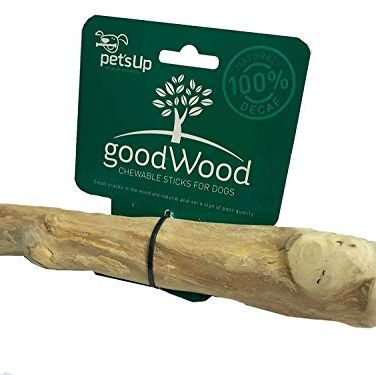
This durable wooden stick is great for dogs who love to chew regularly. While keeping your dog occupied for hours, it's also great for their dental hygiene.

Built to last, this fun donut dog toy has been made from high-quality material and will not wear down dogs' teeth.
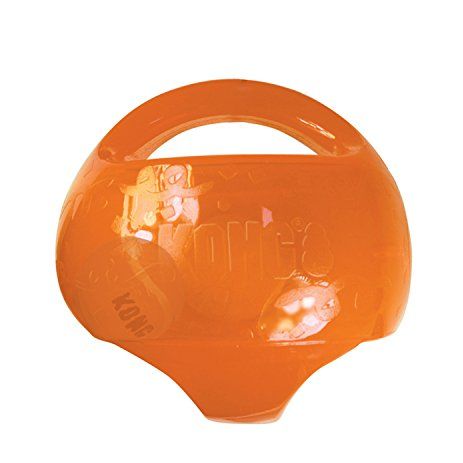
This bright fetch toy is ideal for interactive fun. It has a squeaker and a practical handle for throwing at your pup. We're certain they'll love this!

Made from three strands of heavy duty tightly woven rope, this traditional rope toy is perfect for medium or larger breeds and can withstand some serious pulling and tugging.
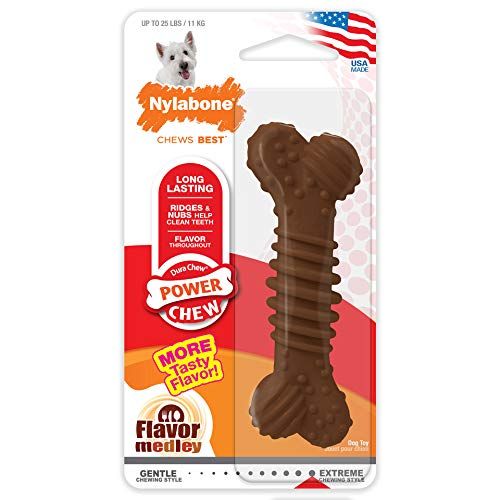
This chew toy encourages healthy, non-destructive chewing habits with dogs. And it also has a tasty flavour to it too.
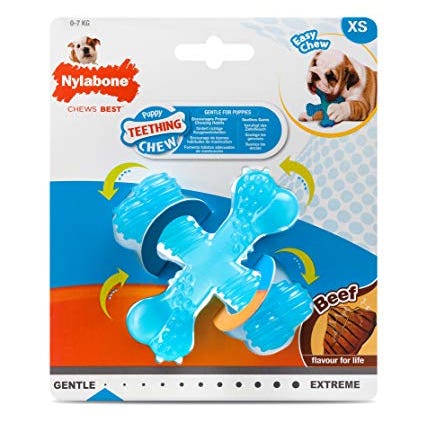
Great for young puppies, this gentle bone will help teething pups who have not yet formed any adult teeth.
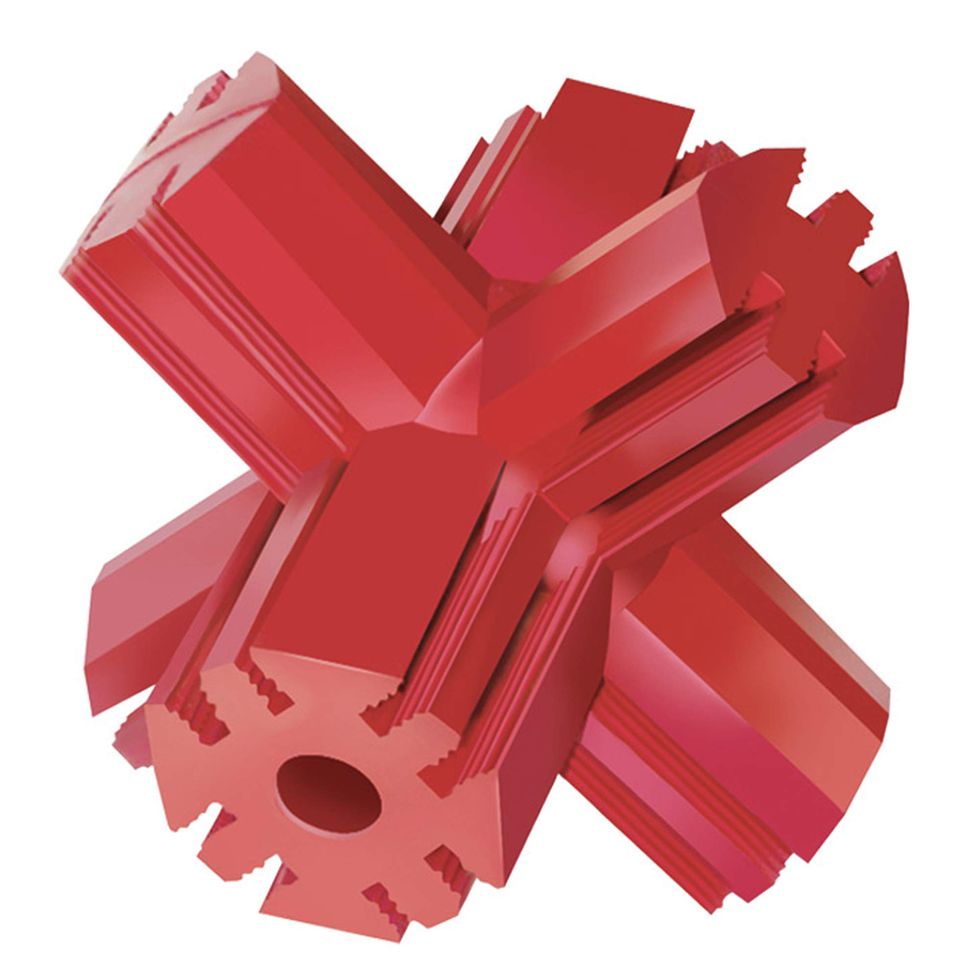
We love this unique toy, which is great for chew sessions and endless fun. Top tip: fill with peanut butter to extend playtime and satisfy chewing instincts.
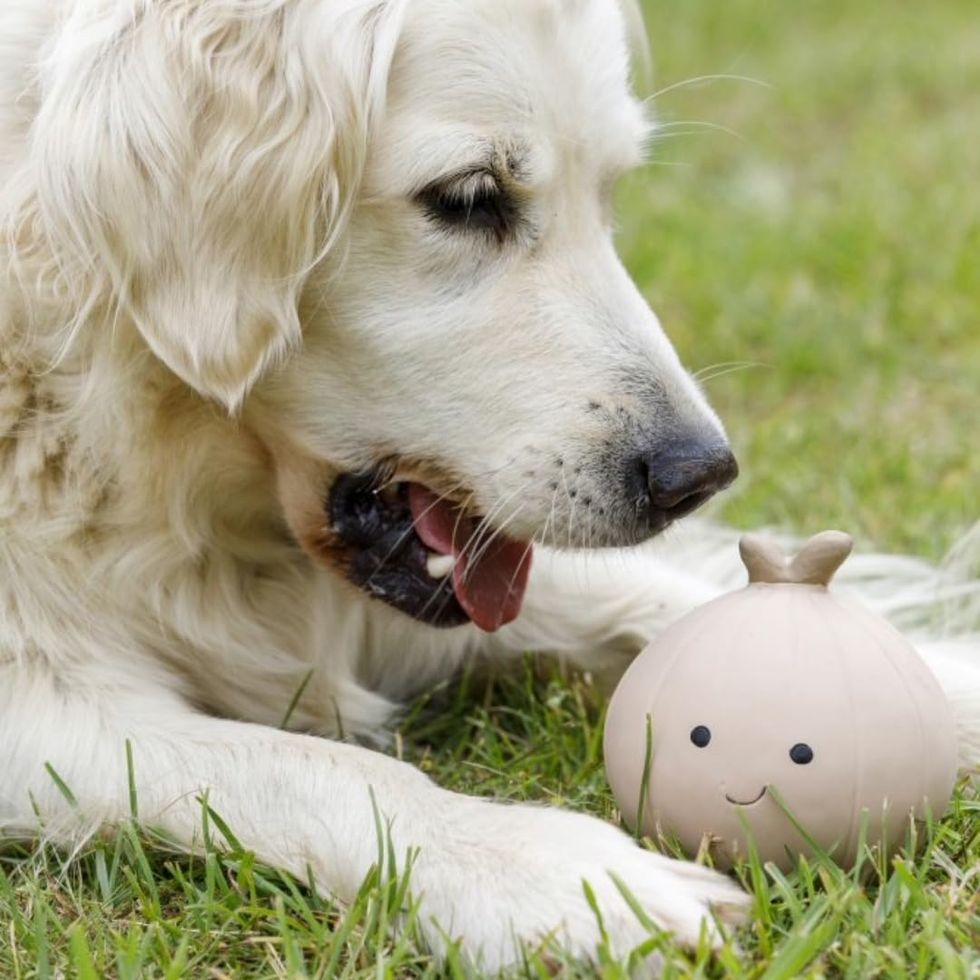
In a blush pink, this large onion toy is surprisingly durable. Best of all, it's currently on sale for less than £3.50.

Another great option if your dog loves to play fetch, this durable fetch stick toy not only makes it easier for them to spot where their stick has landed when you're out on a walk or a trip to the park. But it also works for all dogs of all sizes.
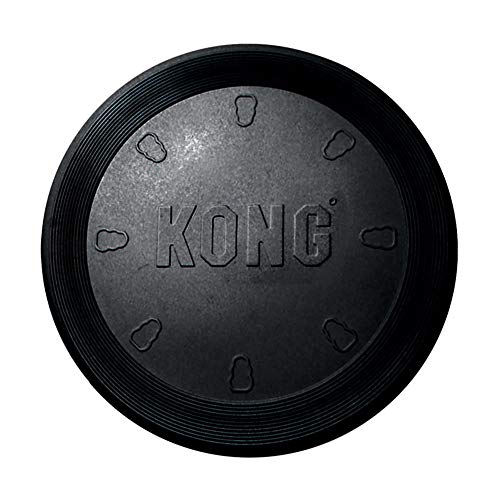
Looking for a durable rubber frisbee? Well, look no further, as this red style from KONG is perfect for keeping your four-legged friends fit and healthy.

Another great frisbee option is this XL one. It might even be easier for your four legged friend to grip and it's also currently on sale.

Made by Arm & Hammer, this gorilla-shaped toy is infused with baking soda to safely help with bad breath. Add in the fact that it is extremely durable and has a built-in treats dispenser and we can see why so many shoppers have given it five-star reviews.
Lisa Joyner is the Deputy Daily Editor at House Beautiful UK and Country Living UK, where she's busy writing about home and interiors, gardening, dog breeds, pets, health and wellbeing, countryside news, small space inspiration, and the hottest properties on the market. Previously, she has written for Conde Nast Traveller, House & Garden and Marie Claire magazine. Lisa studied at University For The Creative Arts, where she completed a BA in Fashion Journalism.


