
We know we have to change our behaviour to help fight climate change, but what things should we be doing every day to reduce the ecological impact of our canine companions?
The climate crisis and destruction of habitats are a huge existential threat to both animals and humans alike, which is why becoming a more sustainable pet owner is one of the best things to do for the planet. Take a look at the habits you should already have in place. If you don't, now is the time to try them...
1. Adopting pets instead of buying
Adopting animals not only gives them another chance at life, but it also helps discourage backyard breeders who keep puppies in cruel conditions. If you're wanting to be a more eco-friendly owner, adopting is one of the best ways to reduce the environmental demands of overpopulation.


2. Thinking about what you are feeding your dog
Pets eat what their owners pluck from supermarket shelves, but are you checking the ingredients first? All caring owners want to ensure their dog gets everything they need from a healthy diet, so ensure you are taking time to read the labelled list of ingredients and recommended feeding guidelines first (high-quality pet foods tend to contain more meat. The higher up the list of ingredients meat is, the more it contains).
Elsewhere, it's also worth considering the miles pet food has travelled to get to the supermarket. Is it local to you? Has it travelled a long distance to reach your supermarket? If you're unsure, there are plenty of independent pet food companies who will deliver directly to your door. For example, Pure Pet Food creates dehydrated dog food in fully recyclable packaging and delivers a monthly supply at a time.


3. Going chemical free at home
Kiehl's Cuddly-Coat Cleansing Spritz

It's time to care for our planet just as much as we do our dogs. From pet shampoo to cleaning products, make sure you go chemical free at home. While it can be tempting to pick up the cheapest item on the shelf, plastic-free, natural pet products will help clean up those messes safely.
Try to avoid strongly scented products, as many of them contain chemicals and nerve agents which can harm animals and pollute rivers.
4. Using biodegradable bags
Many biodegradable poop bags are made out of resin derived from plants, vegetable oils and compostable polymers, which break down completely over time. Unlike plastic options, biodegradable options won't sit on the landfill heap forever. They're great for dog owners looking to use more sustainable materials for everyday use.


5. Choosing eco-friendly pet toys
Whether you're on the hunt for chew toys, tug toys, treat dispensers and toys to chase, always choose ones with trusted eco-credentials. With a little research, you'll be sure to find plenty of toys made from recycled materials that would otherwise end up in landfill and all are either fully recyclable or biodegradable.
6. Passing on unwanted toys
Have you got pet toys your furry friend no longer plays with? Why not donate them to a rescue shelter instead of tossing them in the bin. Each pet is an individual, so if yours no longer finds a toy engaging then pass it on to someone who will.
Follow Country Living on Instagram.
28 wonderful Christmas presents for dogs

Every dog needs a tennis ball. Designed for fun and endless fetch, these balls from Pets At Home are just the right size for your dog to grip and go. And we can't get enough of the fun patterned designs either.

Both a fun way to keep your furry friend entertained and a tasty treat for them, this jolly Christmas tree lickmat with accompanying cranberry and turkey paste will certainly get them in the festive spirit.

Something they can wear all year round, this charming handmade dog bandana scarf comes in a number of lovely patterns and colours, from gingham and stripes, to polka dots and florals.

Or why not kit them out for the festivities with this super cute bowtie. At just £4, it would also make a fantastic stocking filler.

Put turkey on the menu for your dog this Christmas with these delicious dog treats. The heart-shaped and hand baked turkey and cranberry soft bites are perfect for your pet to join in with the feasting. Plus, each dog treat can be broken in two for smaller dogs – or to make them last that bit longer.

And you can keep their favourite treats fresh with this handy glass treat jar. With space to add their name and birth year, this is one of our favourite personalised picks.
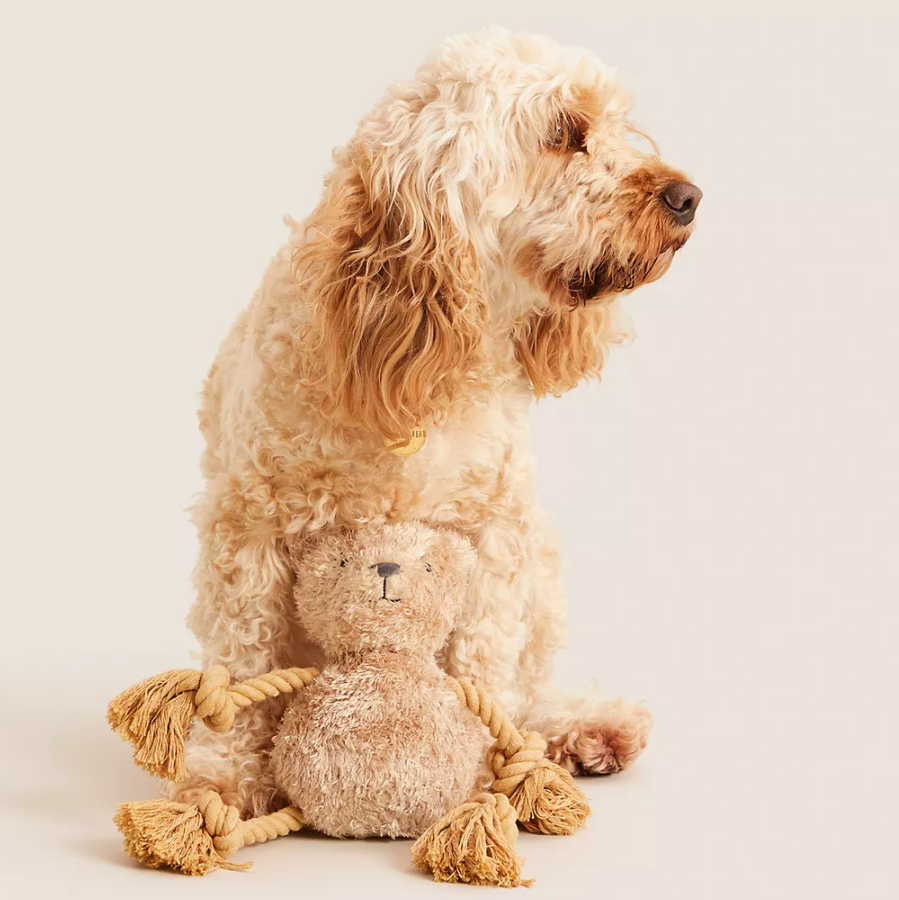
Spencer Bear™ Rope Pet Toy
With rope arms and legs, this sweet bear toy is the ultimate Christmas present for your dog. Aptly named Spencer Bear™, it's the ultimate tug-of-war companion for your pooch.

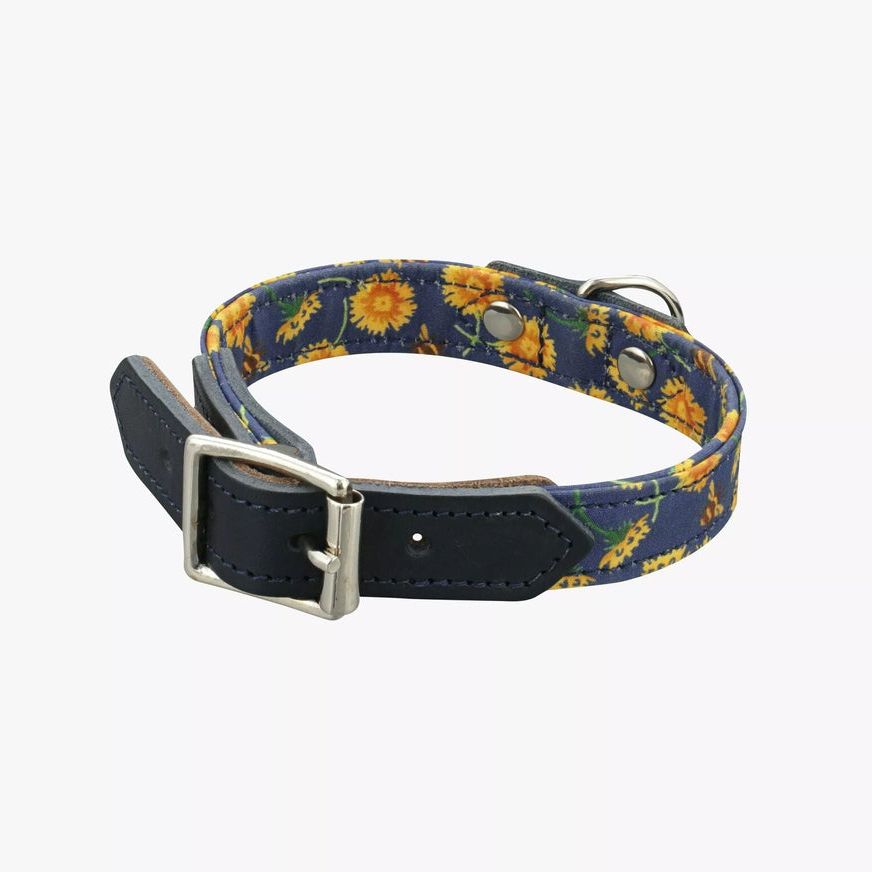
We're certain your pet will love this small pet collar, featuring a pretty dandelion print. Ideal for small breeds, it has a buckle clasp and hook for your lead.

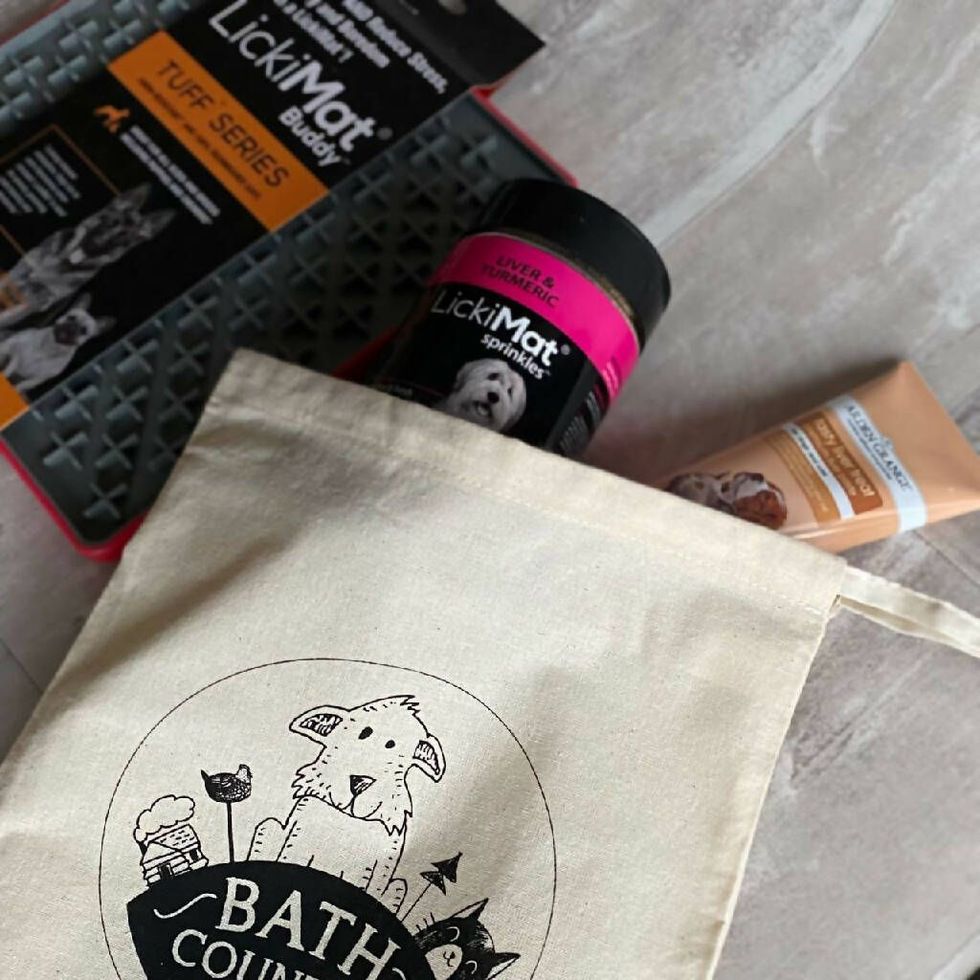
Enrichment Set - Liki Mat Brain Training For Dogs
Train your pup over the holidays with this clever enrichment set. The perfect sensory activity for keeping dogs engaged, each pack comes complete with a mat, tube of liver paste and one tub of liki mat sprinkles.
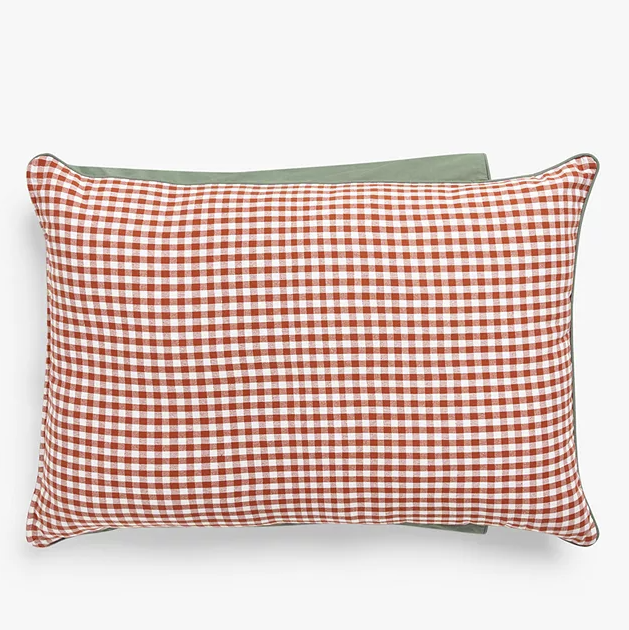
Created for comfort, this stylish dog bed from John Lewis has comfort at its heart. With a plain design on one side and classic gingham on the other, it is made from 100% cotton and filled with polyester.
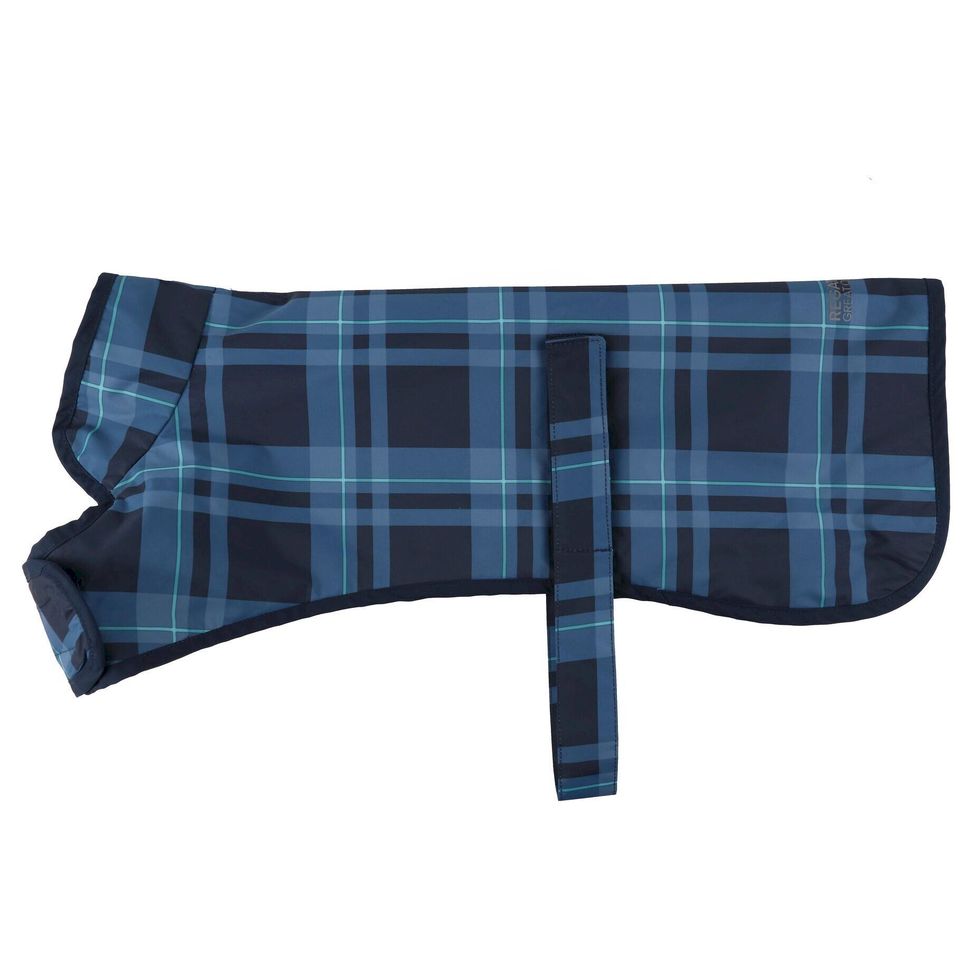
With rainy weather here to stay, this waterproof dog coat from Regatta is what every pet parent needs. The stylish blue check design will also make it easier to spot your pup when out and about.
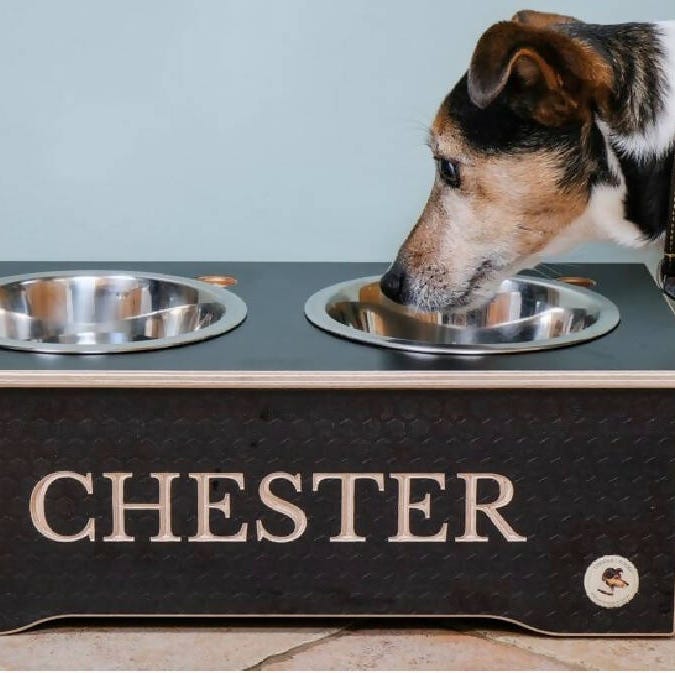
This dog bowl combines style and functionality in one elegant design. Featuring two bowls for food and water, it can also be personalised with your dog's name.

This set of 10 chew toys for dogs has been designed to distract anxious pups. Each pack contains a variety of rope toys, including a fun carrot-shaped tug and pink teddy bear.
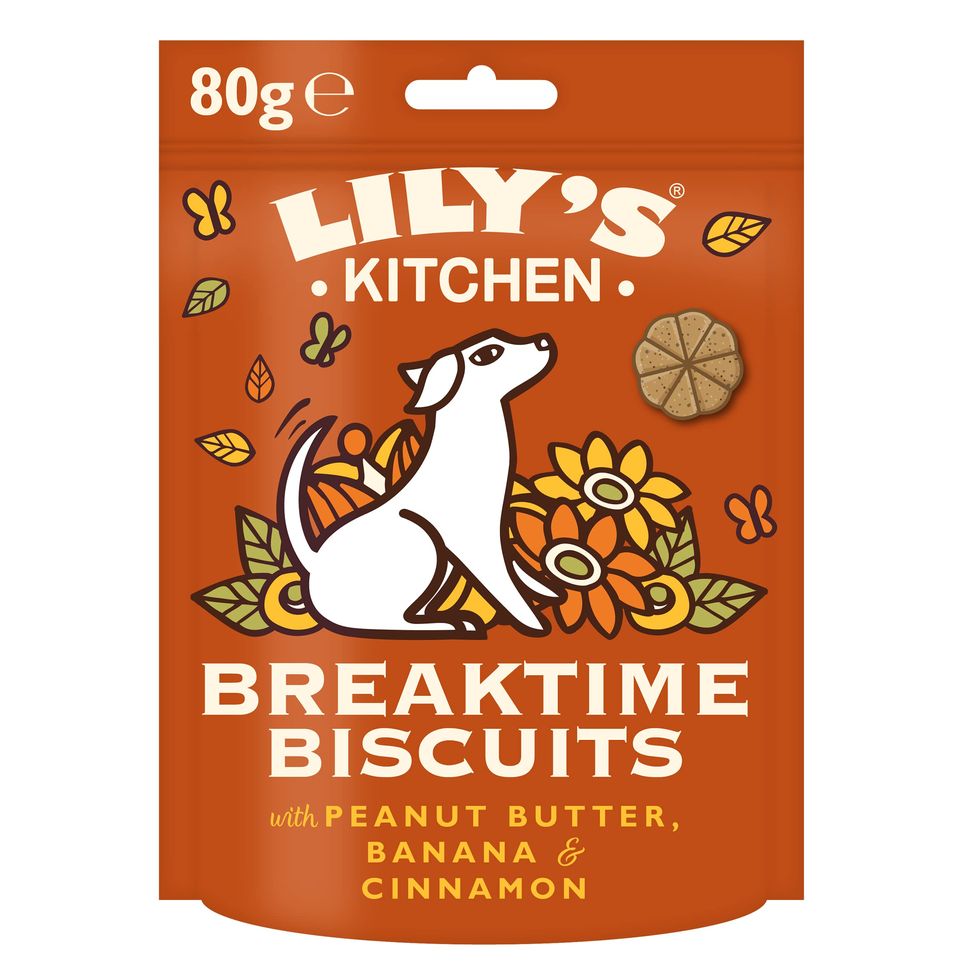
Lily's Kitchen Dog Baked Treats Breaktime Biscuits (8 x 80 g)
Keep your furry friends refuelled with Lily's Kitchen Breaktime Biscuits. This box features eight packets for your pets to snack on during the day.
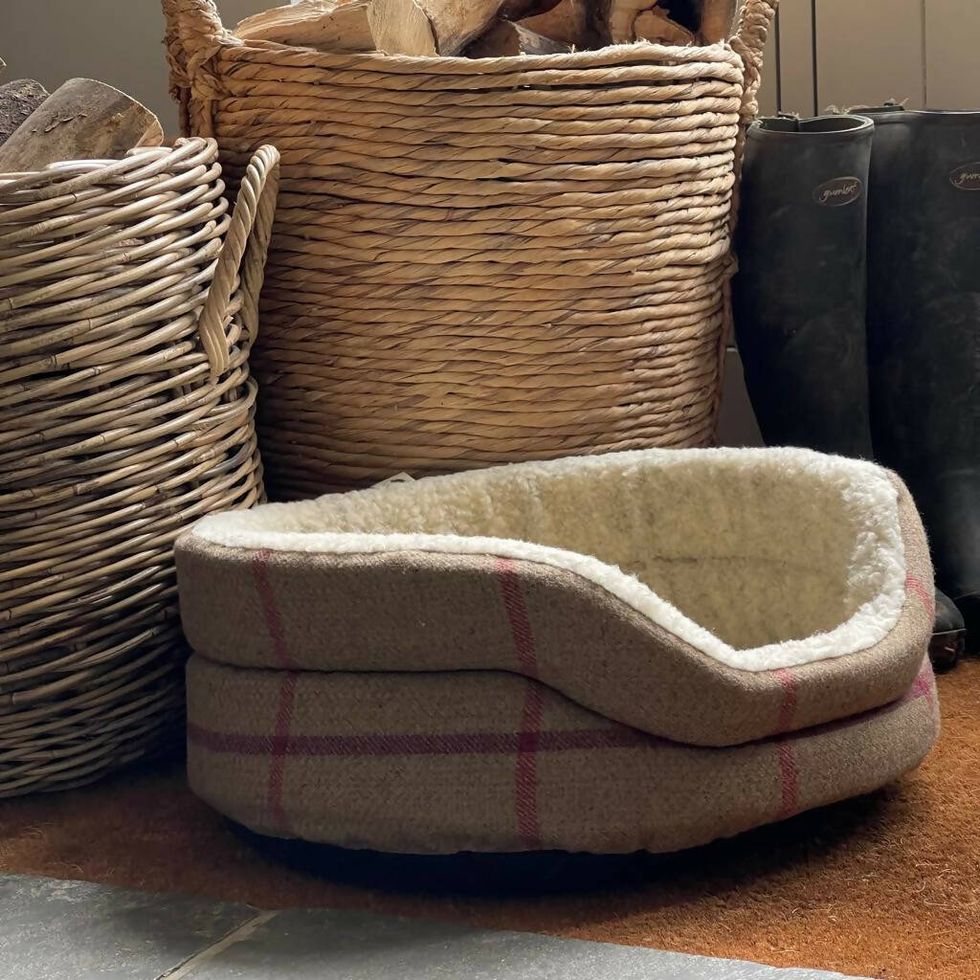
We love this tweed and fleece dog bed from the Country Living Marketplace. With six sizes to choose from, the bed boasts thick memory foam pads and high sides to offer support.

Nina Ottosson Dog Worker Level 3 Dog Puzzle Toy
Ideal for keeping energetic and excitable pups entertained and slowing down those who ordinarily race through their food, this interactive puzzle toy will keep them occupied for hours.
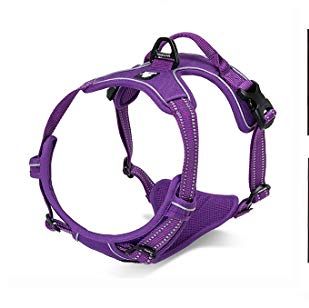
Keep your furry friend safe and secure with this soft dog harness. It has a scratch-resistant outer layer, nylon webbing to ensure good visibility at night, a sturdy handle, and a comfortable and ergonomic design. It's available in five different sizes and a range of colours.
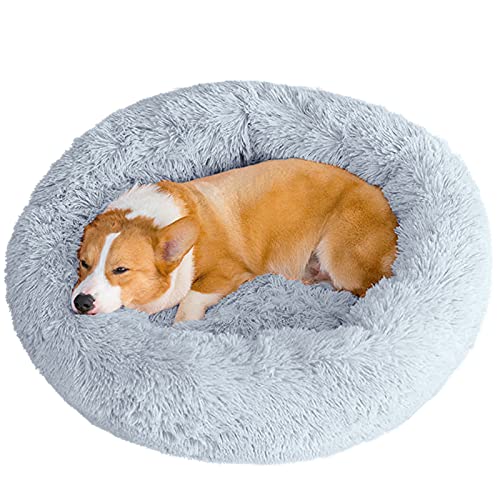
This soft dog bed, made from non-toxic materials, has been designed to keep anxious dogs calm. It has a silky feeling, a raised rim to create a sense of security, and head and neck support for when they are sleeping. But that's not all: the super-soft filling offers joint and muscle pain relief to relieve a pet's anxiety. Clever!
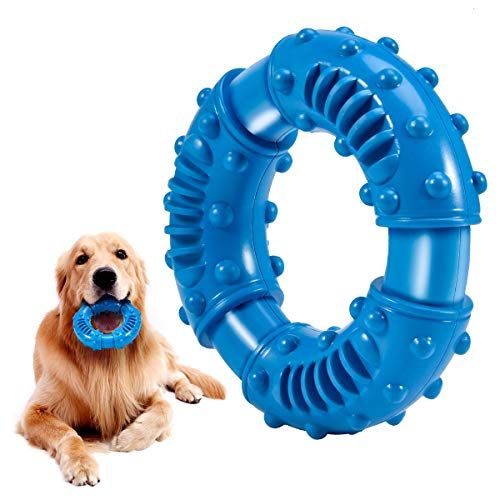
Excellent for aggressive chewers, this blue chew toy helps pups to release their extra energy by chewing. Suitable for larger breeds, it also helps them to develop healthy chewing habits that can clean their teeth, relieve anxiety and reduce boredom.

With the cold weather well and truly here, this super soft pet blanket is great for keeping your dog warm when the temperatures tumble. We think it would make a wonderful Christmas present.
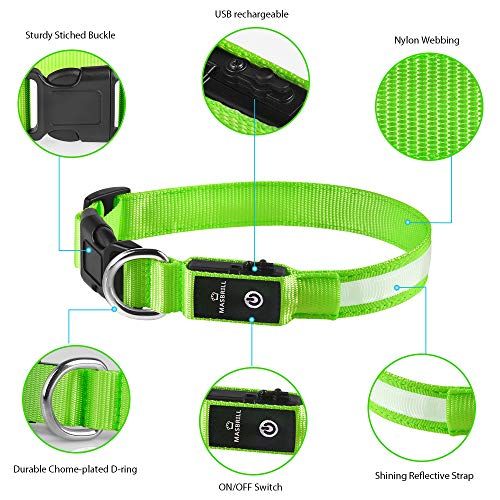
Perfect for dark winter walks, this light-up dog collar will keep your dog safe and seen. It works for over eight hours of lighting per full charge and is available in a range of colours.
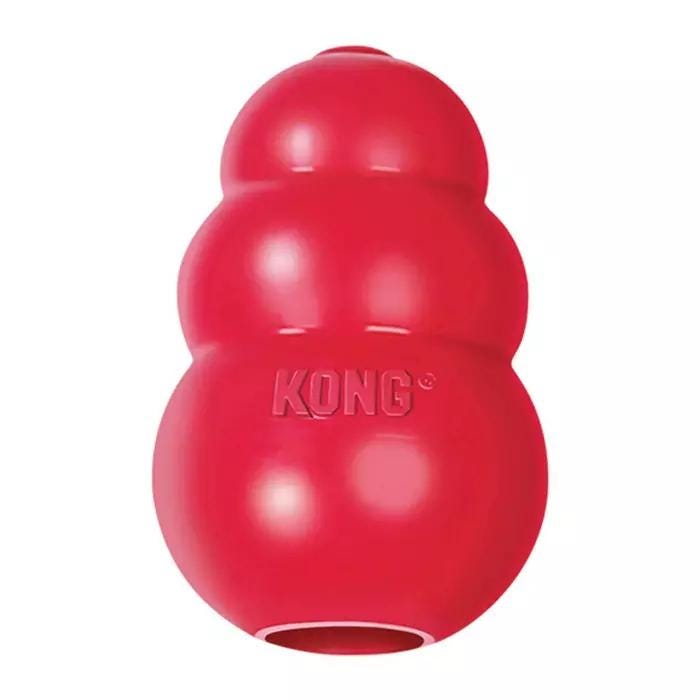
In bright red, this toy is incredible for dogs who like to chew while also playing. Ideal for keeping aggressive chewers occupied, it is available in six different sizes, allowing you to tailor it exactly to your pup.

Coming complete with three tail-wagging retrieval toys, they work equally as well in the water as they do on land, making them a great pick for pups that love to play while out on their daily walks.

Joules Joules Bee Print Dog Bed, Small
Buzzing with bees, this khaki-hued small dog bed is the perfect place for pooches to recline on.

Perfect for a game of tug of war or keeping them entertained by themselves thanks to its fun squeaker, this is one toy you can bring out year after year.
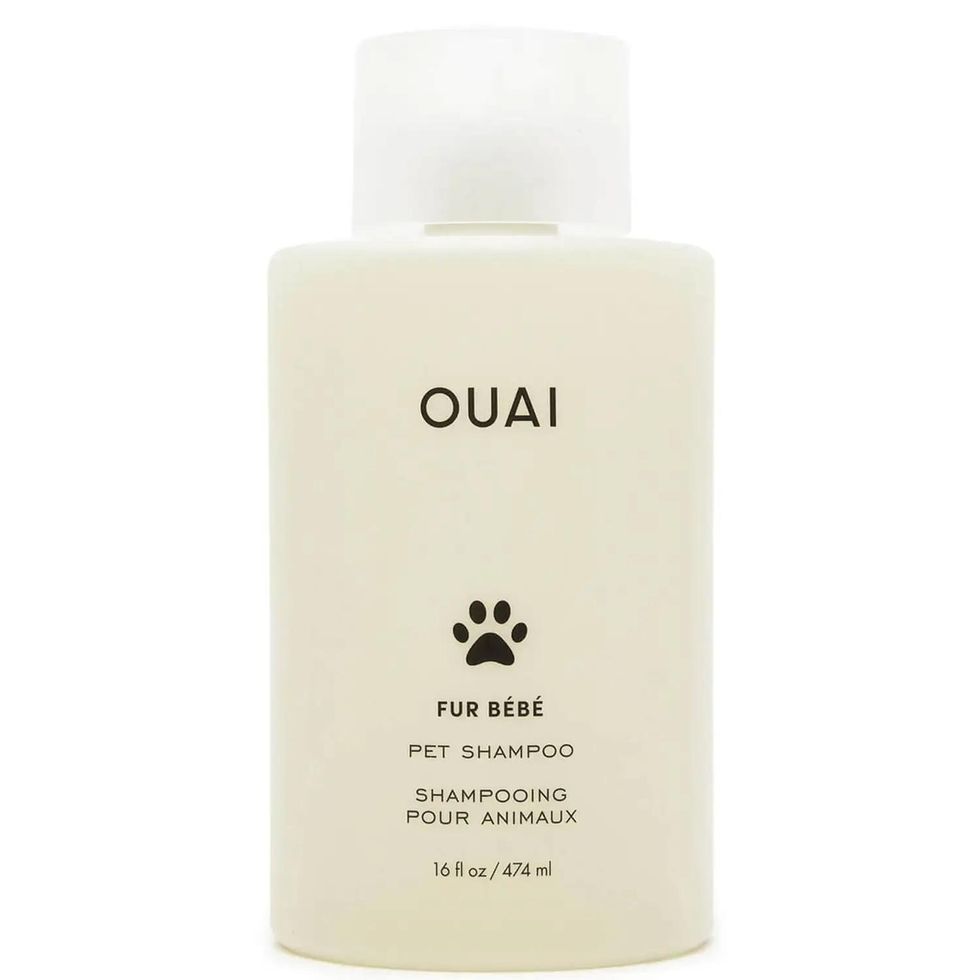
Want to treat your dog to something luxurious this Christmas? OUAI's animal range includes this gentle pet shampoo for pampered pets.

If you're looking for a personalised dog toy but don't want to shell out too much, this great option has 80 pre-stitched names to choose from. But don't worry if your dog's name isn't one of them, there's also the 'best dog ever' title which we're sure your four legged friend is.

Lisa Joyner is the Deputy Daily Editor at House Beautiful UK and Country Living UK, where she's busy writing about home and interiors, gardening, dog breeds, pets, health and wellbeing, countryside news, small space inspiration, and the hottest properties on the market. Previously, she has written for Conde Nast Traveller, House & Garden and Marie Claire magazine. Lisa studied at University For The Creative Arts, where she completed a BA in Fashion Journalism.


