
Have you ever wondered how much you should really walk your dog? As much as we'd like them to, our four-legged friends can't talk to us, which can make it difficult to know exactly how much exercise they need.
To make matters worse, opinions on this topic can vary greatly. Some dog owners stick to the morning-noon-evening rule, while others follow a more flexible approach and take their dogs on walks based on what they can fit into their schedule.
In an effort to settle the debate, we've consulted the experts – and they agree: most dogs benefit from two daily walks of 30 minutes to an hour each, depending on several factors like breed, size and age.


Two walks is the recommended amount for all dogs, as time spent outside is your furry companion's main active time.
"Walks aren't just about keeping your dog physically fit. They also support their wellbeing by giving them fresh air, new smells and stimulation," a spokesperson for the Kennel Club tells Country Living.
The length of each walk depends on your dog's breed, age, health and size.
"Some energetic breeds such as collies or spaniels need several hours of vigorous exercise each day to satisfy their needs, while other more sedentary breeds or older animals are content with 15 to 20 minutes of walking twice a day," Dr Joe Inglis, in-house vet at Napo Pet Insurance, shares. Puppies and elderly dogs also benefit from a gentler workout routine.
However, "in most cases, the more time outdoors enjoying their environment and the company of their owner, the better, whether that's running, playing or simply pottering around the block," Dr Inglis adds.


If you're struggling to determine how much exercise your dog needs, simply pay attention to their body language – more often than not, the answer is more obvious than you might think.
"If your canine companion is still full of energy when you get home, it’s a good indication that they need more exercise," says Dr Suzanne Moyes, in-house vet at Burgess Pet Care.
"Dogs that struggle on walks or aren’t keen to go out may require less – or it could be that there's an underlying health issue that needs to be addressed. The best idea is to always check with your vet that your exercise routine is suitable for your dog," she adds.
How much exercise does my dog need?
The length of the walk depends on a number of factors, but your dog's breed is a good first indicator. Below, Dr Moyes shares 33 popular breeds and how much exercise they need.
At least 30 minutes per day
These small breeds are content with gentle walks that verge on the shorter side. They are a great fit for people who enjoy leisurely strolls through the park.


- Bichon Frise
- Chihuahua
- King Charles Spaniel
- Maltese
- Miniature Dachshund
- Miniature Pinscher
- Papillion
- Pekingese
- Pomeranian
- Yorkshire Terrier
At least one hour per day
The breeds listed here are mid-range specialists and will happily accompany you on long walks through the countryside.


- Bassett Hound
- Border Terrier
- Bull Terrier
- Cairn Terrier
- Cocker Spaniel
- Dogue de Bordeaux
- English Bulldog
- Lhasa Apso
- Miniature/Toy Poodle
- Miniature Schnauzer
- Pug
At least 2 hours per day
These breeds are real endurance athletes and can go on for hours – the ideal companions for people with a more active lifestyle.


- Alaskan Malamute
- Border Collie
- Boxer
- Dalmatian
- English Springer Spaniel
- German Shepherd
- Golden Retriever
- Labrador Retriever
- Samoyed
- Siberian Husky
- Weimaraner
12 easy-to-clean waterproof dog beds
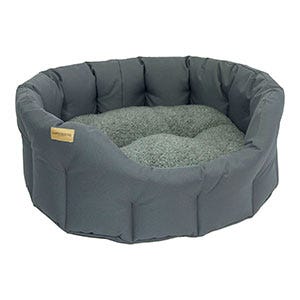
The Earthbound Classic Waterproof Dog Bed is the ultimate in hard-wearing dog luxury, featuring a premium heavy duty waterproof polyester outer, while the removable (and reversible) inner cushion features waterproof polyester on one side and a soft sherpa on the other, making this the perfectly practical cosy spot for you dog to rest after an adventure outdoors. The Earthbound Classic Waterproof Dog Bed is machine washable at 30 degrees, for easy removal of muddy paw prints and odours.
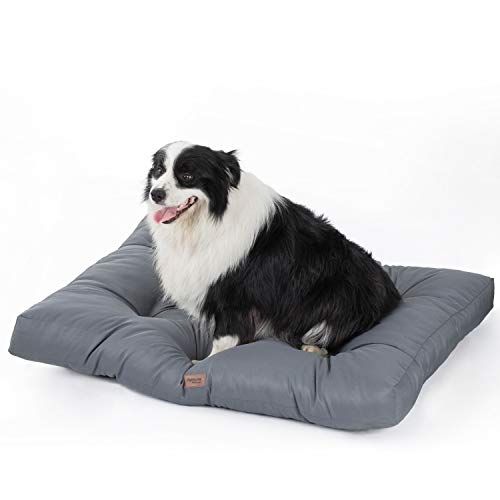
Designed for comfort, Bedsure beds are filled with premium microfiber in separate chambers and ultra soft reversible design. This pet bedding creates the ultimate place for your pet to rest and relax. The beds have a durable scratch-resistant surface and designed to resist water like dog sweat or urine.
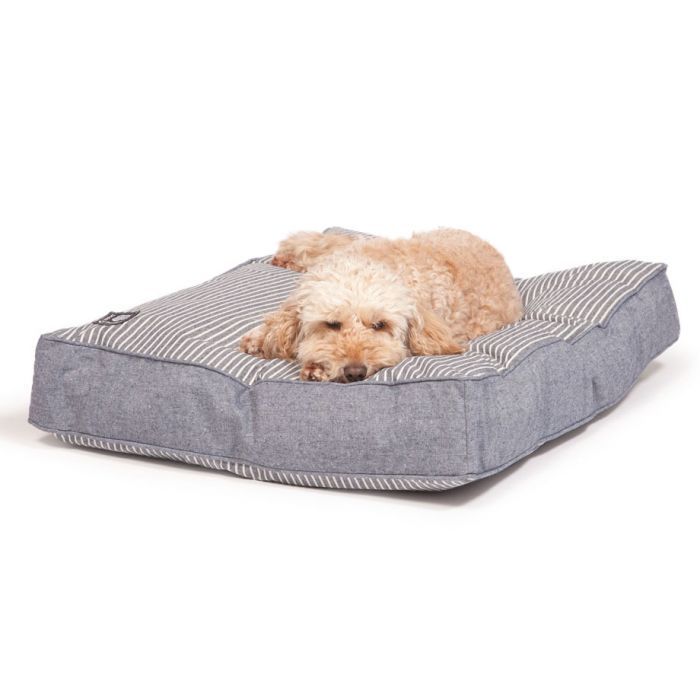
danish design Danish Design - Blue Maritime Box Duvet
This Danish Design Maritime Blue Box Duvet bed features combinations of linen look stripes and denim look textures in three relaxed colour-ways, all highlighted by a special nautical edition of the Danish Design embroidered paw.
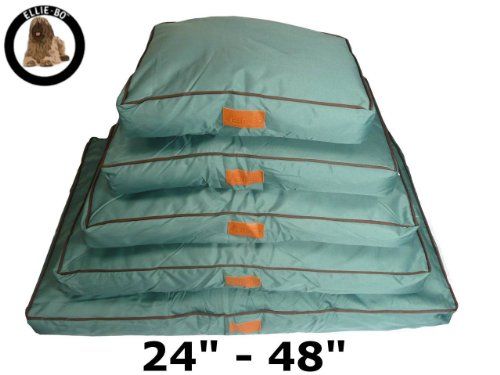
Ellie-Bo Waterproof Dog Beds in Green - Tailor made to fit cages and crates (34" - Fits 36" Large Dog Cage)
This Ellie-Bo Waterproof Dog Bed features a removable and machine washable waterproof outer cover made from Oxford weave. It also has a waterproof and breathable inner cover.
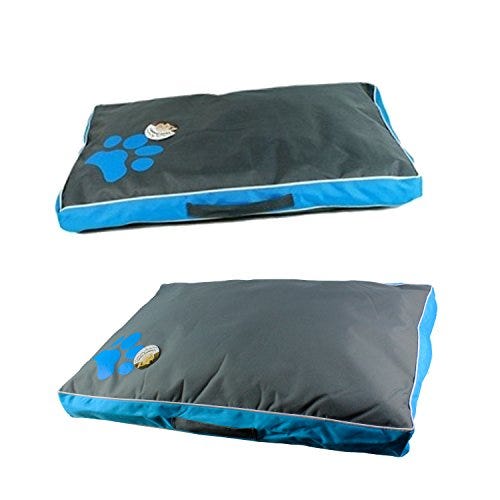
Guaranteed4Less Dog Bed Mattress Cushion Waterproof Double Sided Puppy Pet Pillow Mat Washable (Medium, Red)
This popular paw print pet mattress has a double sided waterproof pet cushion with carry handle and paw print motif. Both sides are waterproof but only one side has the printed motif. It has a zip fastening with removable cushion.
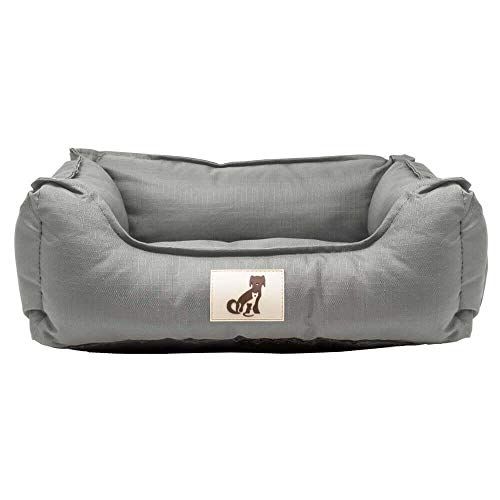
AllPetSolutions Dexter Beds Soft Waterproof Washable Hardwearing Basket Dog Bed (M, Grey)
The waterproof hard wearing Oxford fabric is easy to clean, highly durable and is suitable for dogs of all breeds and sizes. The bed cover zips off, making it easy to remove for cleaning. The cover is 100% machine washable. Non-slip backing, ideal for use on polished floors and tiles.
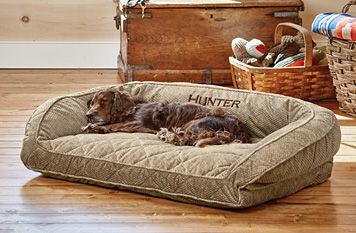
This Orvis bed has a soft quilted sleep surface, and a streamlined bolster make it comfortable for your dog. The ComfortFill-Eco cushion is made entirely from recycled plastic bottles and doesn't flatten or clump.
The three-sided bolster provides security and support for dogs who prefer a place to lean or rest their head, whilst the one open side makes this bed easy for dogs of all ages to get on and off. The upholstery-grade cover is as durable as it is incredibly soft. 100% polyester. Washable. Personalise with embroidery, up to 15 letters.
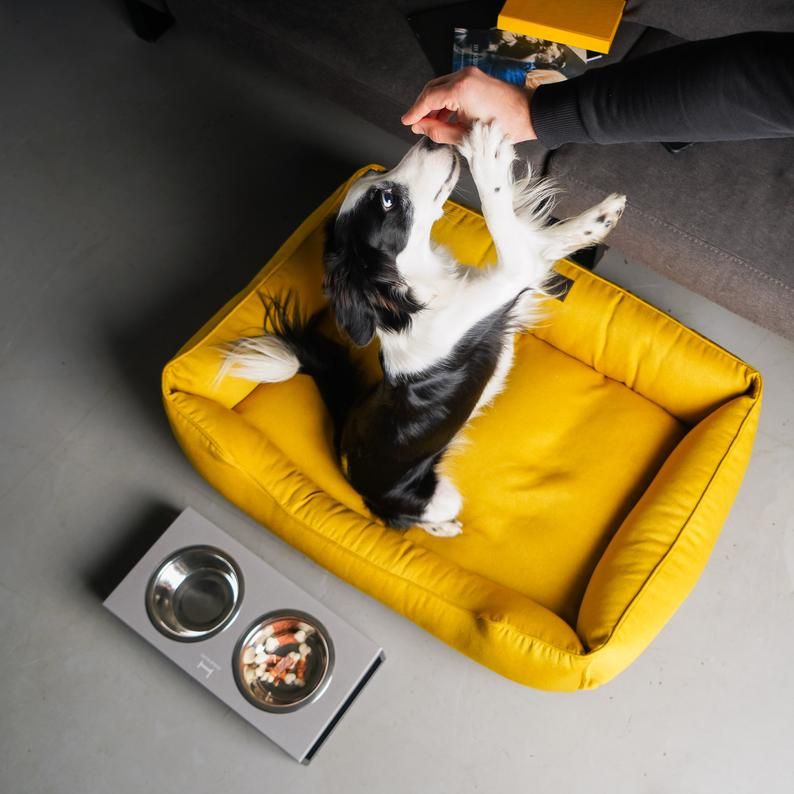
HarleyandCho YELLOW Dog bed with removable cover / bright dog nest MUSTARD / XS - Xxl size mat for dog, Gift for dog owners
This best-selling yellow dog bed comes with a machine washable removable cover. It's made of high-quality furniture fabrics, which allows your pet to feel very comfortable inside. Elastic pillows provide pets safety and comfort.
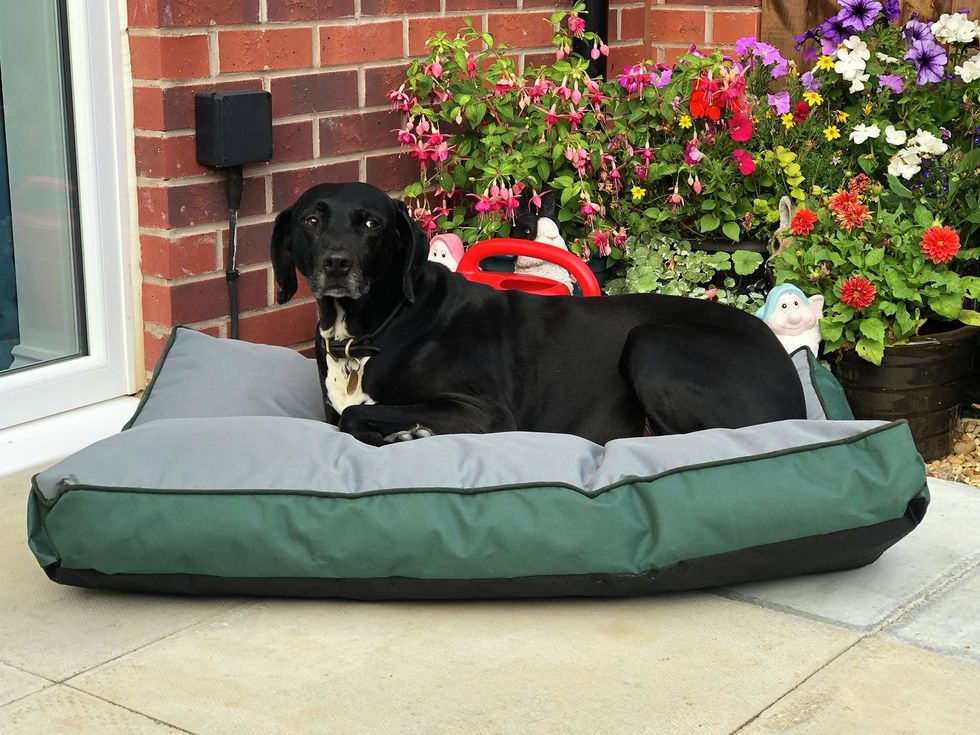
This waterproof pet mattress helps your dog relax and sleep comfortably by keeping them supported, warm and dry. The laminated fabric of the bed helps to repel water and although the bed is strong and durable, it is still comfortable for them to sleep or rest on. The removable cover and removable internal pad are both machine washable for when you need to clean it.
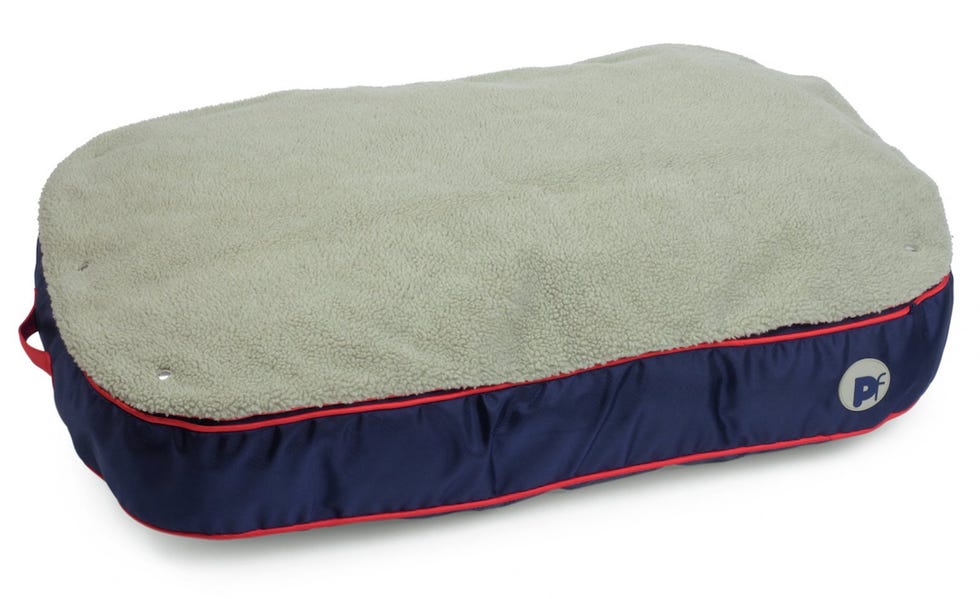
This Petface water resistant mattress is designed to help keep your dog's bed clean. It comes with a removable berber fleece top cover which you can easily take off and reattach with the poppers. The removable cover is machine washable and the wipe clean base makes cleaning super easy. The non slip backing helps to keep the bed still as your dog gets on and off.
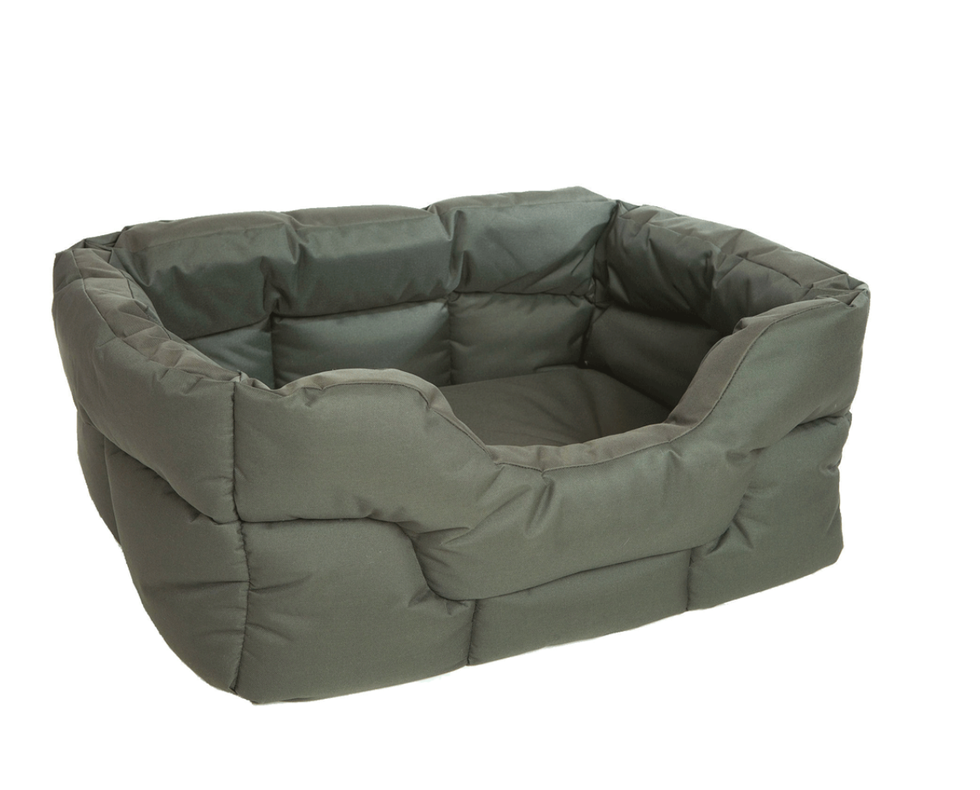
P&L Country Dog Tough Heavy Duty Rectangular High Sided Waterproof Dog Beds in 3 Sizes Medium, Large & XL/Jumbo
The ideal dog bed for country dogs who get wet and dirty on a regular basis. The tough, heavy duty, hard-wearing, 100% polyester, waterproof material is easy to keep clean. The thick base cushion is removable and the high walls of this bed are filled with bonded thermal polyester fibre to insulate your pet from the cold floor and keep it out of draughts.
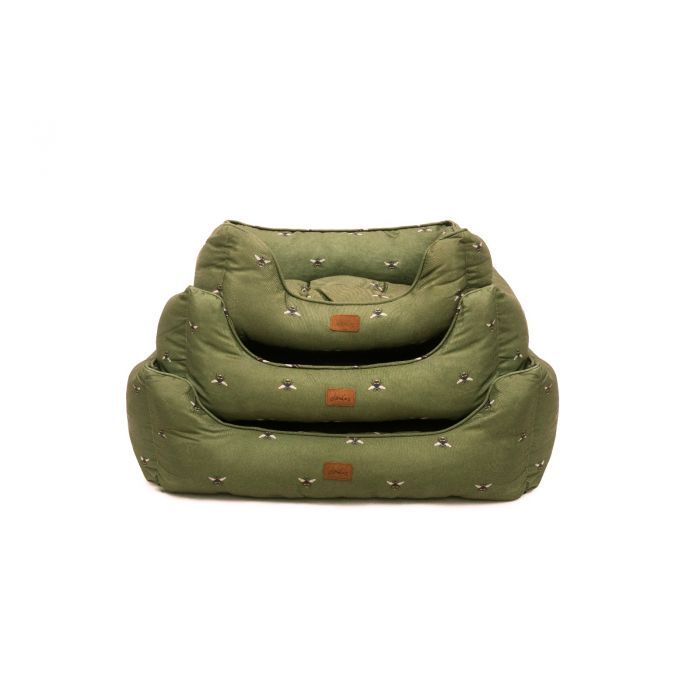
This dog bed is thickly padded on all sides to provide warmth and extra comfort with reversible cushions. It's also machine washable and has a non-slip base.
Like this article? Sign up to our newsletter to get more articles like this delivered straight to your inbox.SIGN UP
Wanda Sachs is the Multiplatform Writer for Country Living and House Beautiful, exploring the latest in gardening, wildlife and sustainable living alongside interiors and property. She is particularly interested in human-interest stories, the intersection of design and pop culture, and the evolving relationship between urban and rural life. Previously, she served as Associate Editor at The Berliner in Berlin, where she reported on culture and fashion. Wanda studied English and German at the Goethe University Frankfurt and Exeter University.


