

Best known for their long, droopy ears, Basset Hounds are smart short-legged dog breeds that make affectionate and lovable companions.
Jump to:
"Basset Hounds are medium-sized dogs with short coats and have a lifespan of over ten years," PDSA vet nurse, Shauna Spooner, tells Country Living. "Their name directly relates to their size – the word 'basset' comes from the French word bas which means low or short. They are gentle, placid dogs that enjoy the company of their owners, and are best suited to a family home."
Keep reading for everything you need to know about Basset Hounds, including typical behaviour, health issues, and grooming tips:
What is the typical behaviour of a Basset Hound?
"Basset Hounds are known for being vocal – they love to 'sing', howl, and bark. They can be very independent, especially when it comes to training, so will require consistent positive reward-based training throughout their lives," Shauna from the PDSA tells us.
"They need a minimum of an hour's exercise each day, which can include walks, playtime, and training. Basset Hounds are scent dogs, so will also require scent games to give them a chance to exercise their natural instincts, and to keep their brains active."
Are Basset Hounds high maintenance?
Basset Hounds are fairly low-maintenance dogs as they only require moderate exercise. They are great dogs for first-owners as they are known for being easy to look after.
What to Read Next
Do Basset Hounds have any health issues?
Basset Hounds are prone to certain health problems, many of which are due to the fact they have been sadly bred for their appearance.
"There are several health issues that people should be aware of. Because of their deep chest, Basset Hounds are at risk of gastric torsion, a serious condition where the stomach fills with gas and twists," Britt Rosendahl, a Behaviour and Training Specialist at Woodgreen, tells us.
"The breed is also prone to ear and eye infections, and they can develop joint issues. Whichever dog breed you’re interested in, you can ask a vet to advise you about common health issues, and ensure that you get your pet from a reputable rescue or responsible breeder to reduce the risks of any unexpected or avoidable health issues."
According to the PDSA, the most common health issues are:
- Skin and ear infections due to their excess skin and ear length
- Obesity, especially as the more weight they carry the more likely they are to experience back problems
- Elbow dysplasia
- Gastric Dilatation Volvulus (GDV)
- Intervertebral degenerative disc disease (IVDD)
- Eye problems including Primary Open Angle Glaucoma which is an inherited condition that causes pain and potential blindness due to excess fluid build-up in the eye
If you want to minimise the risk of your dog getting problems due to exaggerated features, it's important to read up on how to choose a pedigree dog. The PDSA has a helpful guide here.


Where did Basset Hounds originate from?
"The breed's name 'Basset' comes from the French word 'bas', meaning low or short, perfectly describing their squat stature. Originally from France, Basset Hounds have been used throughout history to hunt small game such as hares or rabbits," says Britt.
"The breed's exceptional sense of smell and short legs kept them close to the ground and allowed them to navigate through dense undergrowth, making them highly efficient hunters.
"Their long, droopy ears help lift scents off the ground and directly into their noses, contributing to their outstanding sense of smell. Although some Bassets are keen swimmers, most don't enjoy being out of their depth in water. In the mid-19th century, the Basset Hound's popularity spread beyond France to England, where they were introduced to the British aristocracy. The breed was officially recognised by the Kennel Club in 1882."


What is the best owner for Basset Hounds?
The basset hound is a friendly, easygoing dog. Originally hunting in packs, they tend to be good with other dogs and other pets in general. They are good for owners who are home regularly, as the pups don't like being alone.
"As a Basset guardian, you'll need to be someone who enjoys country walks and has plenty of patience. These dogs can be very focused when they set their minds to something and will sniff every blade of grass on walks – they would rather not move away until they’re good and ready," says Britt.
"Bassets were bred to work quite independently and therefore you'll need to consider this when thinking about what activities you’d like to do with your dog. Bassets are often very food-orientated, which can help with training, but they may need extra input if there's the option of putting their nose on the ground instead! Basset Hounds are one of the smartest dog breeds, they're fast learners and will enjoy accomplishing tasks. They are vocal dogs and can produce loud, deep howls which are unlike any other dog howl."
Basset Hounds will appreciate a large secure garden and will require the usual amenities.
Own a dog? You should read these too...


How much should a Basset Hound eat a day?
"As with all dogs, Basset Hounds require a complete, balanced dog food to keep them slim and healthy. Portions should be measured, as this breed is prone to obesity," Shauna explains.


How often does a Basset Hound coat need brushing?
Basset Hounds have fairly low maintenance coats and should only need to be brushed weekly. However, because they have lots of excess skin and long ears, they will require daily checking, including cleaning their skin fold and their ears. If you are ever worried about your Basset Hound, always head to your local vet.
40 best medium-sized dogs

Collie
Both Timmy and Lassie can attest to the devoted nature of Collies. These active yet affectionate herders can follow commands quickly and accurately, but be forewarned: They do tend to bark quite a bit.
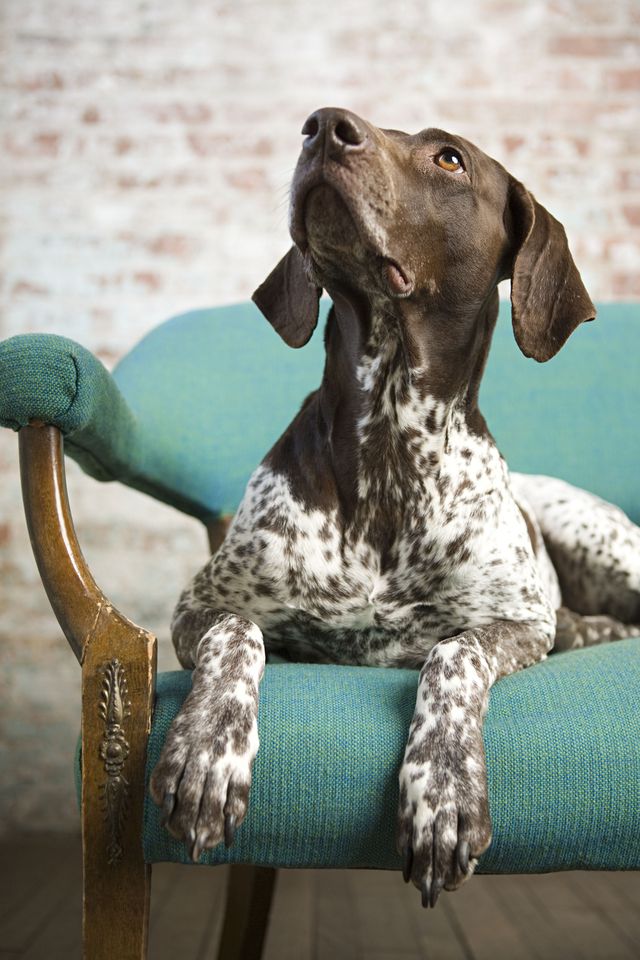
German Shorthaired Pointer
GSPs can run, run, run — and then run some more. But their high energy doesn't deter too many. High marks in intelligence, companionship, and hunting ability make GSPs very popular.
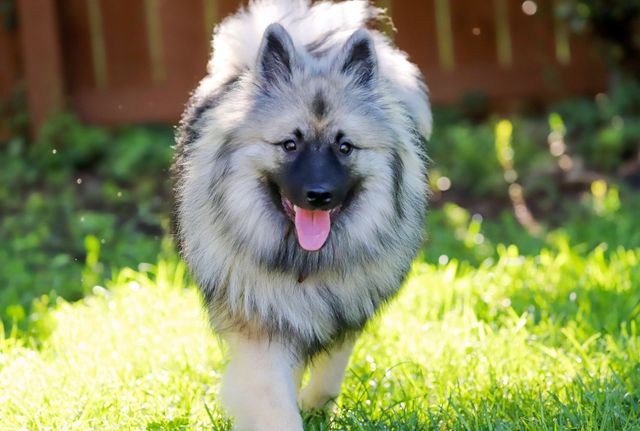
Keeshond
Experts named them one of the smartest breeds around, and not just because of those trademark "spectacle" markings that stretch from ear to ear. A total people person, the Keeshond also loves to make new friends.

Boykin Spaniel
The official dog of South Carolina, this Southern spaniel stays true to its roots as a hunting companion. Besides keen swimming abilities, they're eager, energetic, and (of course) endearing.
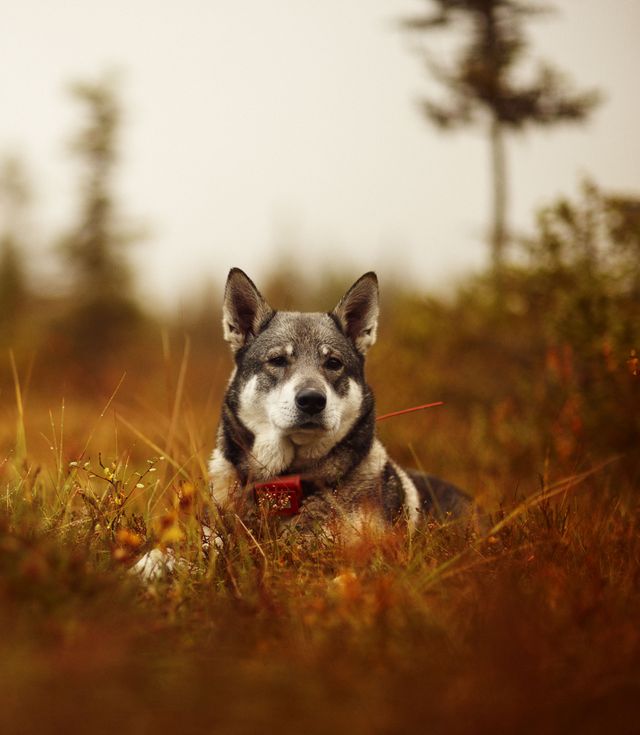
Norwegian Elkhound
This ancient breed dates back to the Viking age, when they helped hunt elk, bear, and other wild animals. Today, Elkhounds maintain their versatility and athleticism, but win over new owners with a sociable and confident attitude.
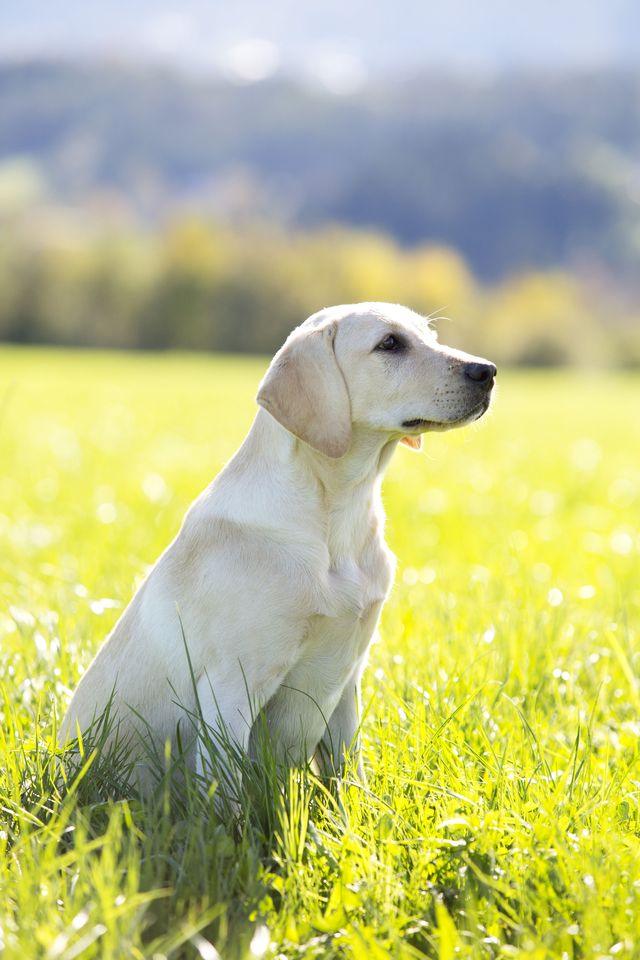
Labrador Retriever
It's no wonder why Labradors are always popular - these pooches are quite intelligent, friendly and loyal. They're so eager to please that Labs are an easy choice for jobs as service dogs.
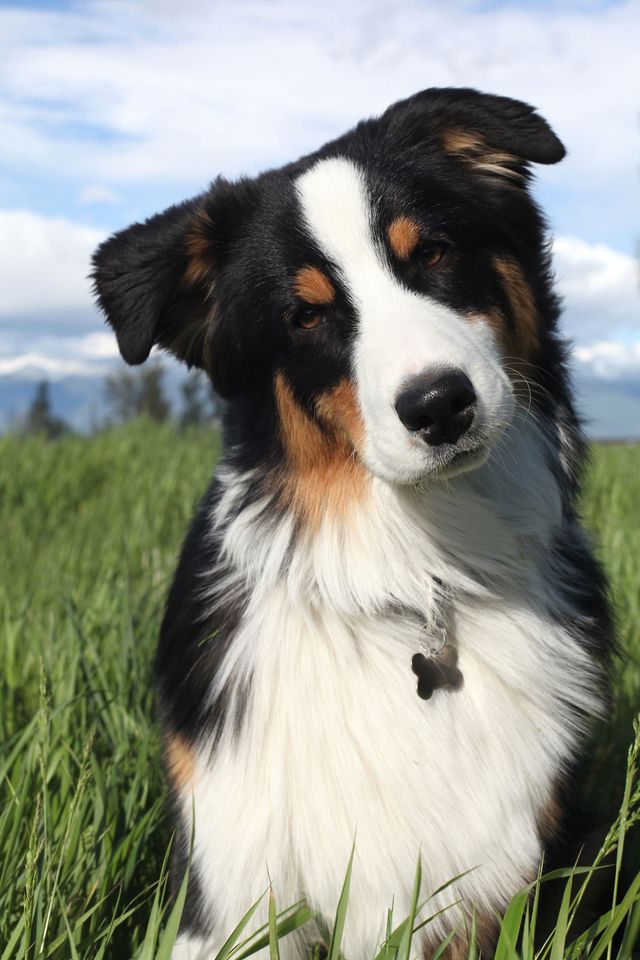
Australian Shepherd
Loyal and devoted to their owners, these dogs are wary of strangers. Aussies are uncannily smart, independent, and can act on their strong herding instincts.
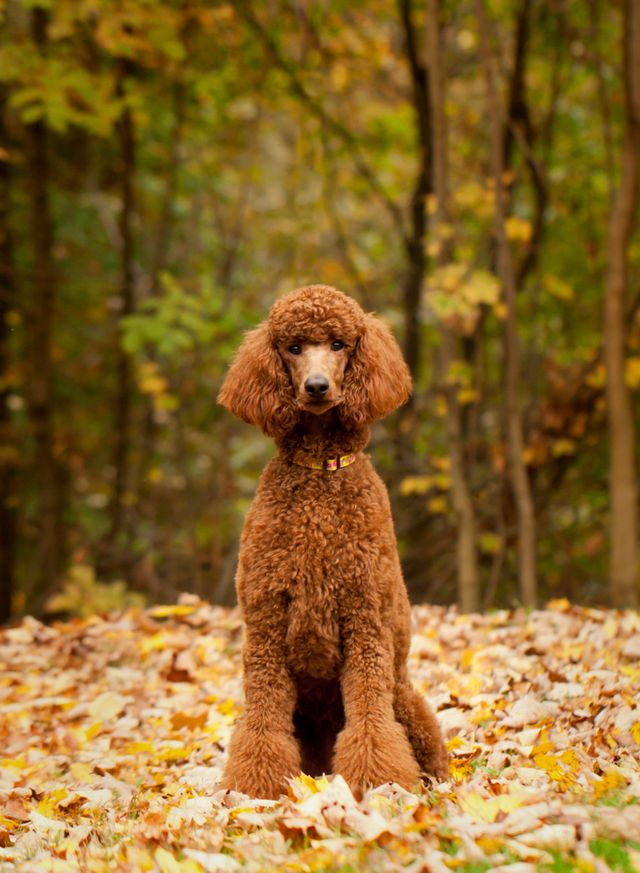
Poodle
While we often think of poodles for their pretty appearance, these pooches are more than meets the eye and known for their superior intelligence, making it easier for owners to train them.
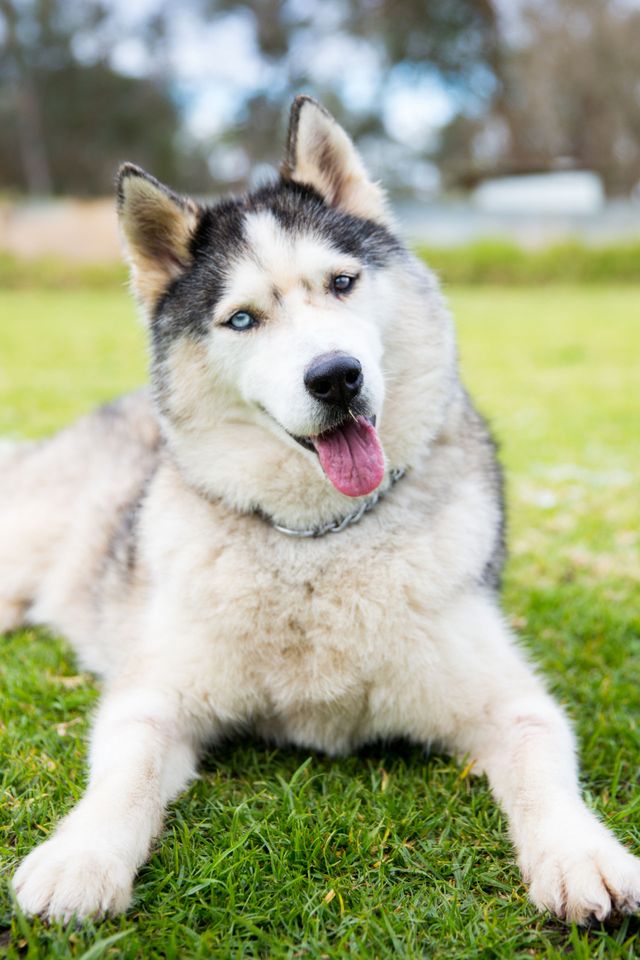
Siberian Husky
Huskies are clever, happy, and responsive. They're friendly by nature but also very stubborn. This high-energy dog prefers to be outdoors.

Boxer
Boxers are fun-loving canines that also make great watch dogs, protecting your home from strangers. To keep up their playful nature, they need plenty of exercise each day.
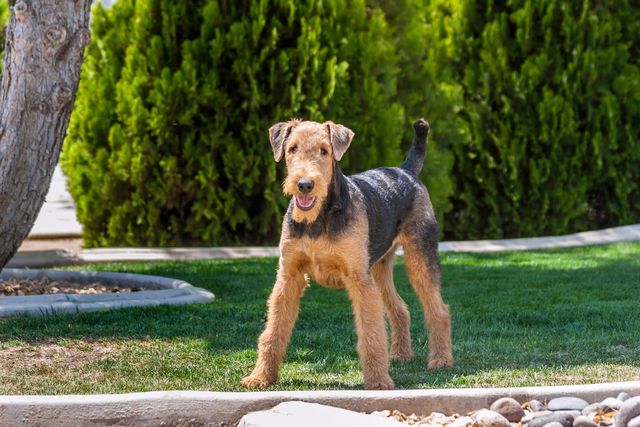
Airedale Terrier
Given their legendary loyalty, Airedale Terriers are extremely trustworthy with children. They're eager to please and quick learners, but they can struggle to get along with other dogs.
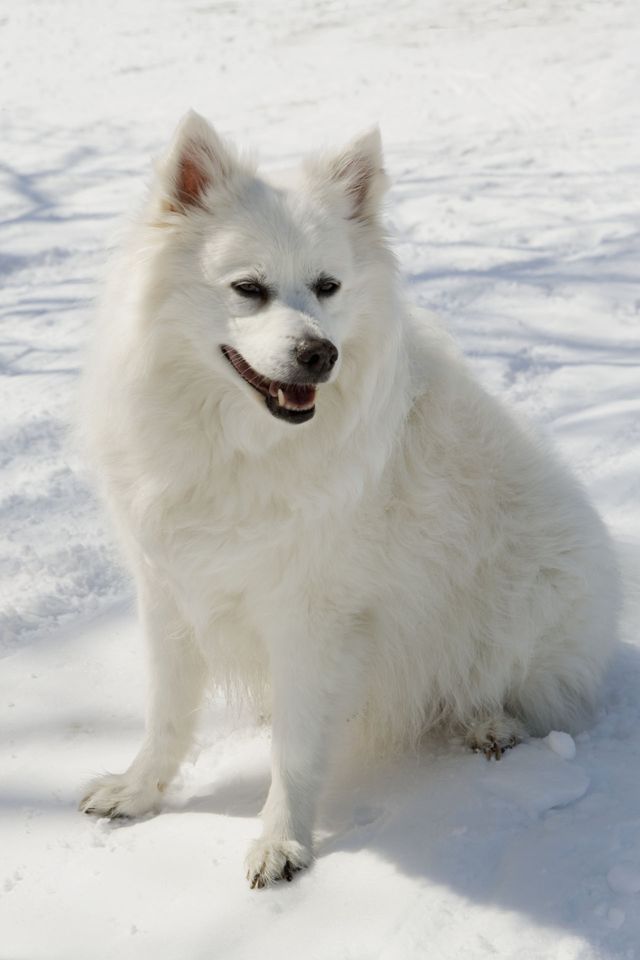
American Eskimo Dog
Surprisingly, "Eskies" don't have any ties to the Eskimos — they actually gained popularity in the US as circus dogs, performing tricks and walking across tightropes. As a family dog, Eskies are playful, perky, and smart — not to mention a cinch to teach.
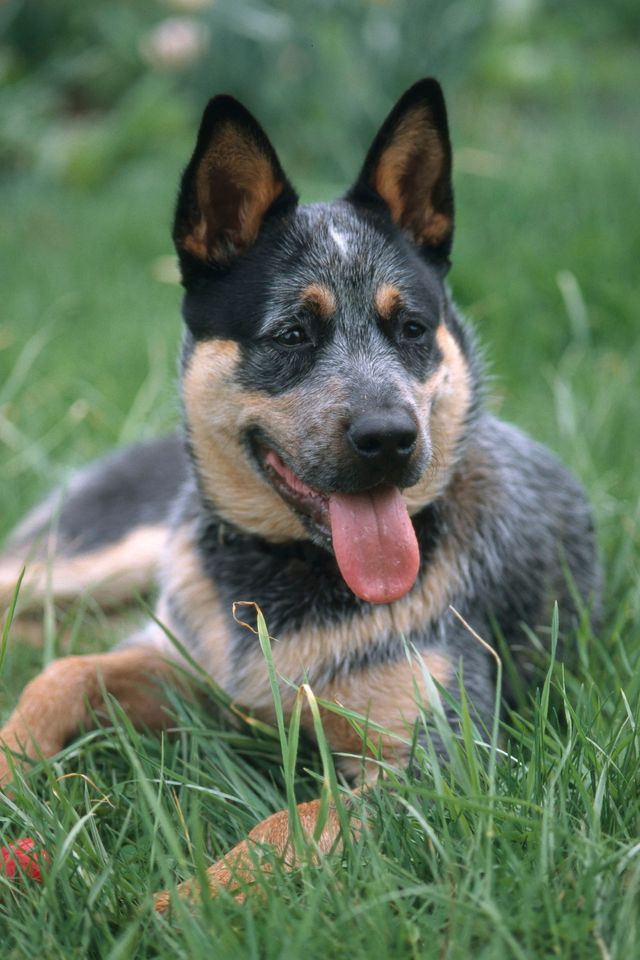
Australian Cattle Dog
Also called "Blue Heelers," ACDs are tireless herders who need lots of exercise and mental stimulation.
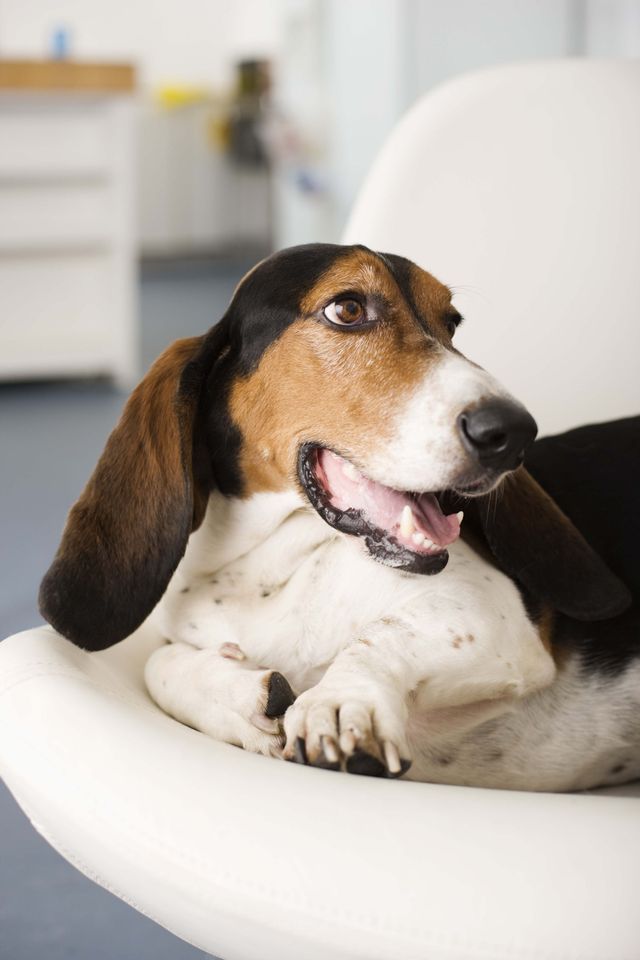
Basset Hound
Good-natured and easygoing, a basset hound has a great sense of humour and a couch-potato sensibility. They're stubborn and not too intelligent, making them difficult to train.
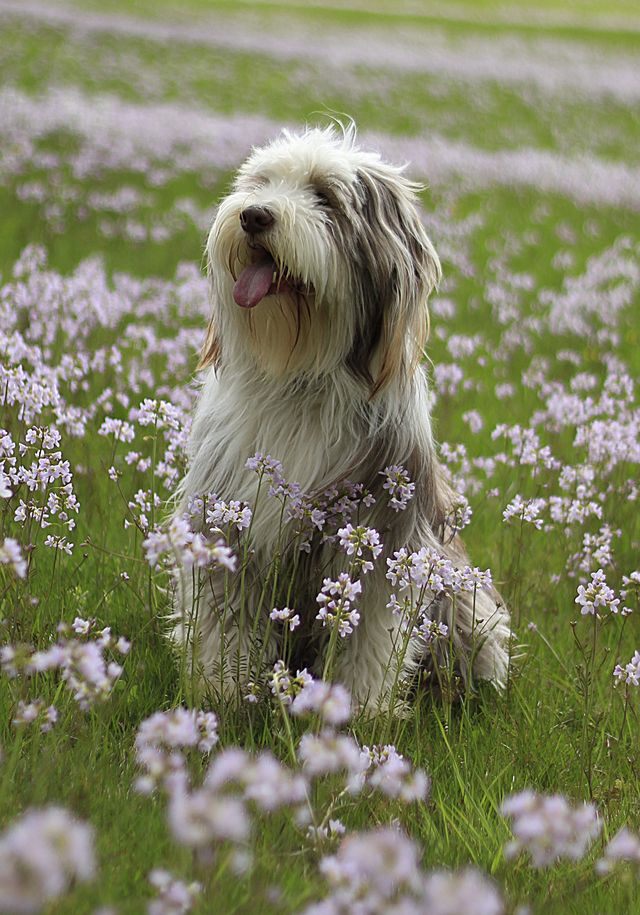
Bearded Collie
Beardies are boisterous and bouncy, with a more athletic build than similarly-shaggy English Sheepdogs. They love the outdoors (in any climate!) and do well with children.
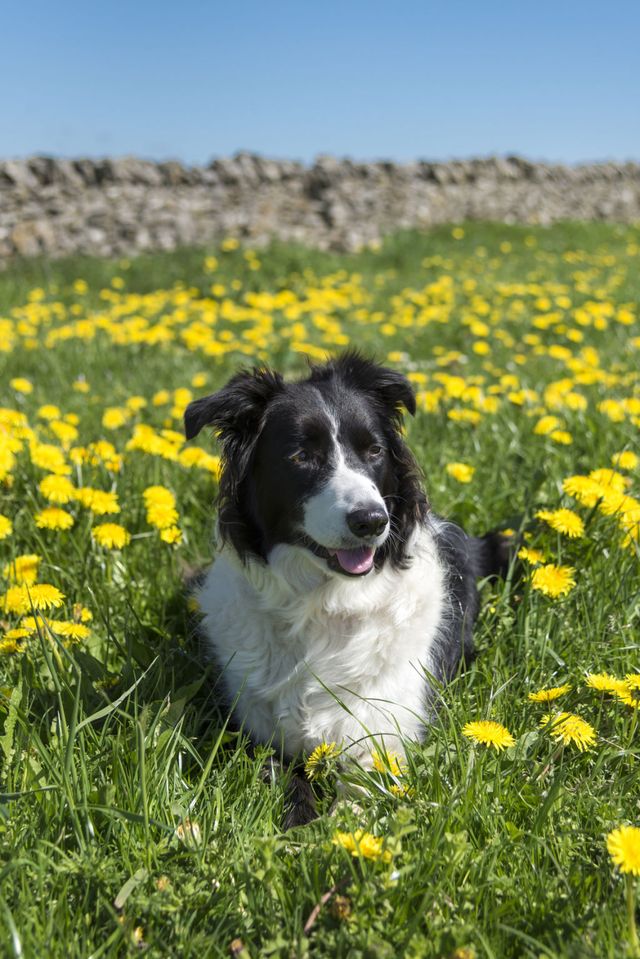
Border Collie
Border collies are incredibly smart and athletic workers — one even starred in the movie Babe — but they have a tendency to herd objects and people, including children.

Brittany
As field dogs, Brittanys have boundless energy and make for excellent running and hunting partners. They're quick to learn and love a challenge, but can be somewhat reserved if not socialised.
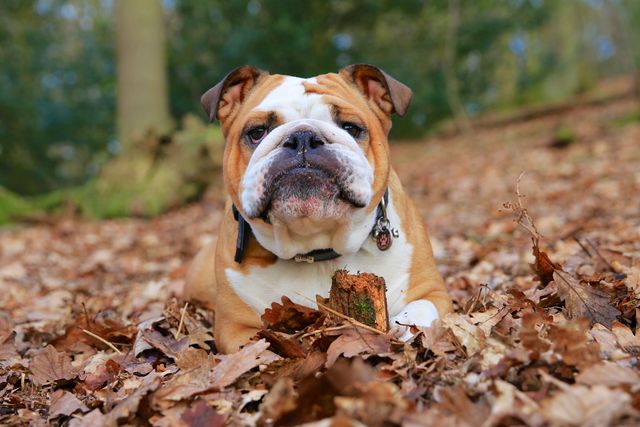
Bulldog
Beneath that frowning mug lies a heart of gold. They're loyal, steadfast, courageous, and determined. Bulldogs are also willing to please — once they figure out what it is that you want. They snore up a storm and aren't suited for hot climates.

Chinese Shar-Pei
Regal and aloof, this dog does not fawn or beg for attention. The Chinese Shar-Pei is devoted to its family, making it a great watchdog.

Chow Chow
The Chow Chow's keen intelligence, independent spirit, and innate dignity make it an impressive breed. They tend to be reserved, even toward family, but are very loyal.

Dalmatian
This multi-talented breed has been a dog of war, a shepherd, a hunter, and a ratter. They're loving, spirited, and quick learners. A natural watchdog, Dalmatians are reserved with strangers and don't like other dogs in their territory.

English Springer Spaniel
Gentle, easy going, and very affectionate, this breed is a top choice for a child's pet. They're playful and love to engage in rough and tumble games. Springer Spaniels even get along well with other dogs.

Finnish Spitz
With a fiery orange coat and pointed ears, the national dog of Finland tends to resemble a fox more than a canine. "Finkies" are not only excellent watch dogs but also friendly playmates for children.

Nova Scotia Duck Tolling Retriever
Bred for "tolling," or luring game, these active partners do best with a job to do. Active families will love their affectionate and intelligent demeanor.
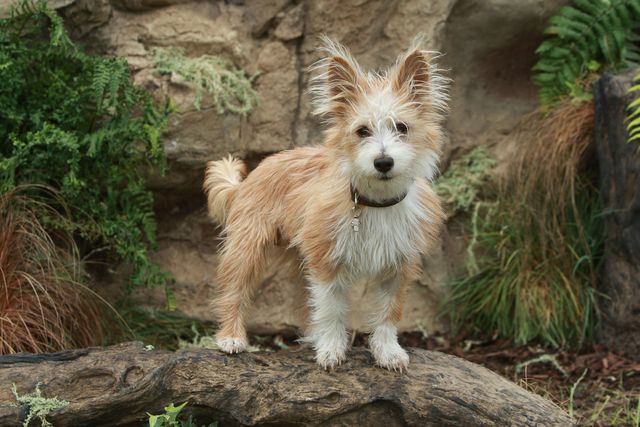
Portuguese Podengo
Podengos are lively and playful, coming in three sizes: pequeno, médio, and grande. The hounds date back to the 5th century and enjoy working together in a pack.

Portuguese Water Dog
They haven't earned the name "water dog" for nothing — PWDs have waterproof coats and webbed feet, originally used to herd fish into nets or act as a courier between boats. Today, the Obamas' two pets are the most famous examples of the breed. The family partially chose the "First Dogs" for their hypoallergenic fur.
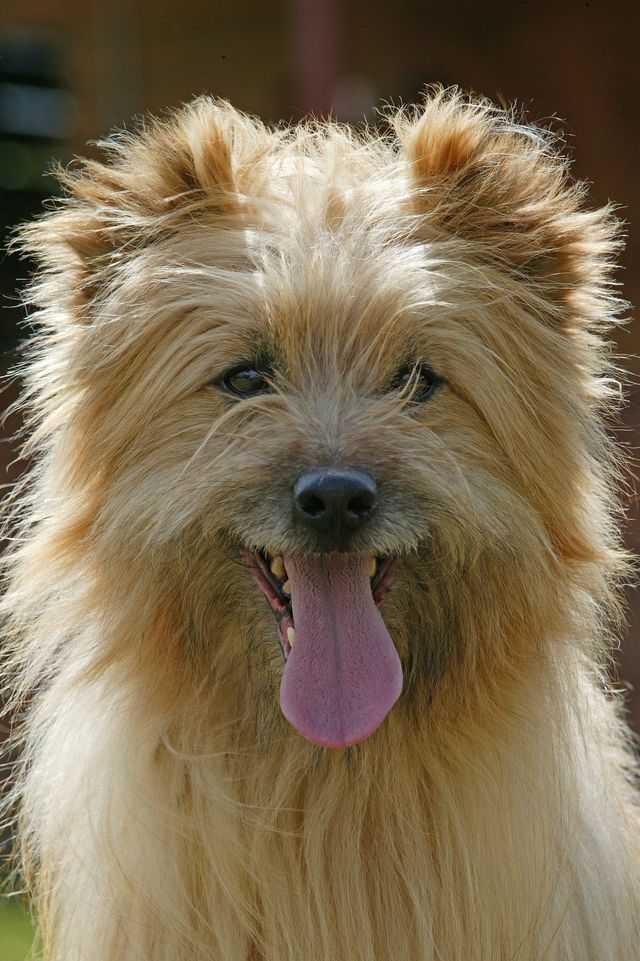
Pyrenean Shepherd
Active and cheerful, these herders come in rough- and smooth-coated varieties. Usually, Pyrenean Shepherds bond intently with one person and can be wary of strangers.
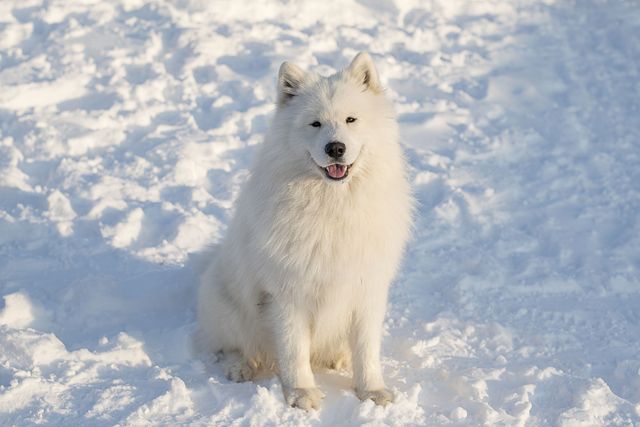
Samoyed
This high-energy dog loves being outdoors. Samoyeds are friendly, intelligent, and eager to please, but they also tend to be reserved.

Soft Coated Wheaten Terrier
An Irish breed, these fuzzy terriers are known for their deep devotion and enthusiastic displays of affection. Owners have even nicknamed their loving welcome the "Wheaten greetin'."

Standard Schnauzer
Smart and spirited, it's no wonder that Schnauzers are bred in three different sizes (miniature, standard, and giant). The sturdy canines are naturally protective and intelligent.
Lisa Joyner is the Deputy Daily Editor at House Beautiful UK and Country Living UK, where she's busy writing about home and interiors, gardening, dog breeds, pets, health and wellbeing, countryside news, small space inspiration, and the hottest properties on the market. Previously, she has written for Conde Nast Traveller, House & Garden and Marie Claire magazine. Lisa studied at University For The Creative Arts, where she completed a BA in Fashion Journalism.


