
Every year, we all become time travellers. Despite adopting the modern trappings of Christmas, we still love the ancient practice of hanging up seasonal greenery.
Midwinter celebrations, which marked the darkest days of the year and anticipated the return of spring, are thought to be as old as time itself: places such as Stonehenge, whose construction began some 5,000 years ago, very likely hosted rituals and gatherings to mark this wintry milestone.
With the arrival of Christianity, pagan festivities and Christmas traditions became beautifully intertwined, like ivy winding its way through an evergreen holly tree.
As someone interested in rural history and age-old traditions, I find this continuity thrilling. At this time of year, we bedeck our farmhouse with leaves, berries and other natural decorations, and foraging is an important part of this ritual.


I usually pressgang the family into a number of woodland yomps, looking for sprigs and fallen pine cones to bring home. I also scour the garden and hedges for anything that looks vaguely alive. Aside from festive favourites such as holly and ivy, I'll find yew, rosemary, bay, laurel and other evergreens looking glossy.
Many shrubs still have jewel-like berries or hips, such as viburnum, sloes, cotoneaster, snowberry, hawthorn, rowan, spindle and dog roses.
In late autumn, I cut and dry the last of the hydrangea flowers just as they're getting papery, as their muted blue petals keep for months. Seedheads, teasels, honesty, old man's beard and even artichoke heads are wonderfully ornamental, too.


When it comes to display, I go for over-the-top Victorian opulence. Piles of greenery adorn the mantelpieces, wreaths are hung on doors, sprigs are balanced on picture frames, and the tables get seasonal centrepieces.
Even the hallway banister is festooned with ivy swags. The bright stems of dogwood feature heavily and are gratifyingly pliable at this time of year, perfect for bending into a wreath or twisting into decorative shapes. I also dot tall candles or sparkly lights through some of the displays to bring them to life.
One of the joys of a foraged Christmas is the lack of fuss that can go with floral arrangements. To create a mantelpiece display, for example, I start with chunky candlesticks at each end or a candelabra in the middle.


Long trailing lengths of variegated ivy are draped along the top, weaving in and out of the candles, with the ends left trailing off the edge. I tuck shorter sprigs of holly or a similar berry into gaps, taking care for it not to look too ordered.
For pops of colour, I'll then space a handful of hydrangea heads or something with a similar round form among the greenery. Odd numbers look more natural. Any fresh greenery not in water (especially ivy) will wilt or crisp up quickly – most arrangements need refreshing every ten days or so. Freshly cut holly will dry but should keep its colour and shape – the same goes for rosemary and bay.
Outdoor arrangements, however, can last for weeks – although berries on wreaths are often nobbled by hungry birds. I usually create wreaths from dogwood tied into a circle or use a pre-made woven wreath as a base. It's then easy to tuck greenery or sprigs of berries into the wreath, or wind lengths of ivy around it – all natural materials that can be added to the compost heap after Christmas.
Last year, I pushed dozens of red and golden dogwood sticks into large plant pots by the back door. They looked sensational, like exploding fireworks. Some of the cuttings even started regrowing, which I then replanted. It occurred to me that my foraged decorations had not only brightened winter's dark days but, as my ancestors would have appreciated, marked the return of spring.


3 types of Christmas foliage to grow
Juniper
Yew is traditional but also toxic, so look for Juniperus communis (common juniper). Native to the UK but in decline, this hardy conifer has blue-green needle leaves.
Bay
Fragrant bay is a remarkable culinary herb and an even better plant for foliage, as it can be used both fresh and dried. Laurus nobilus 'Angustifolia' has gorgeously narrow leaves.
Holly
Get glossy leaves and rouged berries without the prickles. Ilex aquifolum 'J.C. van Tol' is self-fertile, so doesn't need another holly tree near it, and produces smooth-edged leaves.
Ornamental Ivy
Plant a rigorous climbing variety, like Hedra helix 'Ardingly', with long, rambling stems and small variegated leaves, which are perfect for decorative arrangements and wreaths.
25 stunning Christmas wreaths for the festive season
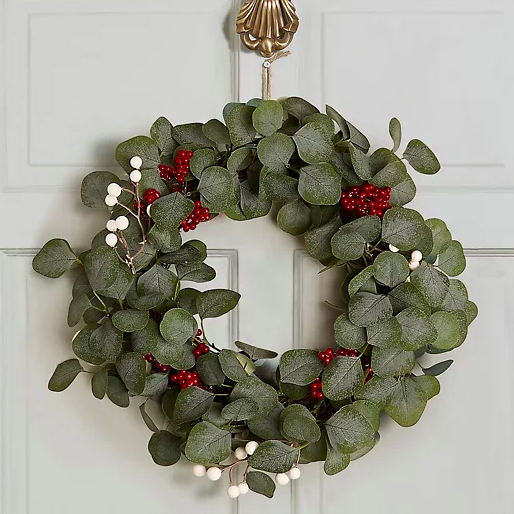
We love the simplicity of this Christmas wreath. Adorned with eucalyptus leaves, it's nestled with shiny red berries and textured snowberries.
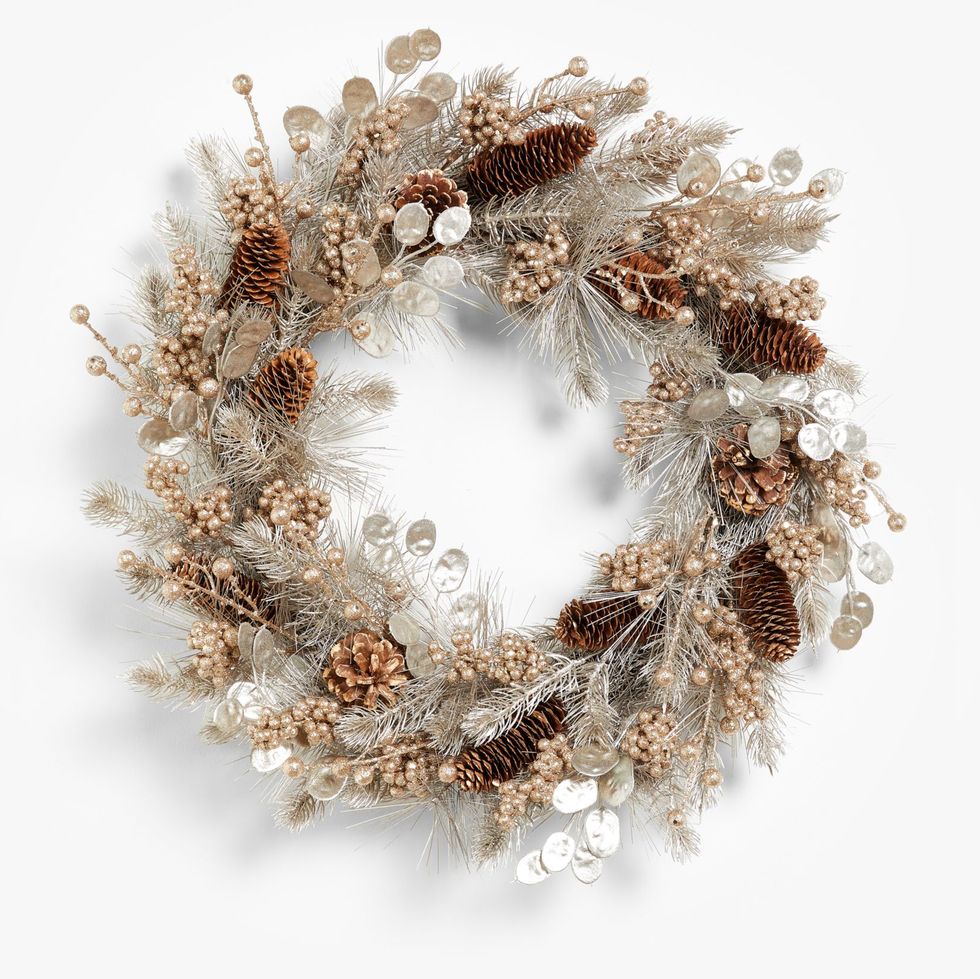
John Lewis & Partners Renaissance Wreath, Champagne
In a champagne hue, this gorgeous Christmas wreath features berry sprigs, honesty leaves and real pine cones.
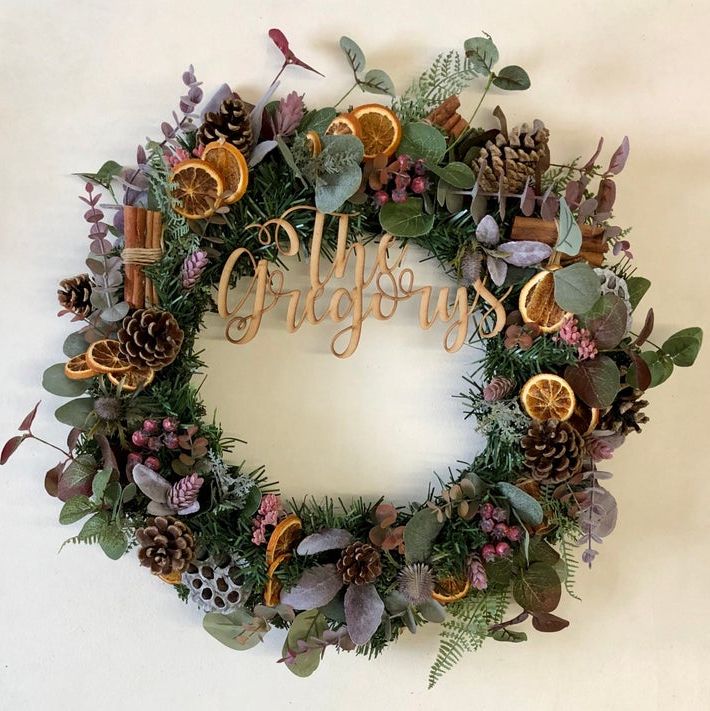
This beautiful Christmas wreath is filled with pine cones, dried orange slices, cinnamon sticks, artificial frosted berries and foliage. It comes with or without the 'Merry Christmas' laser cut MDF wording, and it can be personalised with a family surname.

Lil' Rabbitfoot Stained Glass Holly And Ivy Wreath
This holly and ivy stained glass Christmas wreath will shine bright in candlelight. Made to order, it's handmade with 3mm stained glass, copper foil and brass wire.
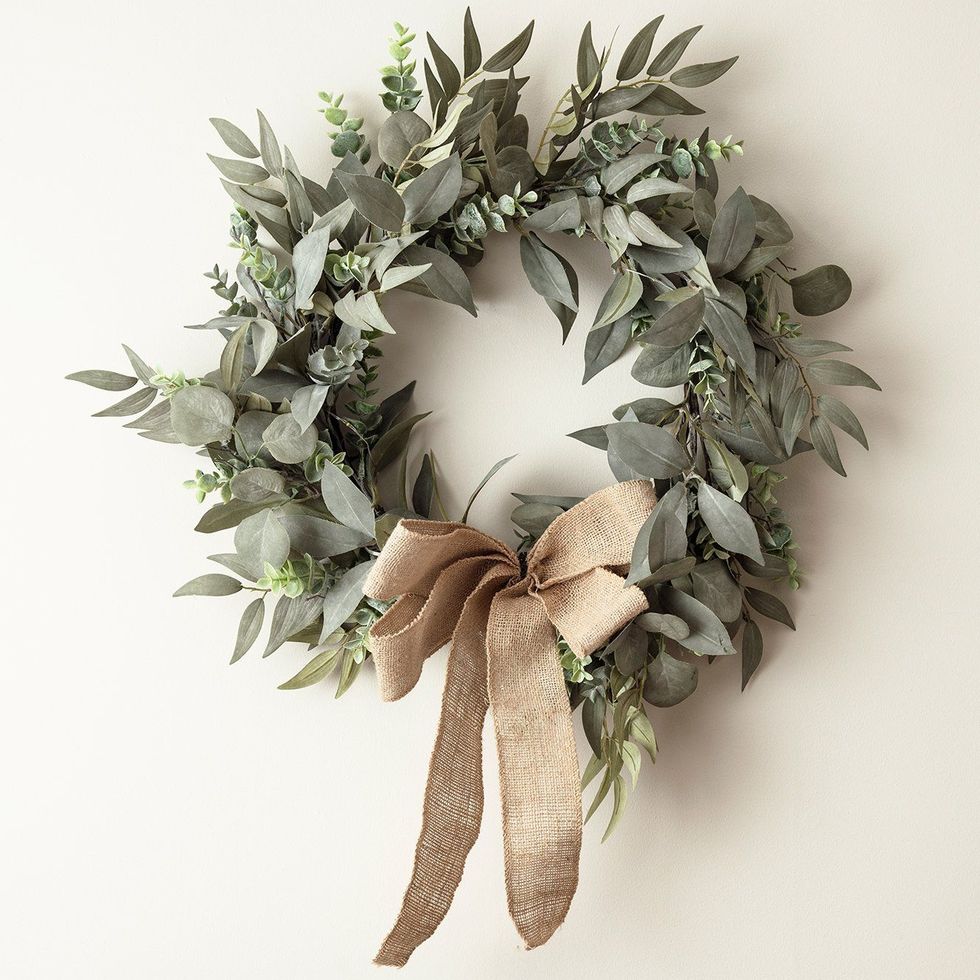
We love the pretty bow detailing on this beautiful Christmas wreath. It's perfect for hanging on your front door this season.
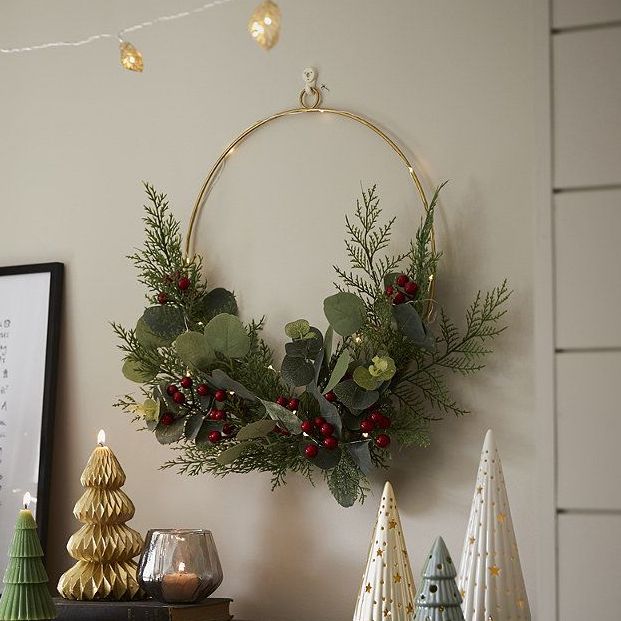
Sometimes, less is more. This affordable foliage half wreath is a beautiful addition in any home.
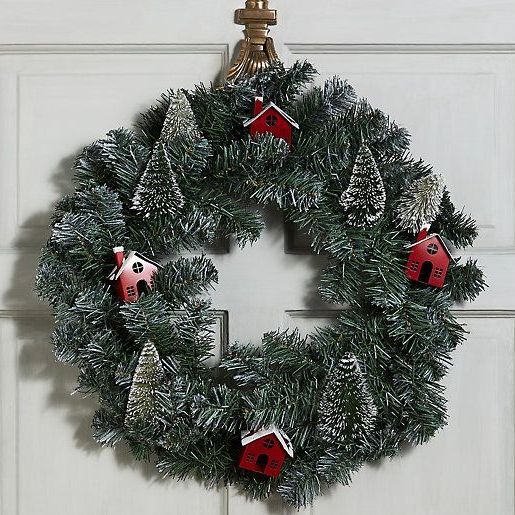
We love this Alpine-style, snow-dusted Christmas wreath. The cute red houses nestled among the lifelike conifer branches provide the perfect finishing touch.

Stylish yet simplistic, this gold acrylic Merry Christmas foliage wreath is the perfect accessory for the festive season.
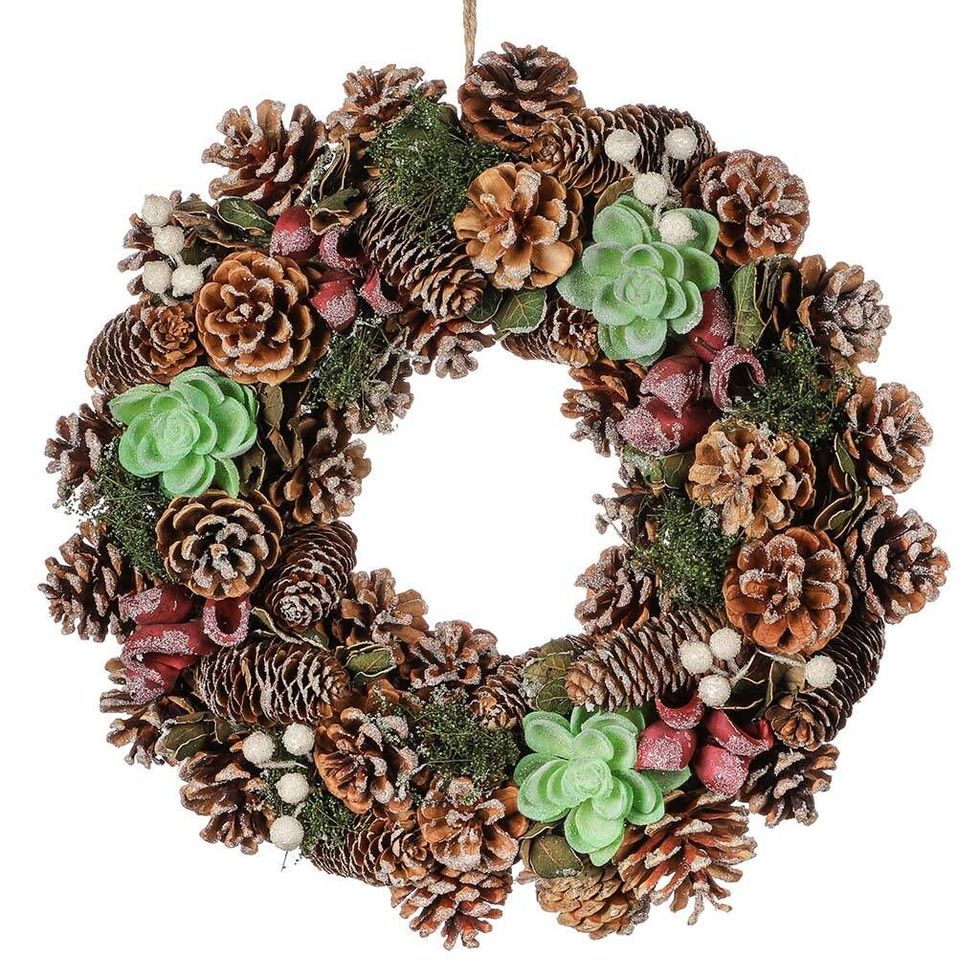
Dibor Personalised Luxury Succulent Christmas Wreath
Handcrafted in the UK, this Christmas wreath is a real show-stopper. It's decorated with large succulent blooms and real foraged pinecones, studded with frosted white berries, and finished with the sprays of forest green moss and burgundy petals.
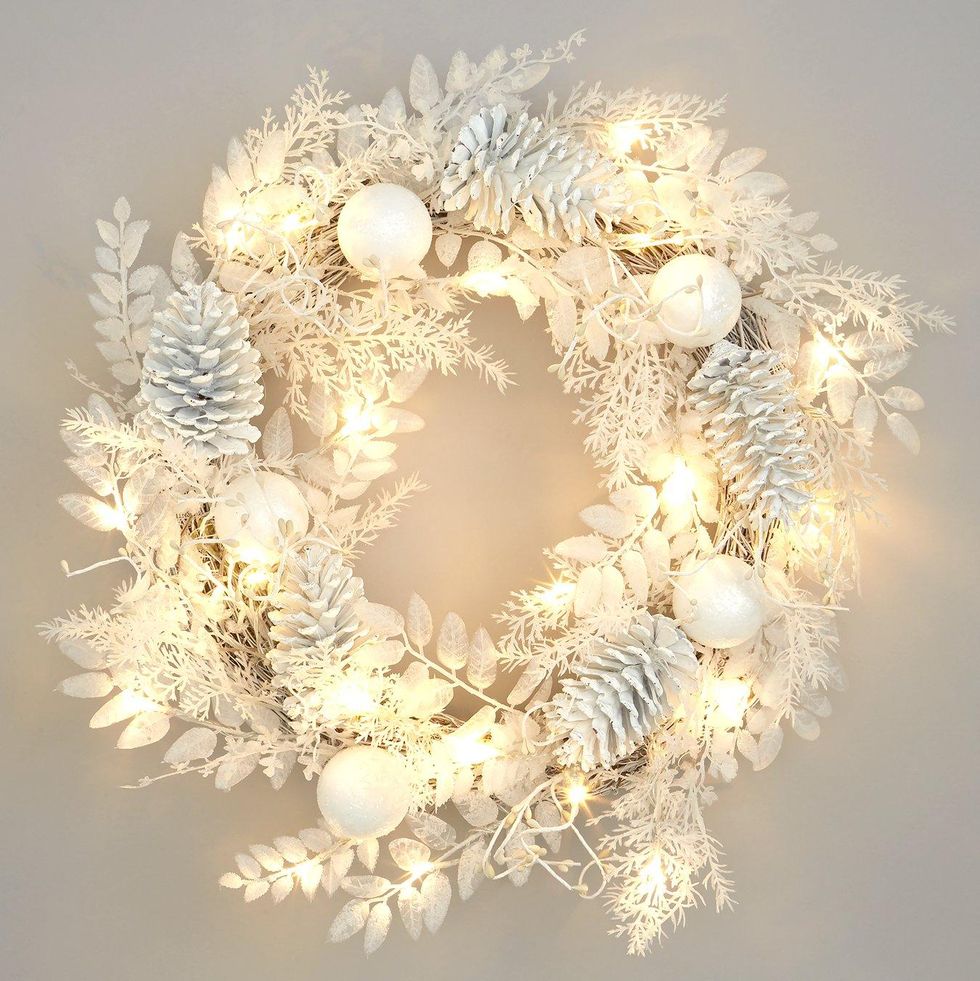
This pre-lit winter white Christmas wreath has a wonderful warming glow.

Get your home set for the festive season with this beautiful real fir and holly foliage Christmas wreath. We love the beautiful bow, pinecones and dried orange slices.
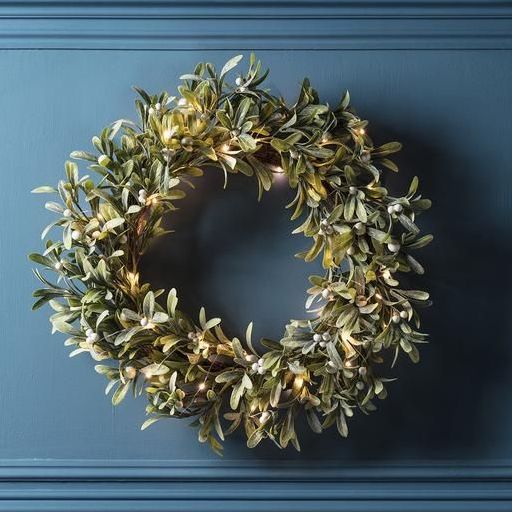
With frosted leaves and mini white berries, this artificial wreath is sure to make your days happy and bright.
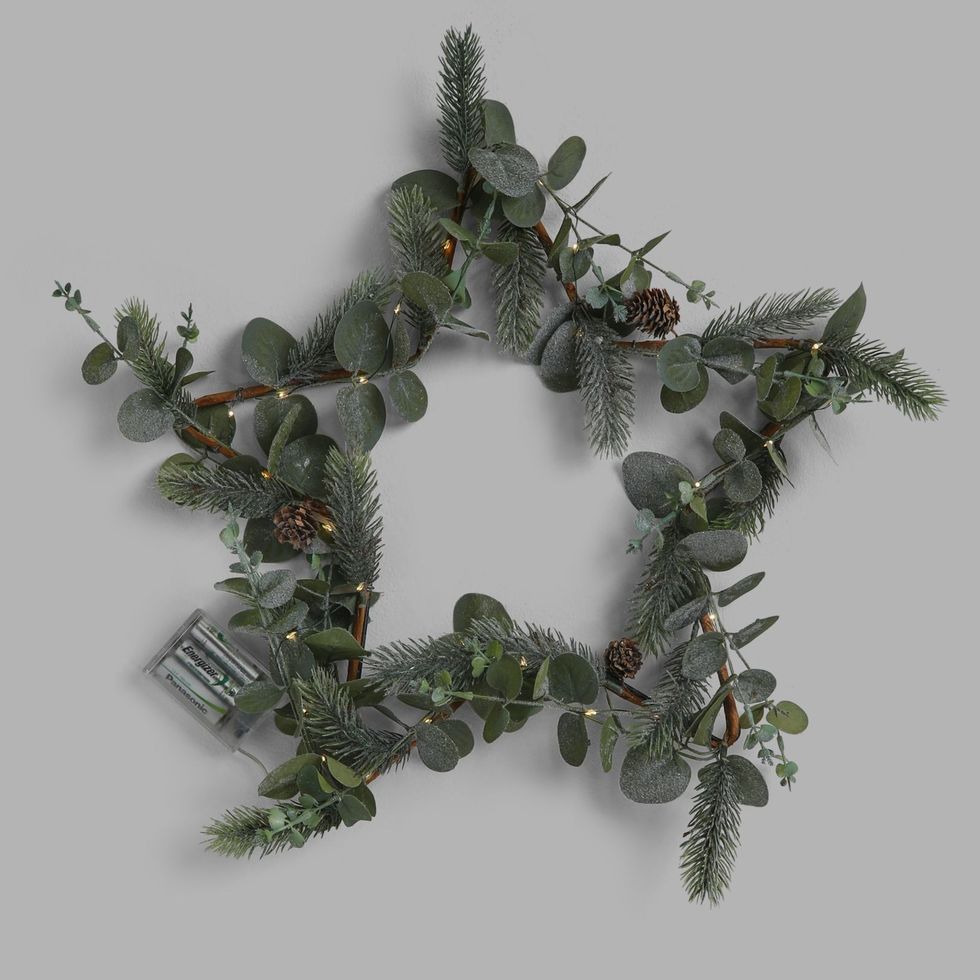
Because Christmas is never complete without festive stars...
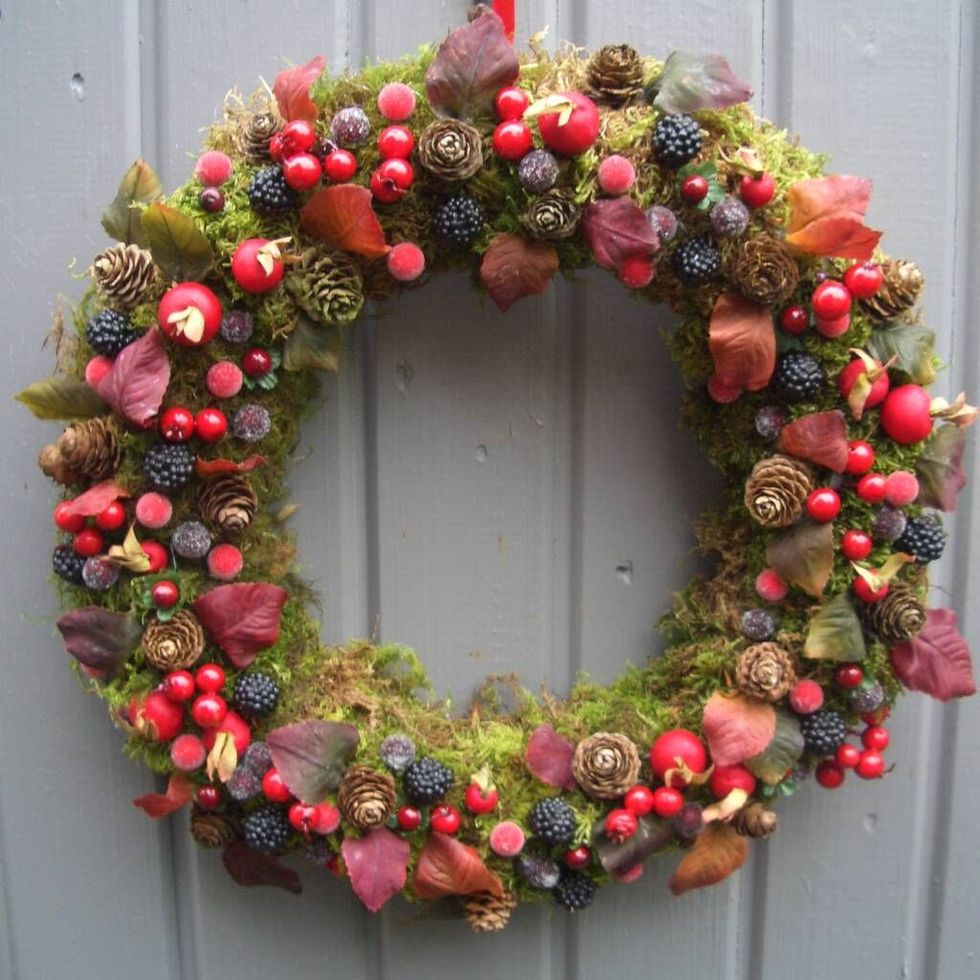
Get festive with this beautiful winter berry wreath. It's made from real larch cones, moss and beautiful artificial berries.
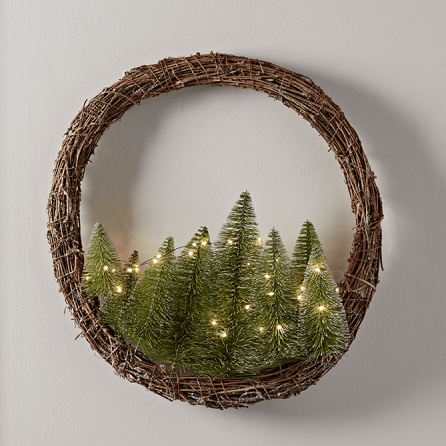
This unique style is a contemporary take on a traditional wreath. Crafted from frosted branches, the trees are lit with LED lights, providing a gorgeous festive vibe.
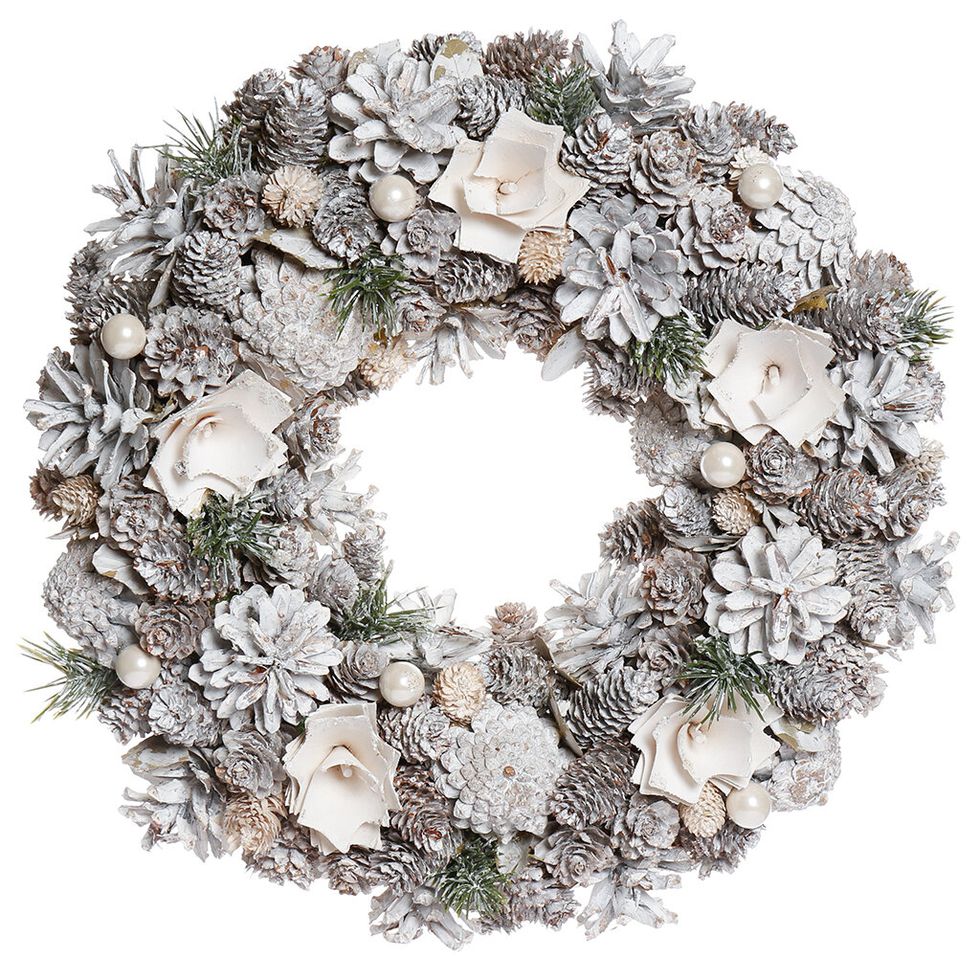
We're dreaming of a white Christmas and this frosted style from Wayfair is helping us to achieve just that.
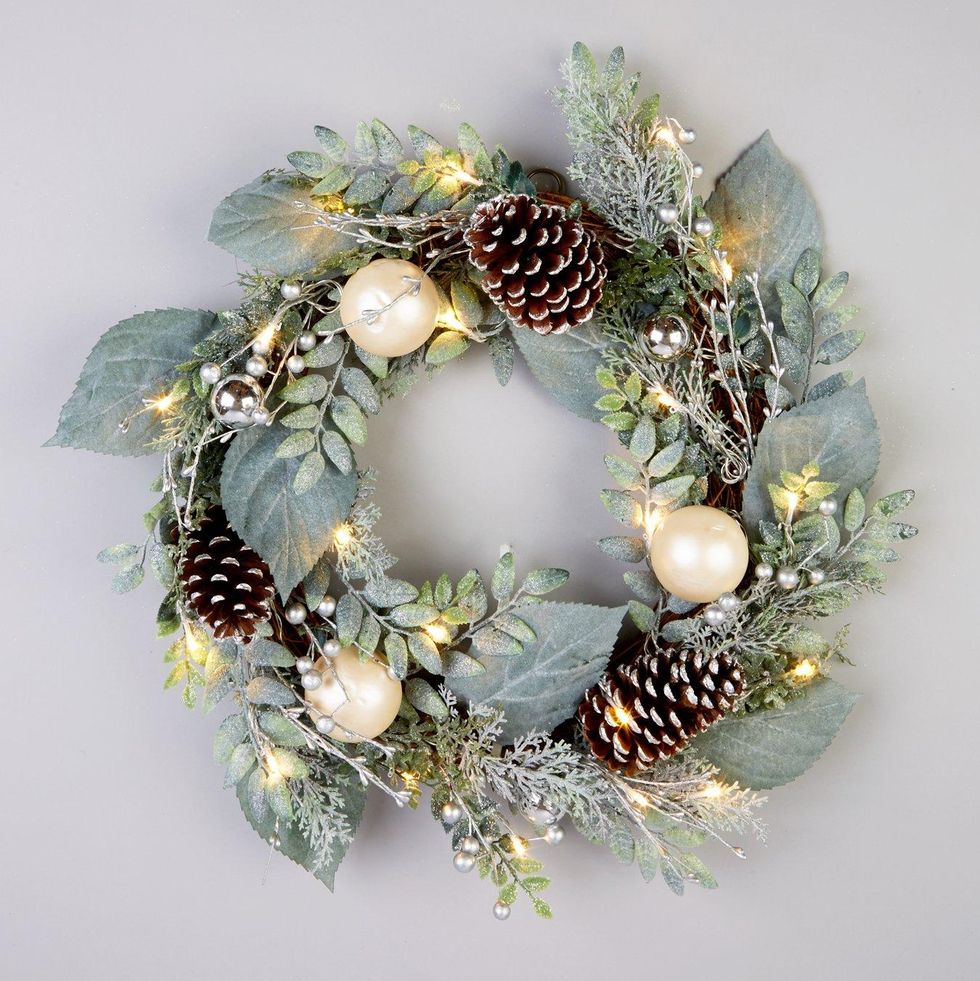
This elegant pre-lit style will complement any interior scheme. The 20 LED bulbs offer a warm inviting glow, while the silver berries add a touch of sophistication.
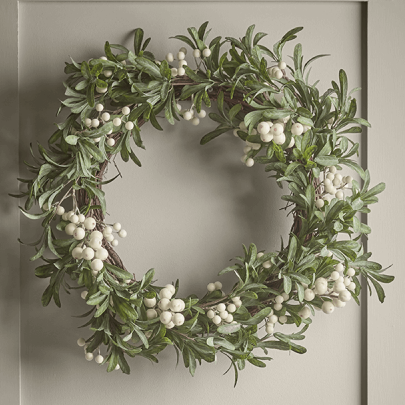
Are you on the hunt for something more subtle? Why not get your hands on this elegant wreath with characterful little berries.

Welcome guests to your home with this Nordic style light up Christmas wreath, perfect for neutral, pared-back interiors.
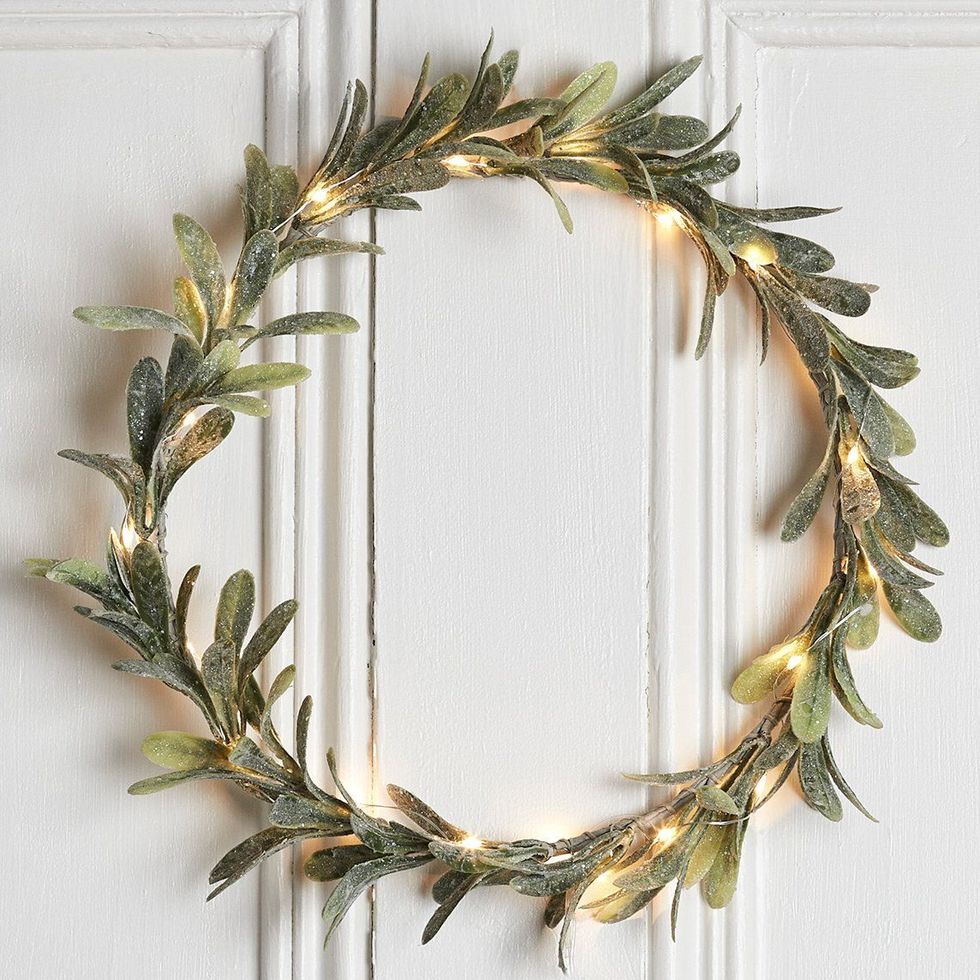
Looking for a simple style? Well this beautiful low-key wreath with fairy lights is perfect for any home.
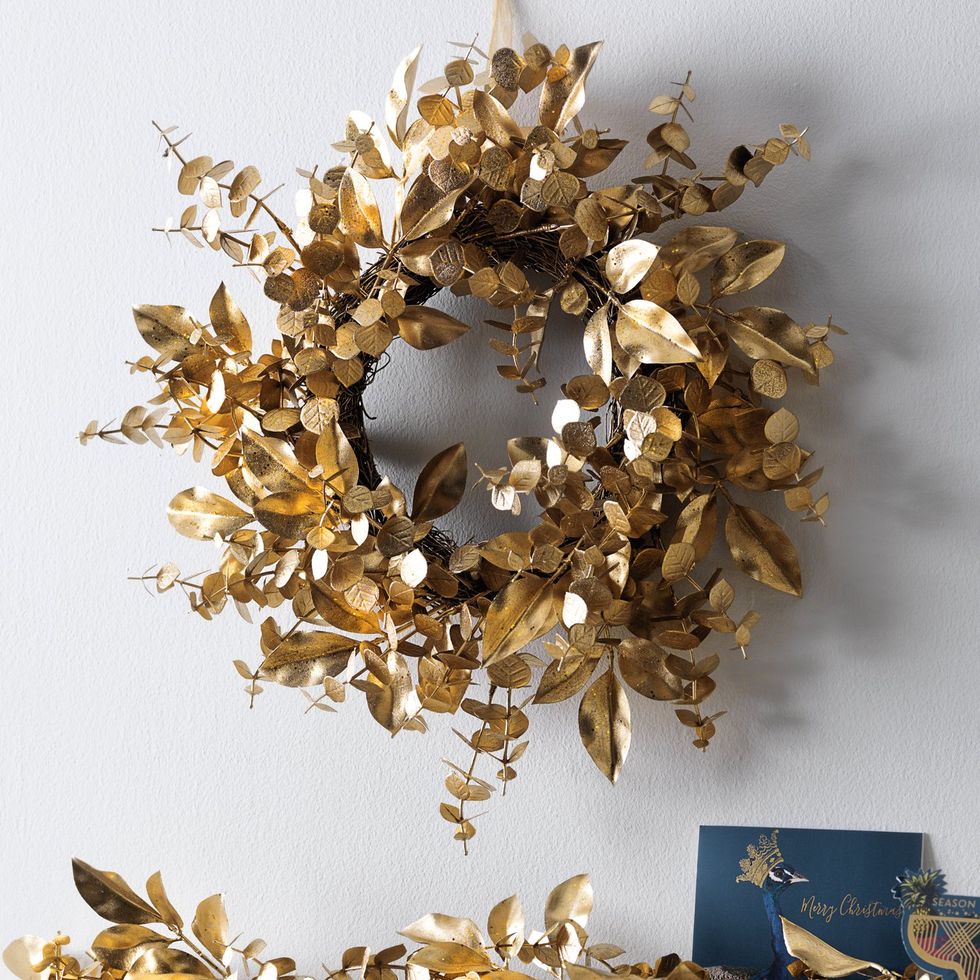
Argos Home Enchanted Christmas Gold Foliage Christmas Wreath
Create a statement at home with this gold foliage Christmas wreath.
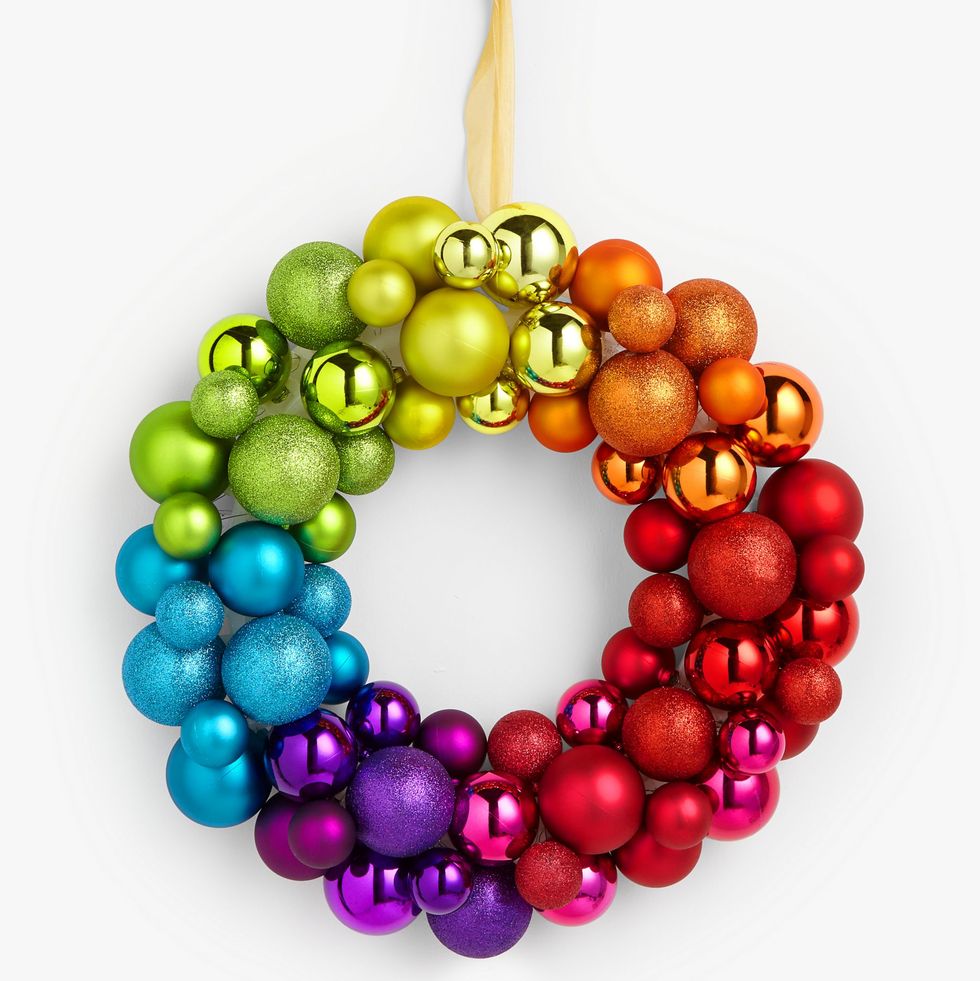
Add a pop of colour to your home with this playful rainbow bauble wreath from John Lewis.
READ MORE: John Lewis reveals its top 7 Christmas decorating themes for 2020
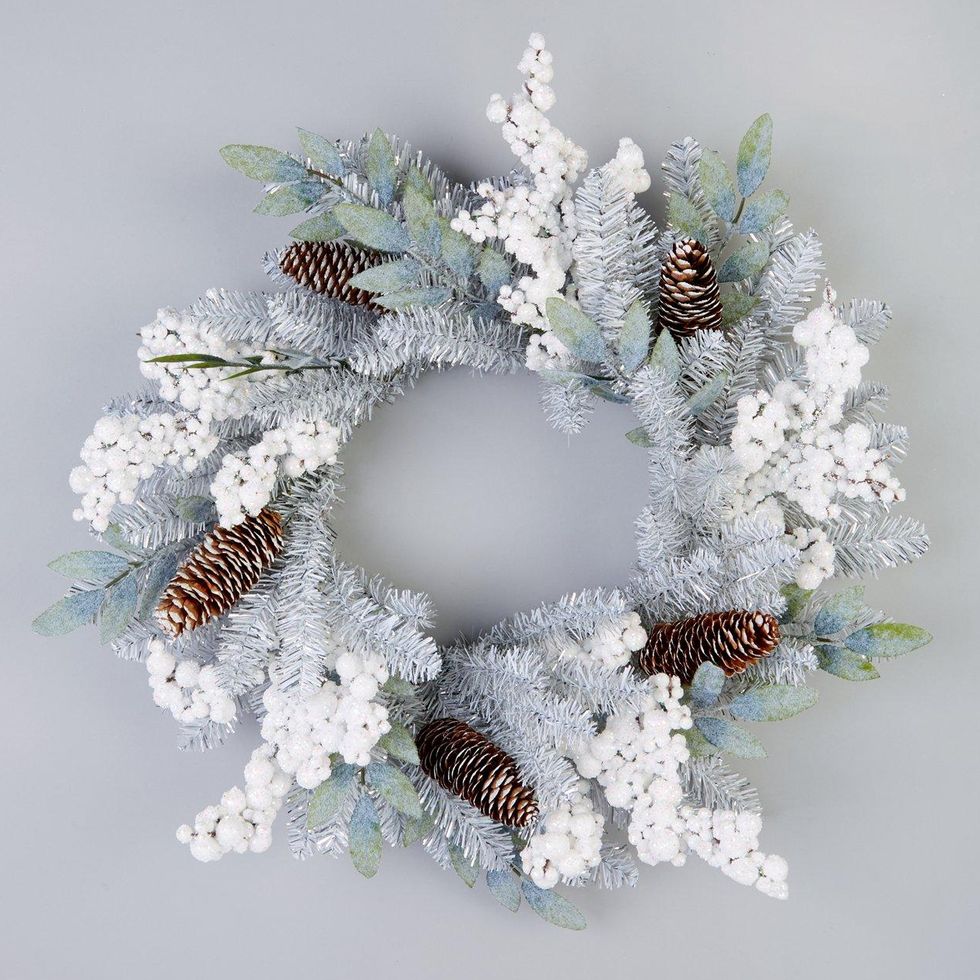
We love this soft white and silver Christmas door wreath, and the white rim pinecones are all the more striking.
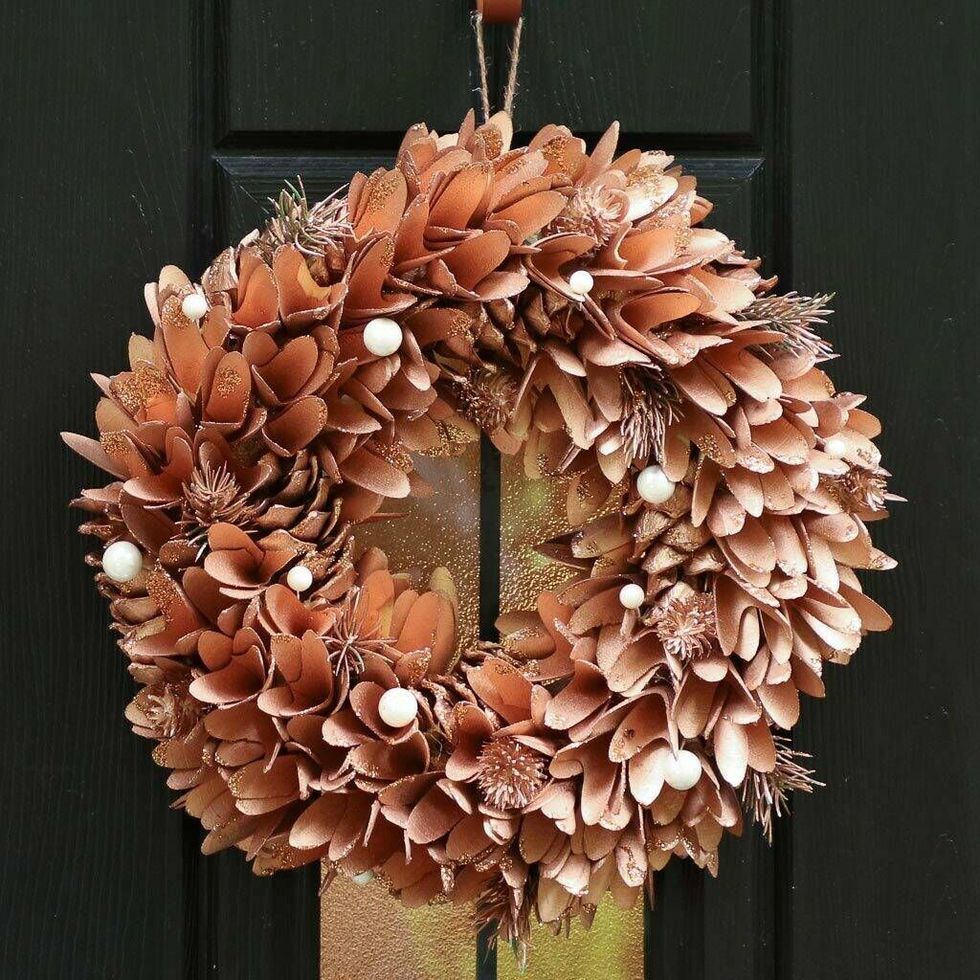
In a gorgeous copper colour, this beautiful wreath is packed with gilded crocus leaves for a touch of sparkle. Hang on your door or alternatively, place in the centre of the table for a unique display.


