Loved ones will finally be allowed to hug again from Monday 17th May, Prime Minister Boris Johnson confirmed as he announced further easing of restrictions in England.
After more than a year of social distancing measures, many of us will be craving a cuddle from those we love outside our bubbles. Whether you're planning to hug your mum again or are counting down the days until you can hold your grandfather close, the power of an embrace can make everything feel better — and give our immune system a healthy boost, too.
As we get ready to embrace friends and family again, take a look at the physical and mental benefits of being able to hug again...
1. Hugging releases feel-good hormones
Hugs are more than just a friendly greeting — they can be a surprisingly powerful health booster. According to research conducted by Medicine Net, hugging releases feel-good hormones such as dopamine, serotonin and oxytocin — a love hormone which helps to relieve stress and boost heart health.
In fact, their study found that a 10-second hug can help the body ease depression, while a 20-second hug tempers the stress of conflict, relieves blood pressure, and ensures a healthy heart. When these hormones are released into our bodies we experience feelings of happiness, relaxation, overall mood improvements and lower symptoms of depression.


2. Hugging strengthens our relationships
Over the past 12 months, our interactions with loved ones altered, with many of us unable to hug people outside of our social bubble. According to integrative neurologist Ilene Ruhoy, M.D., Ph.D., hugging promotes closeness between people, helping to strengthen a relationship.
"The physiologic changes that accompany the human touch are thought to be related to an exchange of energy in the form of electrons," Ilene tells MDG. "The act of hugging also releases oxytocin stored in the pituitary gland, which is often affectionately referred to as the 'love hormone' because it helps us bond with our newborns. That feeling of love, familiarity, and fellowship is why we have the instinct to hug our children, our parents, and our friends."
3. Improved psychological wellbeing
Have you ever felt like a hug has improved your mood after a stressful day? According to a 2015 study, people experiencing distress who received a hug from a loved one felt more support. Hugs might be a simple act of affection, but they carry the power to boost not only our mood, but our psychological wellbeing, too.
4. Hugs can lower heart rate and blood pressure
A daily dose of hugging can also lower heart rate and blood pressure, a study from the University of North Carolina found. In the research, those who received a hug had lower blood pressure and heart rate, with lead authors believing that oxytocin (a hormone which plays a role in social bonding) might be the cause for their better health.
5. Hugging can make us feel calm
Hugging is proven to make us healthier, happier and calmer. As well as being able to ease levels of anxiety, hugging creates a feeling of relaxation, due to the increased levels of oxytocin and serotonin (which produce a feeling of safety and trust). If you've had a challenging day, why not make sure to get in a much-needed hug.
6. Hugs can reduce loneliness
According to a study, 25 million people in the UK reported feeling lonely or disconnected during the pandemic. Humans thrive on physical connection, with hugging being one of the most powerful ways to show support and love.
Something as simple as a hug may help change negative moods by boosting these feel-good hormones (dopamine), ultimately reducing feelings of loneliness and physical effects of stress.

7. They can increase your self-esteem
Need a mood-boost? Hugging provides a feeling of safety, love and security, meaning it will help to increase your self-esteem.
"Research has shown that hugging can help to minimise negative feelings and support a more positive state of mind. In fact, a study found that participants who received more physical touch from their partners experience better mood and psychological wellbeing over time," specialists from Delamere Health Manchester say.
Like this article? Sign up to our newsletter to get more articles like this delivered straight to your inbox.
SIGN UP
Looking for some positivity? Get Country Living magazine posted through your letterbox every month. SUBSCRIBE NOW
22 stylish, sustainable homewares pieces
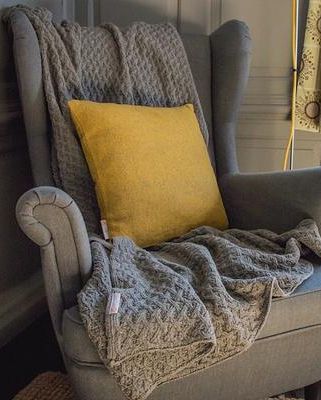
Hemming & Wills Zig Zag Square Recycled Wool Cushion
Forget what you thought about scratchy, recycled fabrics – these wool cushions are really comfy to snuggle up with. Choose from a denim blue or ochre tone, but we'd recommend the yellow as it really draws your eye. Your sofa will look much more cheerful as a result.
Why's it eco? The cover is made from recycled wool clothing and the cushion pad is filled with an eco-friendly polyester made completely from post-consumer recycled plastic bottles.
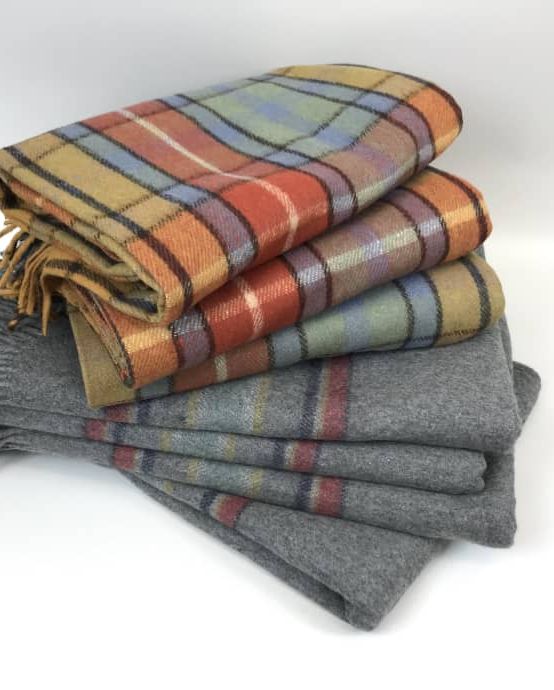
The Tartan Blanket Co. Recycled Wool Blanket
Every home needs a good wooly blanket – use it to wrap up in on your armchair on a winter's evening, as a picnic blanket in the summer or as a decorative throw for your sofa. You don't even have to faff about with hand-washing either, as these go straight in the machine – impressive.
Why's it eco? Each blanket is made from material that would otherwise go into landfill, with at least 70% being wool.
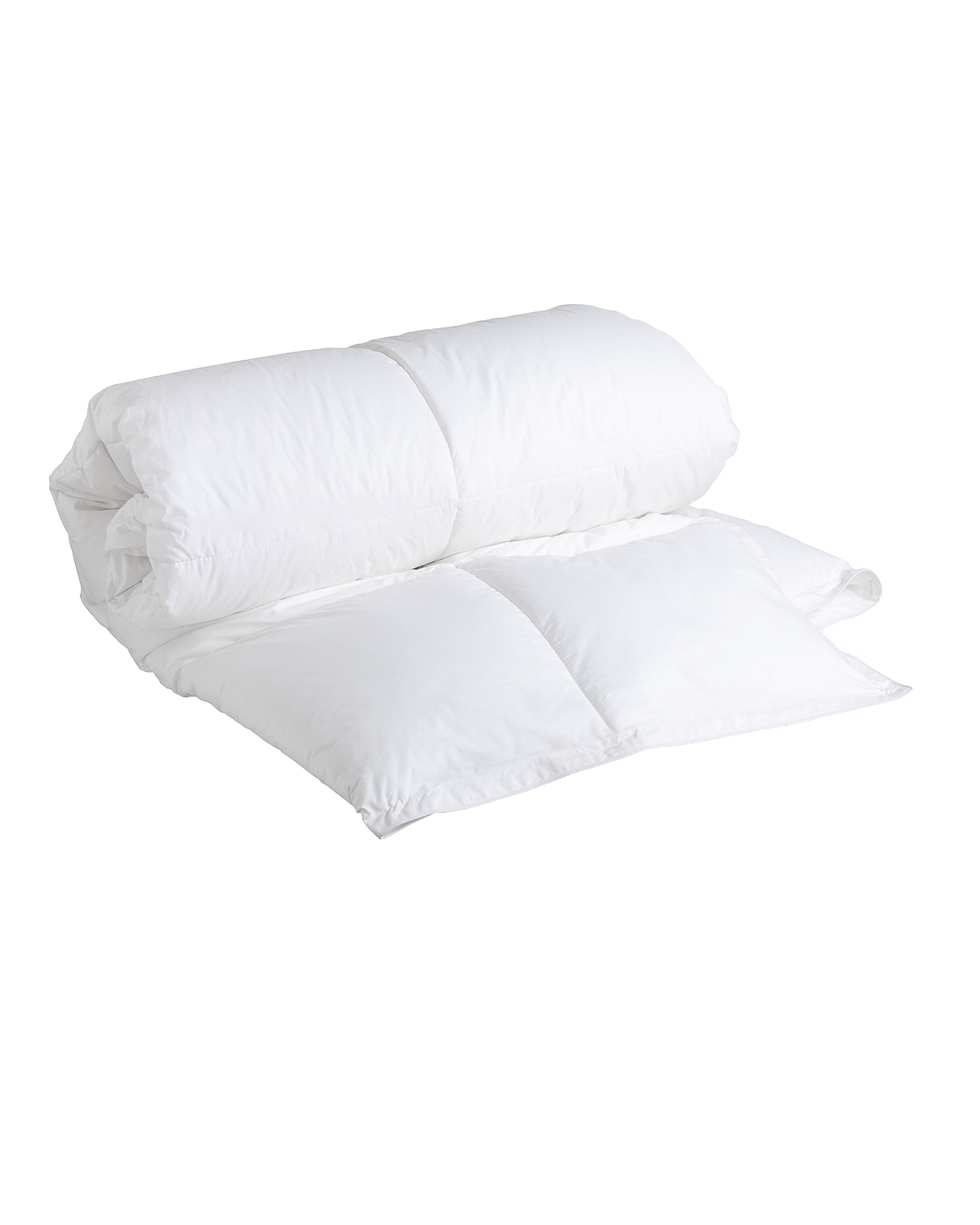
Soak & Sleep ReDown Recycled Feather & Down Duvet
Forget stuffy polyester or commercially farmed down duvets – this is a far more sustainable choice. Stock up on two or three so you're sorted for all seasons; they're available in a light and airy 4.5 tog up to a thick and luxurious 13. We know it's still chilly outside, but if you're savvy and invest now, you can get the lightest version for 25% off.
Why's it eco? It's filled with GRS-certified recycled feather and down.
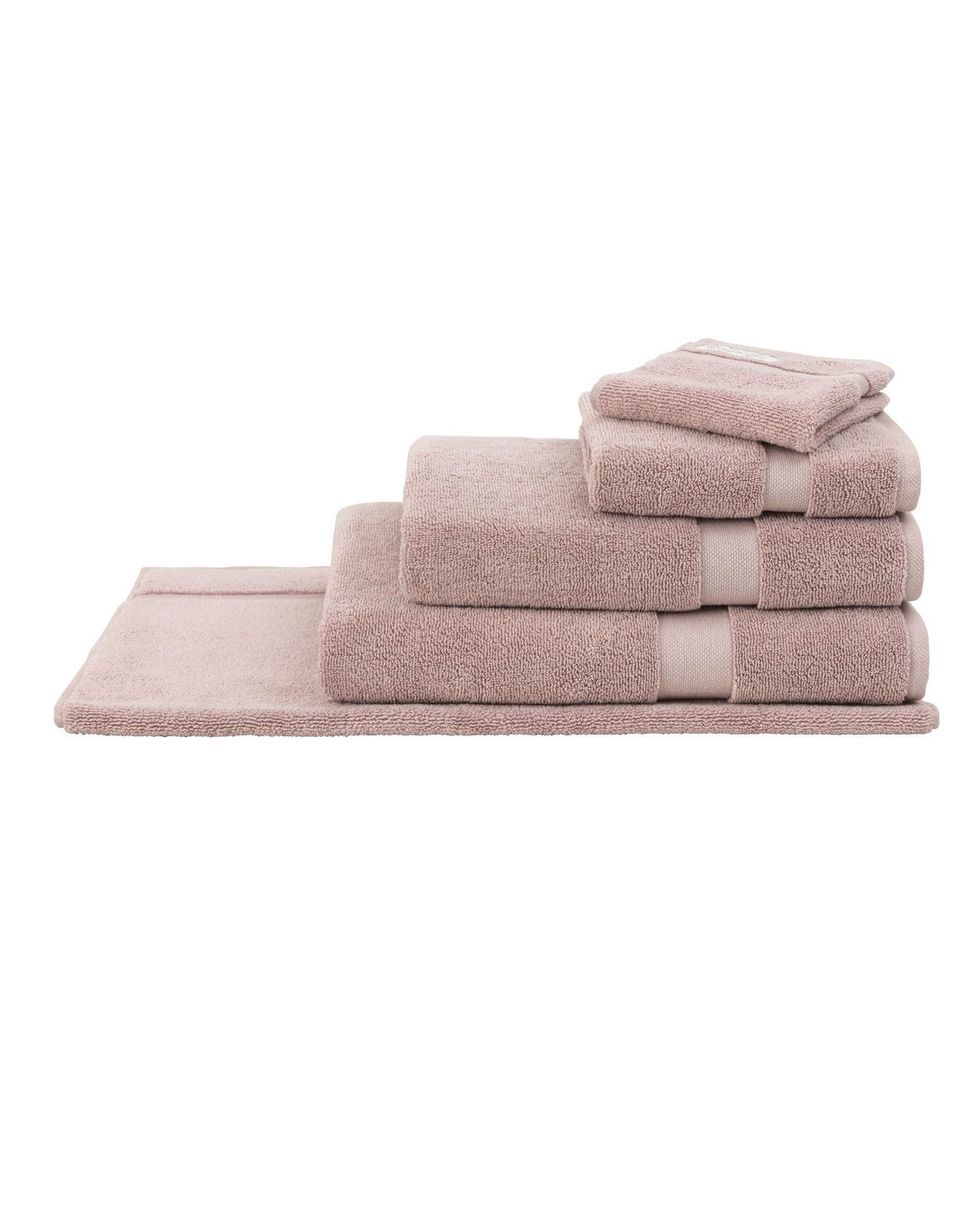
Sheridan Eden organic cotton towel collection
When your current towels have reached the end of their life, recycle or donate them and then replace them with a set of these quality organic cotton ones instead. They're super soft and fluffy; we tried the bath sheet and it's a real treat. Even better, they're currently on sale, so now's the time to stock up. Choose from dusky pink, black, grey or ivory.
Why's it eco? These towels are made from GOTS-certified (that's the highest standard possible) organic cotton. Among other credentials, that means that no nasty chemical fertilisers or pesticides were used to grow it.
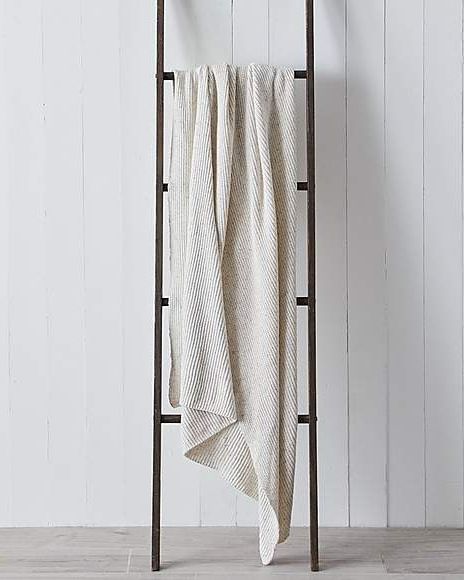
Dunelm Thea Recycled Knitted Throw
We love this Dunelm throw. Not only is it completely affordable, but it comes in a choice of eight different colours. We opted for the Mink shade, which is a lovely warm neutral that works well with the pastel pink tones in my bedroom.
Why's it eco? It's made entirely from recycled materials – 51% upcycled cotton and 49% recycled polyester
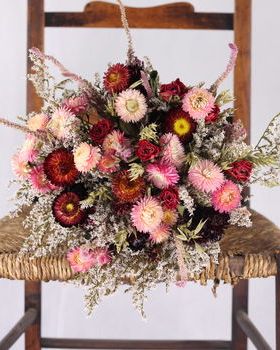
Cottage In The Hills Autumn Skies Dried Flower Posy
Adding a bunch of flowers to your dining table, chest of drawers or console table is such an easy way to boost the mood of a room, but the cost of your weekly bouquets can soon add up. Opt for an (equally lovely) dried version instead and enjoy them for far longer.
Why's it eco? Rather than buying a fresh bunch every week (and all the plastic wrapping and intensive farming that involves) these should last for at least a year, so long as they're well cared for. A worthy investment.
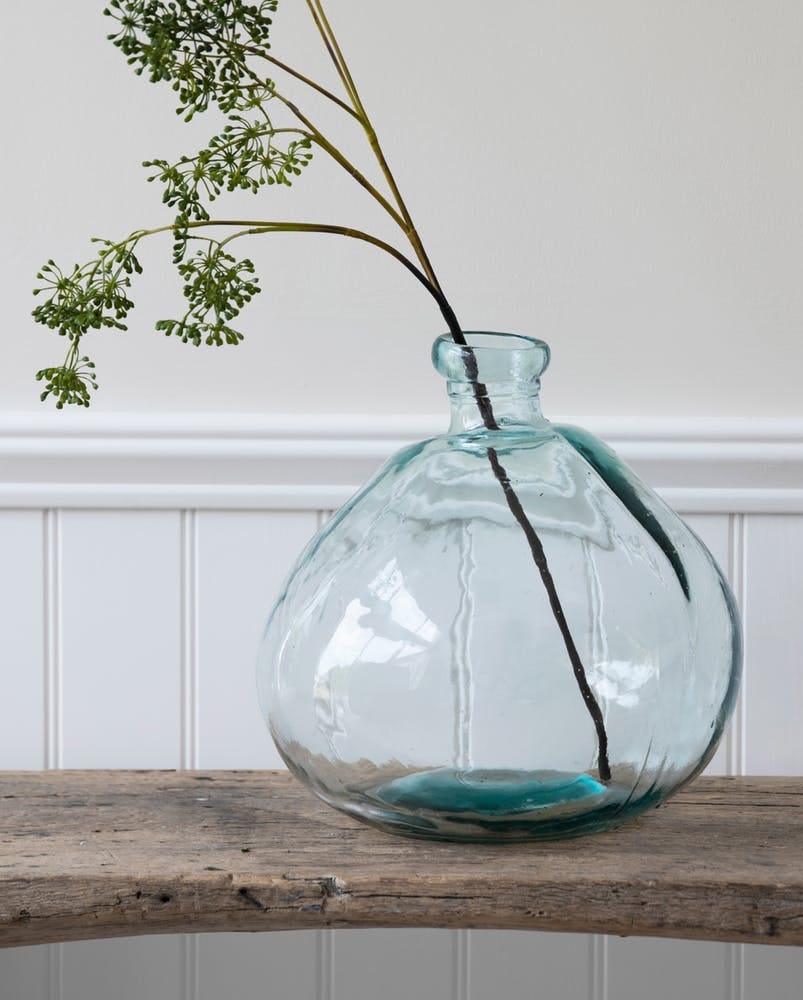
Garden Trading Wells Bubble Vase, Wide
This elegant vase has a pale blue tone that will make for a soothing addition to your dining table or dresser top.
Why's it eco? It's made from 100% recycled glass.
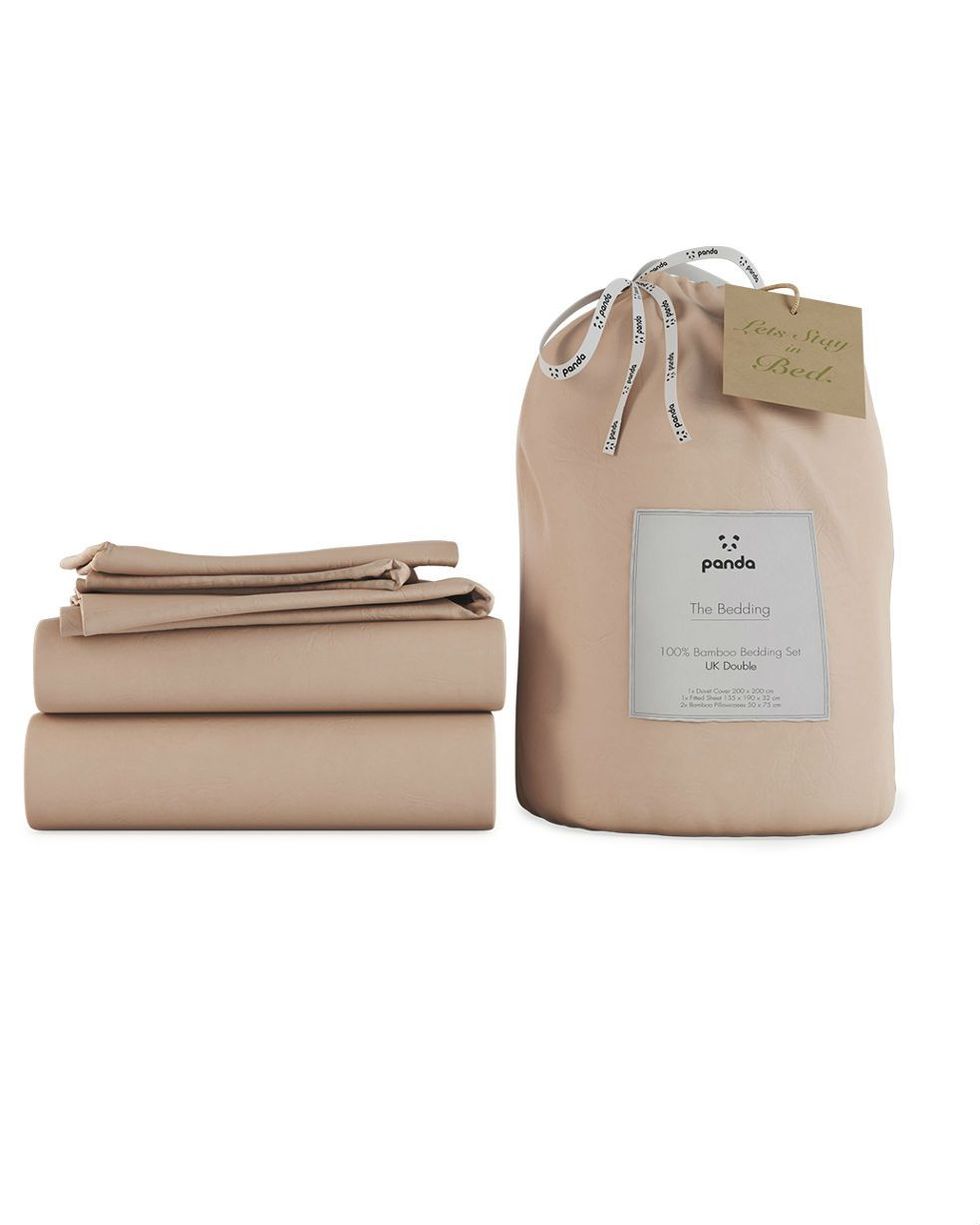
Panda Vintage Pink Bamboo Bedding Set, Double
This cosy bedding set comprises a sheet, duvet cover, two pillow cases in a matching dust bag. Our favourite is this dusky pink set but it's available in four other colours too.
Why's it eco? It's made from 100% bamboo (yes, even the buttons), which is a highly sustainable resource as it's one of the fastest growing plants on the planet. It also only needs a third of the amount of water needed to grow thirsty cotton plants.
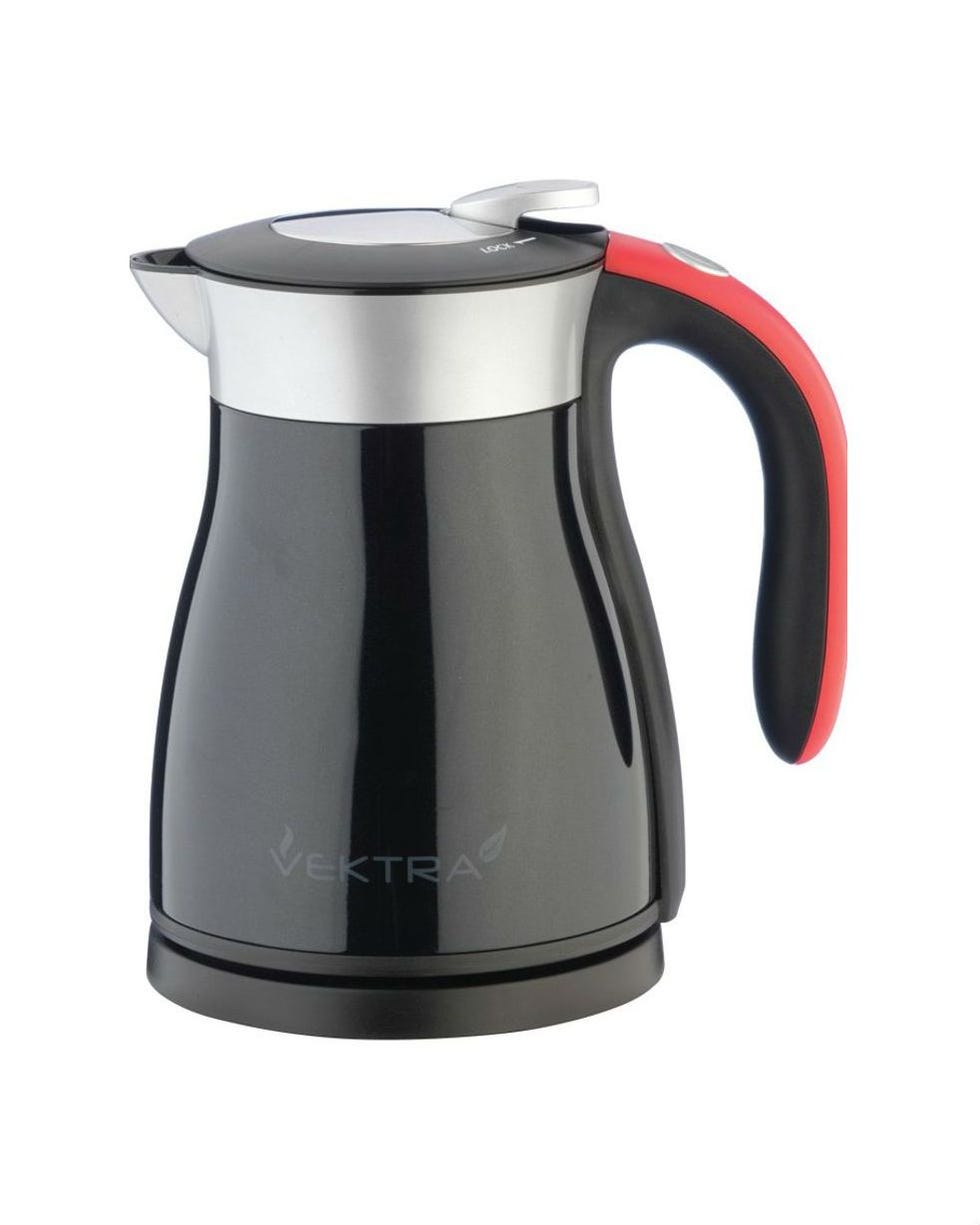
Vektra Vacuum Eco Kettle
We all know not to overfill the kettle when we use it, but still, we often find ourselves with a couple of mugs of water leftover after making our morning cuppa. This innovative kettle keeps water hotter for longer after boiling, preventing the need to reboil for your next top-up.
Why's it eco? This kettle has vacuum flask technology that boils water efficiently then keep it hot for up to four hours – so you're not continuously re-boiling, saving money, time and energy.
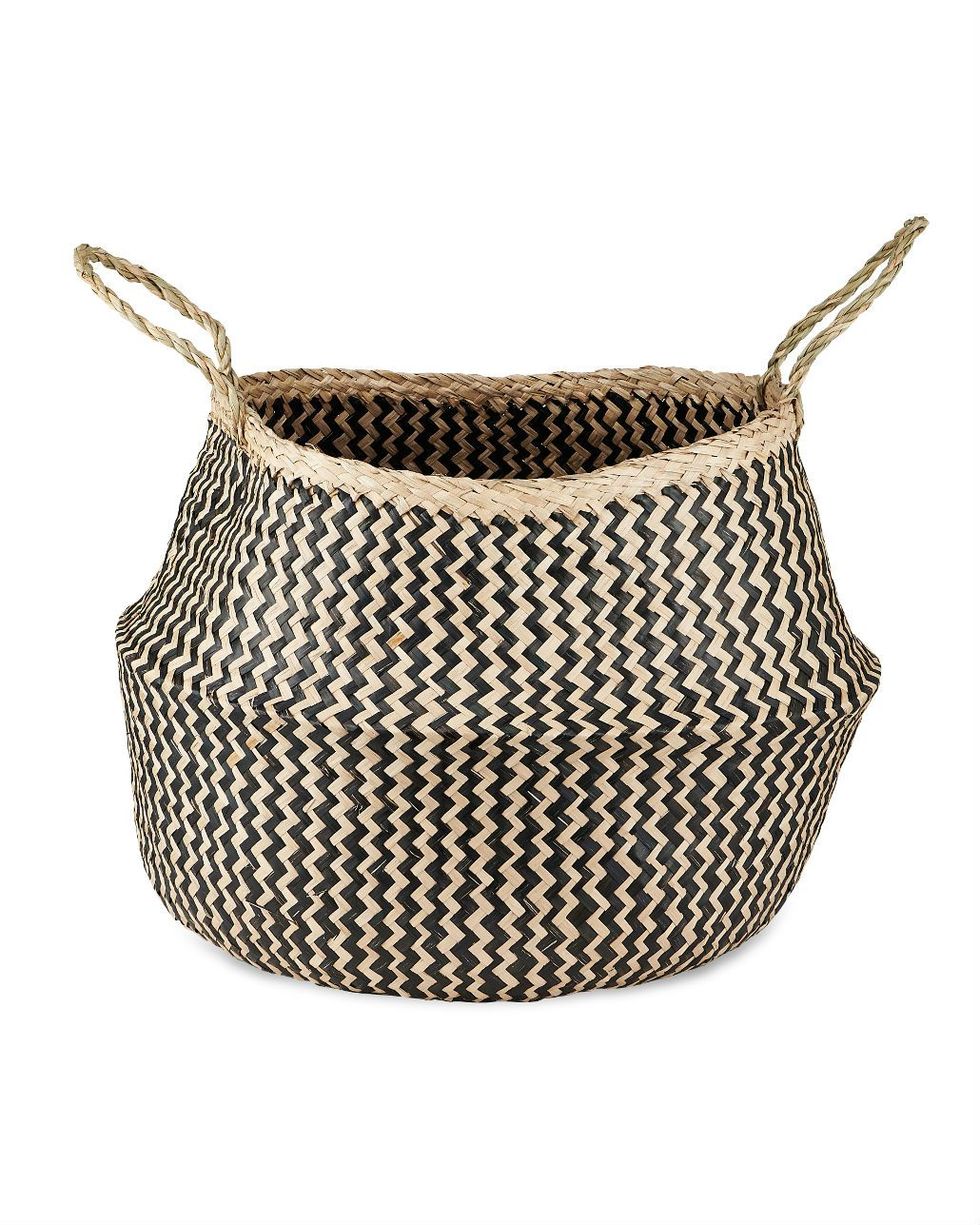
Natural Collection Black & Natural Ekuri Seagrass Basket, Large
Use these decorative baskets to store blankets and other bits and bobs in, or use them as a pot cover for your favourite house plants. Do remember to use a normal pot inside, as well though, to avoid them getting grubby or water leaking through!
Why's it eco? They're handmade to Fairtrade standards from sustainably-sourced seagrass (which is totally biodegradable).
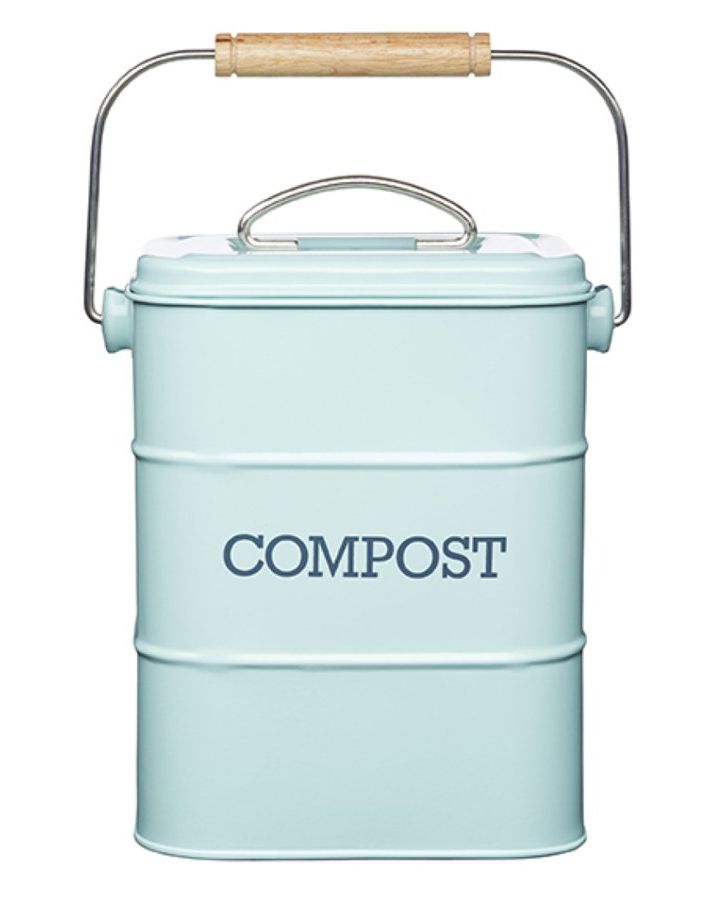
Living Nostalgia Vintage Blue Compost Bin
This powder-blue composter is much prettier than your standard-issue council brown food waste bin, so it won't look unsightly in your kitchen. There's also an in-built filter to help keep bad smells to a minimum.
Why's it eco? So the materials themselves may not have any extra-special sustainability credentials, but being able to pop all of your food waste in here rather than your rubbish bin helps to reduce the amount of waste going into landfill and put it back into your garden instead.
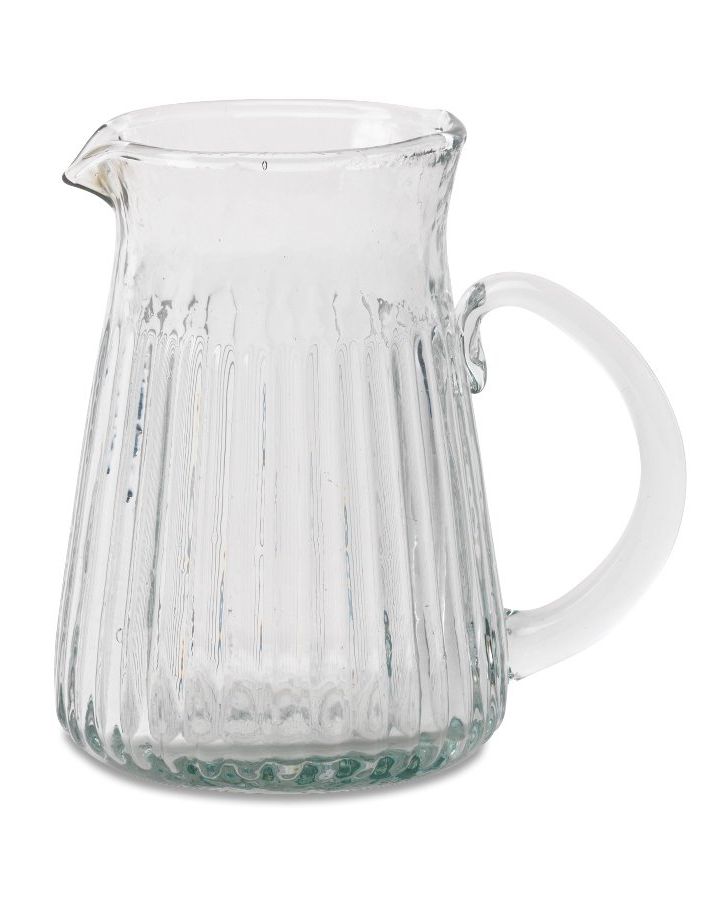
Nkuku Ruri Recycled Glass Jug
This ornate jug will serve you well throughout the summer months for many glasses of Pimms. Snap it up now, as it's currently on sale.
Why's it eco? Recycled glass, on average, uses 30% less energy to make then virgin glass – and this is 100% recycled.
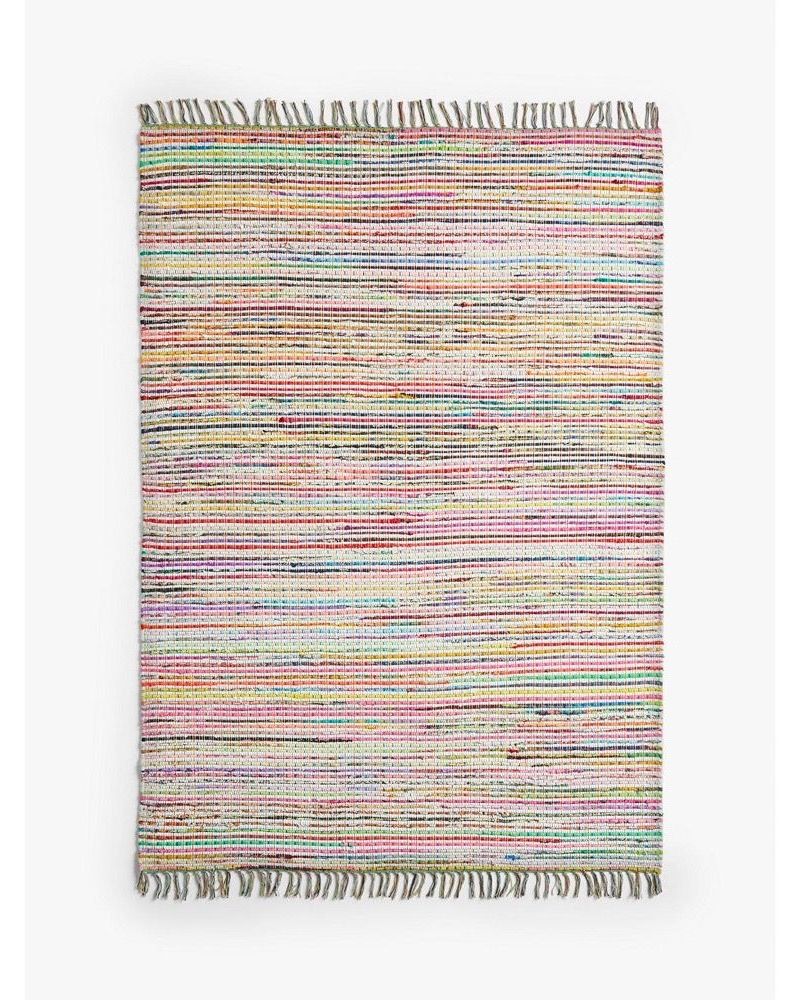
John Lewis & Partners Recycled Cotton Chindi Rug
Add a splash of colour to your living space with this vibrant rag rug – we think they'd look good in a dining or hallway area.
Why's it eco? The cotton in the rug is recycled.
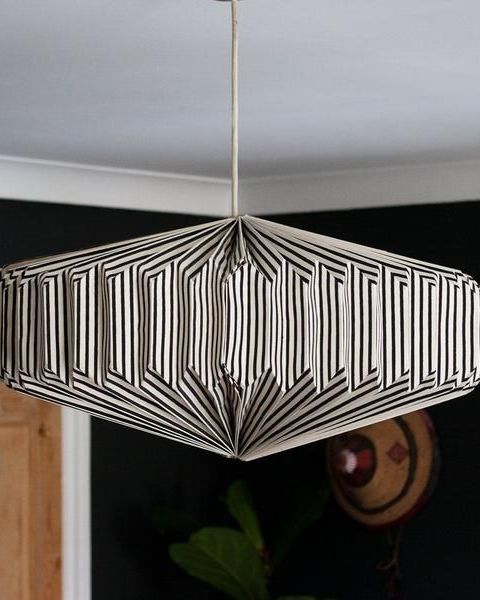
Trouva Indian Recycled Paper Saucer
So it's a bit unusual, but this paper lampshade is a guaranteed talking point – it's certainly a far cry from the dusty paper globe shades that adorned your student digs.
Why's it eco? It's made from 100% recycled paper and there's no plastic bulb holder
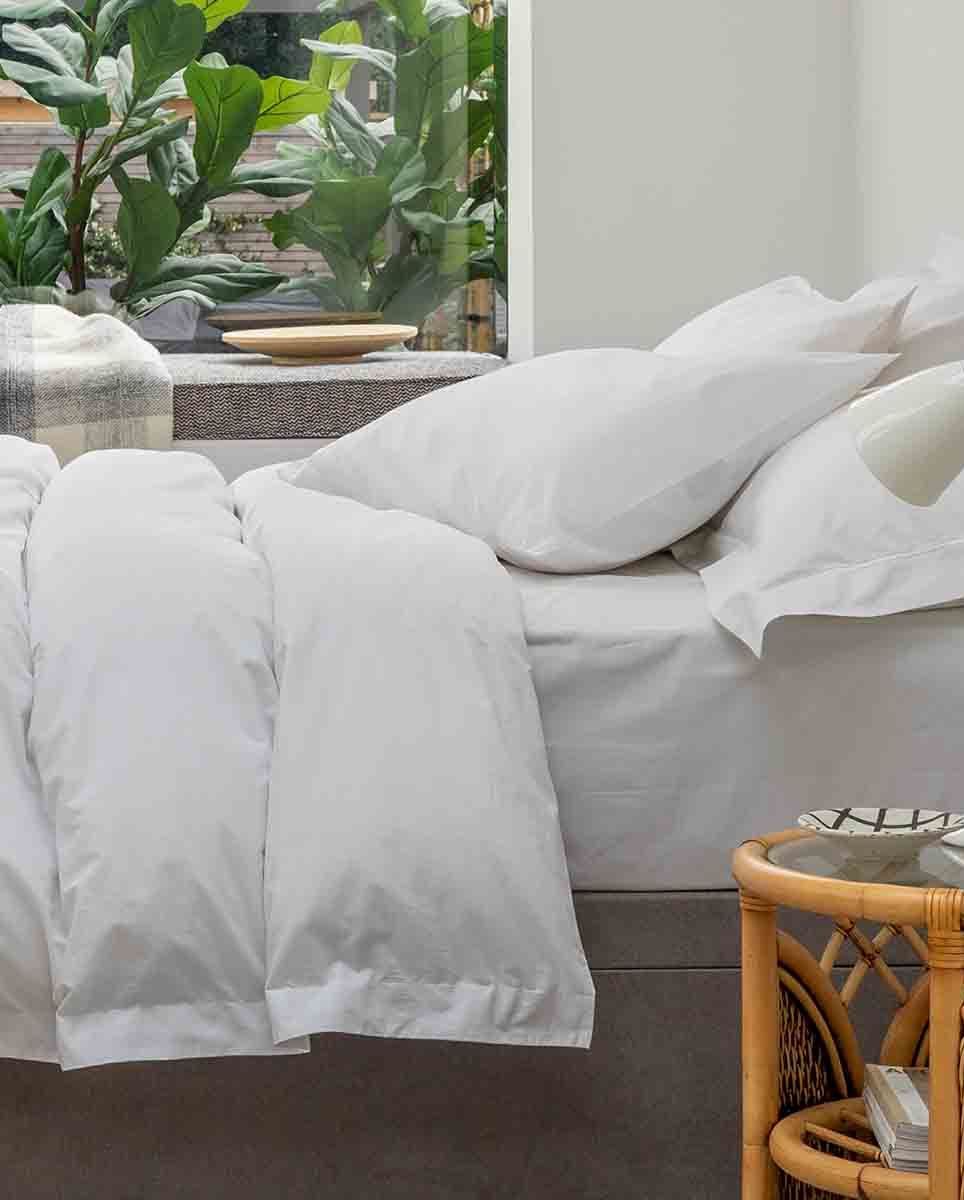
Soak & Sleep's all-white bedlinen will create a hotel-style sanctuary in your own home – and you can sleep even more soundly knowing it's made from planet-friendly organic cotton.
Why's it eco? The cotton is organic, so no chemical pesticides were used throughout the production process
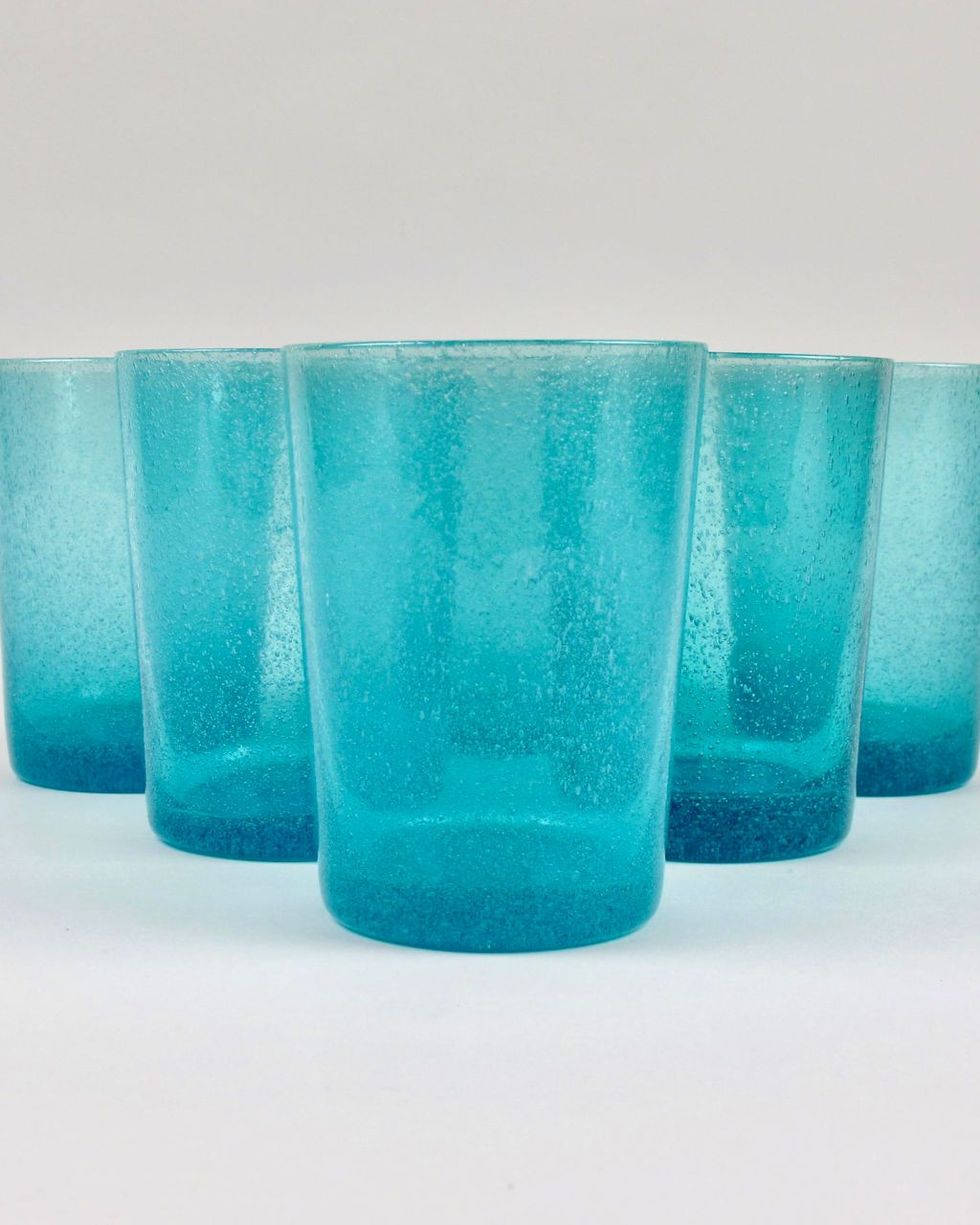
British Colour Standard Set of 6 Recycled Glass Tumblers
If you've accidentally dropped one too many glasses and your selection is looking a bit thin, replenish your stash with this bright and beautiful set of six.
Why's it eco? They're made from 100% recycled glass.
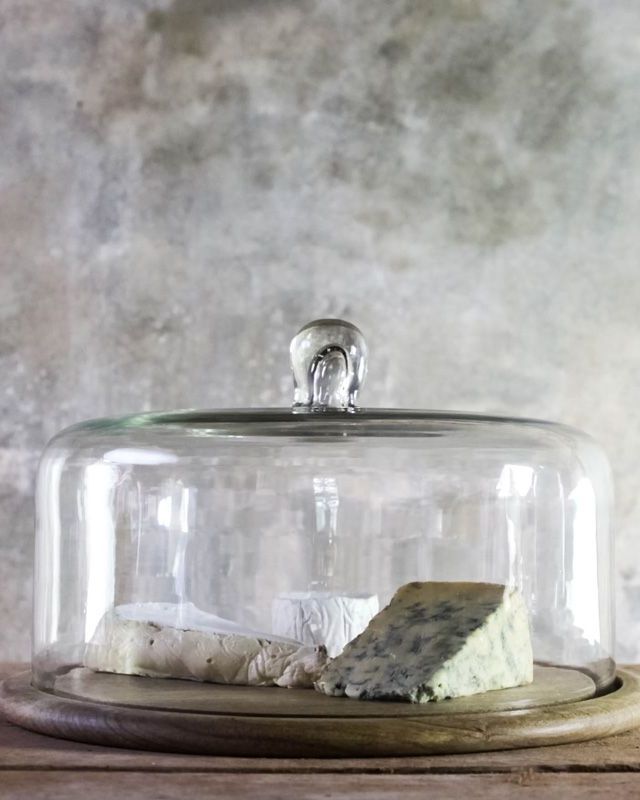
Nkuku Recycled Glass Cake Dome
Keep cakes, cheese and other treats safely away from flies under this glass cake dome, which makes for a beautiful decorative piece in its own right.
Why's it eco? The glass is completely recycled and the base has been made from sustainably-sourced mango wood.
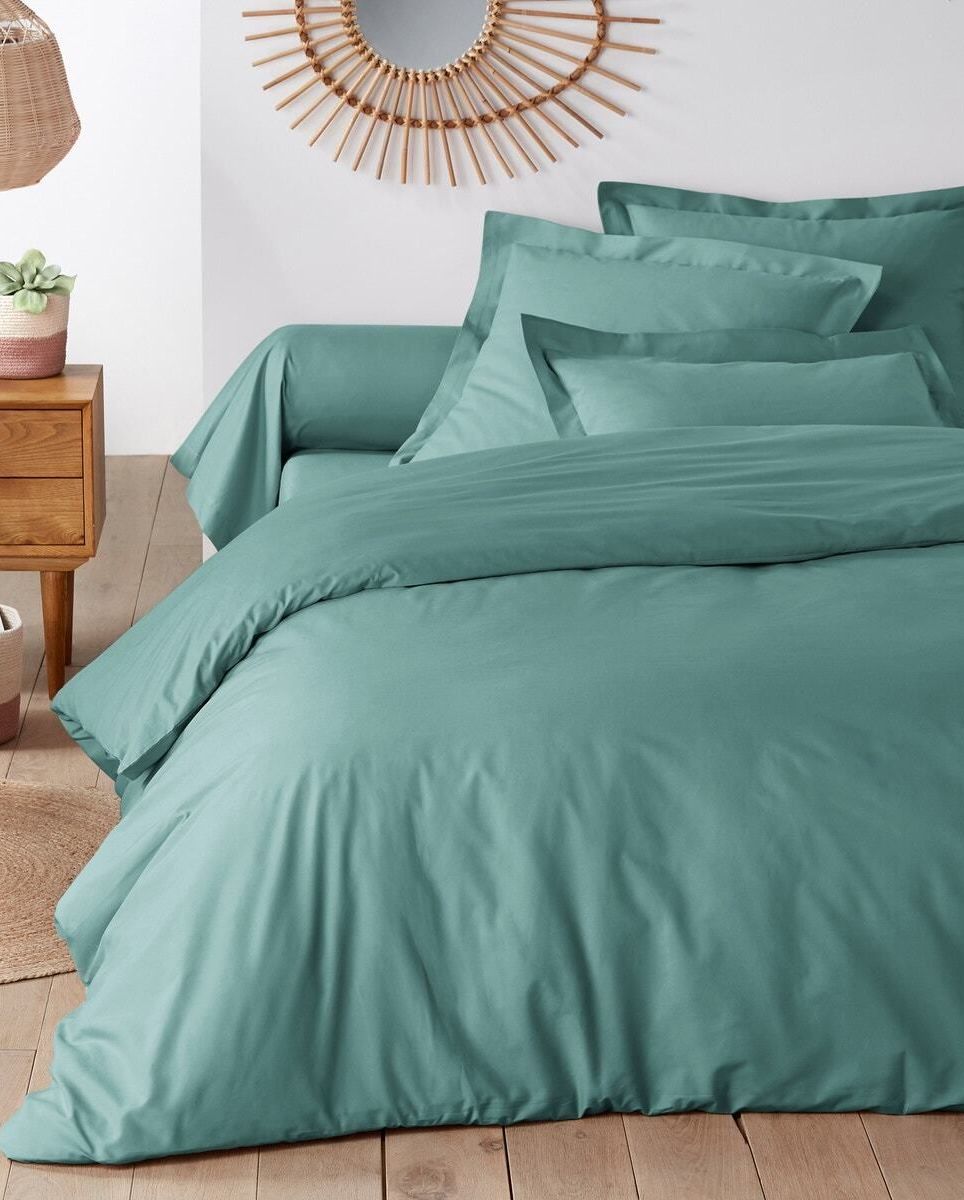
La Redoute Scenario Organic Cotton Duvet Cover
If the all-white look isn't for you, go for this organic bedding set from La Redoute instead, which is available in an array of bold and more neutral tones.
Why's it eco? The cotton is organic, so no chemical pesticides were used throughout the production process.
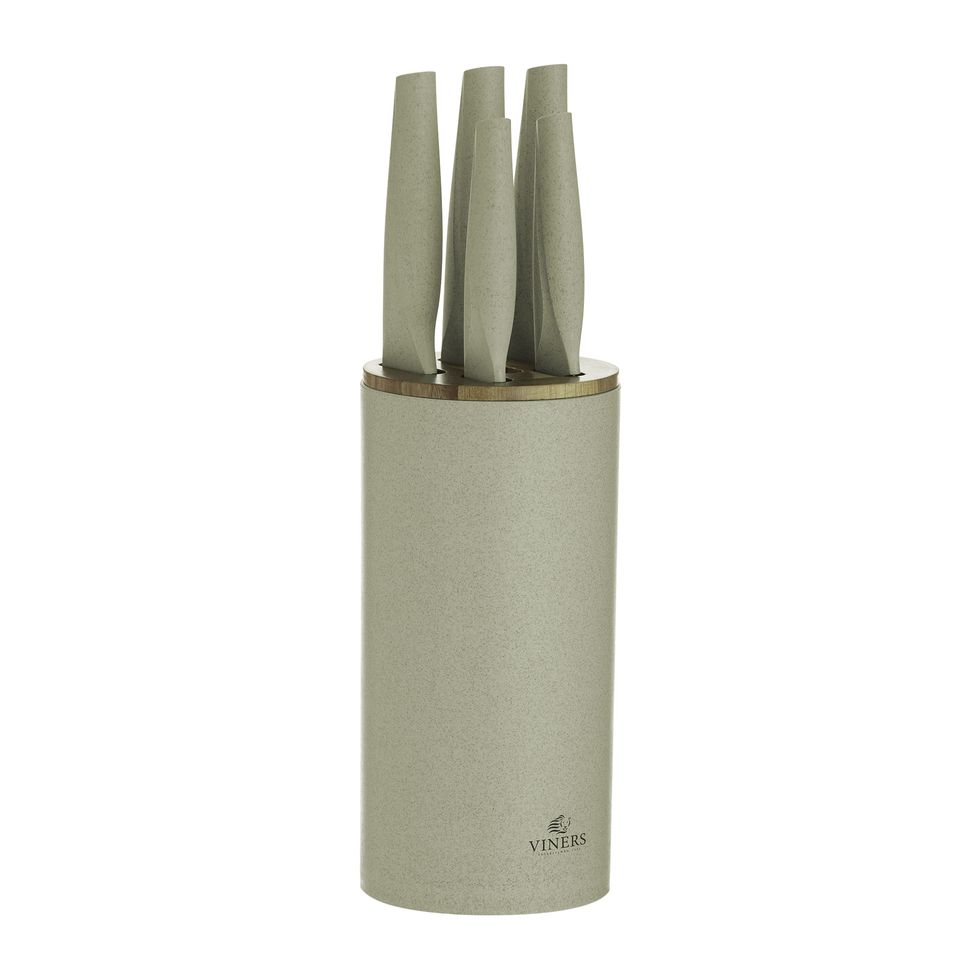
Viners Organic Natural 5 Piece Knife Block
This minimal block is available in a sage green or calming oatmeal and contains all the knives you should need – a chef’s knife, carving knife, bread knife, utility knife and a paring knife.
Why's it eco? The knives have been made from at least 85% recycled steel and the block and handles are part-made with wheat fibre; a natural by-product from the wheat farming industry that's usually burned. The bamboo lid on the block can also be recycled or composted.
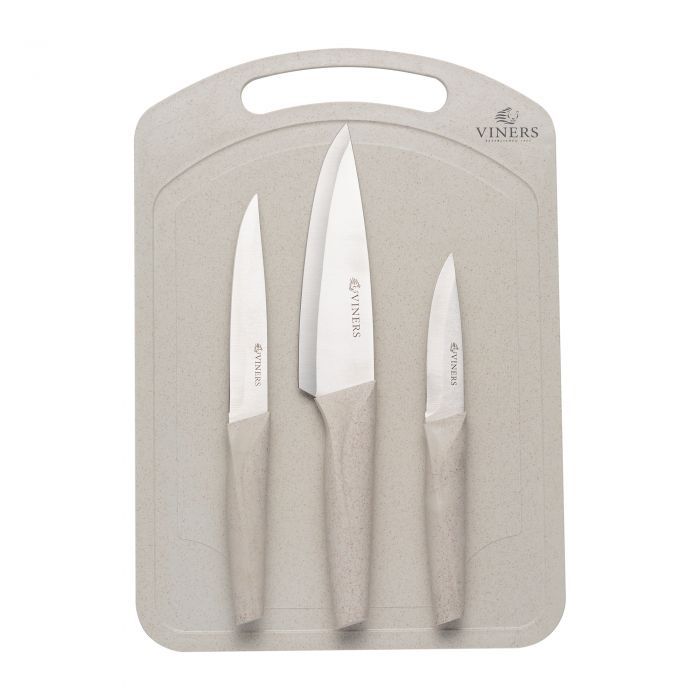
Viners Organic Knife Set with Board
Want to complete your set? Add this matching organic knife and chopping board set to your Viners collection. The knives are super-sharp and the board is great quality, too.
Why's it eco? Like the knife set above, this set has been made from wheat fibre, which will break down under normal composting conditions within three to 36 months.
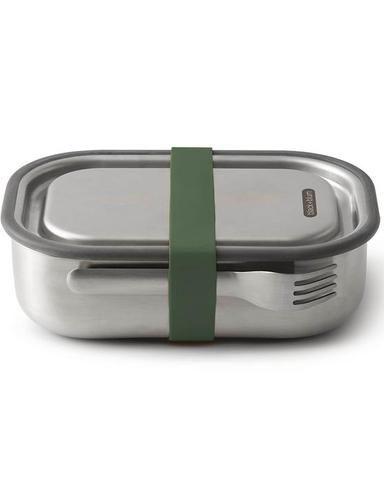
Black + Blum Stainless Steel Lunch Box
We love this steel lunchbox and fork combo. It's got a removable metal divider inside so you can keep salad away from grains, for example, or leftover curry separate from rice. It can also be used as an oven dish or a freezer container, making it really great value for money.
Why's it eco? With care, this lunchbox should last you a lifetime – so you'll never have to buy another. It's made from BPA-free, quality steel under ethical conditions in China.
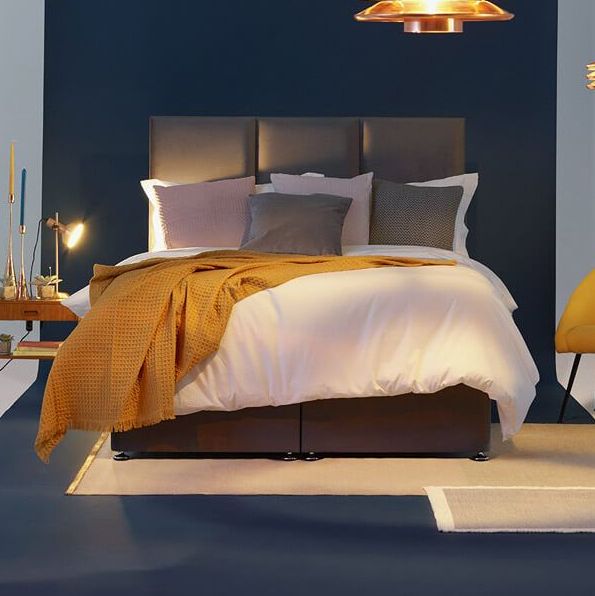
Brook + Wilde The Lux Mattress
Obviously, a new mattress is a serious investment – so sleep guilt-free by checking the eco-credentials of your new mattress company. Brook + Wilde are a premium British mattress-in-a-box company with a focus on quality – and sustainability. I have the medium Lux mattress and would say it's on the firmer side, which personally, I prefer – my back feels much better in the mornings since switching.
Why's it eco? For every mattress sold, B+W will plant a tree – and operates a zero-waste policy throughout production. Impressive.
Lisa Joyner is the Deputy Daily Editor at House Beautiful UK and Country Living UK, where she's busy writing about home and interiors, gardening, dog breeds, pets, health and wellbeing, countryside news, small space inspiration, and the hottest properties on the market. Previously, she has written for Conde Nast Traveller, House & Garden and Marie Claire magazine. Lisa studied at University For The Creative Arts, where she completed a BA in Fashion Journalism.