
While I'm very lucky to live in a house with a garden, I'm less lucky that it's north-facing.
Before we bought our home in London, I'd always dreamt of a south-facing space that I could coax into the cottage-style, crammed with colourful cut-and-come-again blooms I would showcase throughout my home (telling guests: "Oh, that beautiful bouquet ... just a few flowers I grew with these green fingers of mine").
I needn't have worried. When I consulted with a host of horticultural experts, I was relieved to hear that, with a bit of know-how and a can-do attitude, I might just be able to transform my lacklustre patch into a plant paradise.
"North-facing gardens often get a bad reputation, but in reality, they can be some of the most beautiful and layered spaces when planted properly," says Mirela Bajic, Senior Garden Designer at House Designer. "In my experience, the key is to stop trying to fight the conditions and instead lean into them. Shade naturally softens a space, so rather than forcing sun-loving colour, I focus more on texture, tone, and variation in leaf shape."
With that in mind, these are some of the best plants to grow in a north-facing garden:
1. Foxglove


"Foxgloves are a great option, as they love the shade and bring height and colour to the garden. They’re also brilliant for attracting bees, making them a great choice for supporting pollinators," says Amber Tunney, Horticultural Specialist at Cherry Lane Garden Centres.
Foxgloves are ideal for adding vertical interest to a shady border, particularly where lower-growing foliage plants might otherwise dominate. Their tall flower spikes bring cottage garden charm and can help create a more layered look in a north-facing space.
2. Hellebore


"Hellebores are also well suited to cooler environments and tend to grow and flower earlier than most plants. Because of this, they're especially valuable for pollinators, providing an early food source when very little else is in bloom," adds Amber.
Hellebores are a reliable choice for adding colour from winter into early spring, when many other plants are still dormant.
Lucie Bradley, Gardening and Greenhouse Expert at Easy Garden Irrigation, also recommends preparing the ground before planting. "Enrich it with leaf mould, compost or well-rotted manure, which also helps with drainage, as although hellebores like moist soil, their roots are susceptible to rot if they are in constantly waterlogged soil."
For variety inspiration, Lucie recommends Helleborus ‘Amor’, describing it as “a lovely variety perfect for shady pots".
She also suggests Hellebore 'Hello Pearl', "which flowers from December to March with luxurious double blooms of curvy white petals dotted with pink and whose rich, dark green, palm-shaped leaves create an almost tropical look all year round."
3. Hosta


"For foliage, hostas and ferns are ideal. They're very efficient at making the most of limited light, which makes them perfect for north-facing spaces. They work well in both borders and pots, while also adding texture and depth to the garden," says Amber.
Hostas are particularly useful in north-facing gardens because their large leaves bring shape, texture and brightness to shady areas. Variegated varieties, such as those with white or cream markings, can help lift darker corners and break up heavy planting.
They work well in borders, under trees or in containers, but do need protection from slugs and snails, especially when young shoots first appear.
4. Fern


"For structure and year-round interest, plants like ferns, hostas, and heuchera work particularly well. They bring depth through foliage rather than relying purely on flowers," says Mirela.
Ferns are a natural fit for damp, shady gardens, offering soft, architectural foliage that can make a north-facing space feel calm and woodland-like. Their delicate fronds work particularly well alongside broader-leaved plants such as hostas and bergenia.
They are also a good option where you want texture rather than bold flower colour, helping to create a more layered and natural-looking planting scheme.
5. Ivy


"Ivy is another strong choice, as it thrives in cooler conditions and flowers later in the year. This makes it particularly important for pollinators, while also providing shelter for wildlife in the garden," says Amber.
Ivy is a practical and wildlife-friendly choice for north-facing walls, fences or boundaries. Because it tolerates shade well, it can help soften hard landscaping and provide year-round greenery in areas where other climbers may struggle.
6. Hydrangea


"Hydrangeas are very well suited to a north-facing garden. They thrive in low light and cooler soil, and can still produce large, showy flowers without the need for lots of sun," says Amber.
Lucie recommends Hydrangea petiolaris for darker spots, describing it as "a self-clinging climbing hydrangea which produces lacy white blooms in the summer and is ideal for introducing light to the darkest fence or wall of your garden.
Oakleaf hydrangeas are another good variety, with 'Hydrangea Quercifolia' thriving well in north-facing gardens. Just ensure they get a little sun in the morning and shade in the afternoon.
7. Bergenia


"Bergenia is the perfect hardy perennial evergreen ground cover for shady areas," says Lucie. "Not only do its large, leathery leaves turn from glossy green to shades of red, purple and bronze during the winter months, but it also produces bright clusters of pink, magenta or white flowers in March, which offer valuable nectar to pollinators such as bees and hoverflies as they become more active in spring."
8. Heuchera


"This is another favourite, as it comes in a wide range of foliage colours from deep plum to lime green, so you can layer tones even without relying solely on flowers," says Peter Mortin, Business Development Manager and resident garden guru at luxury outdoor rooms brand Crane Garden Buildings, "The key is to think in layers, combining different leaf shapes, heights and shades of green, and then punctuating that with pockets of colour. With the right mix, a north-facing garden can feel calm, lush and full of depth, rather than shaded or flat."
20 gardening tools and essentials you can get delivered to your home right now
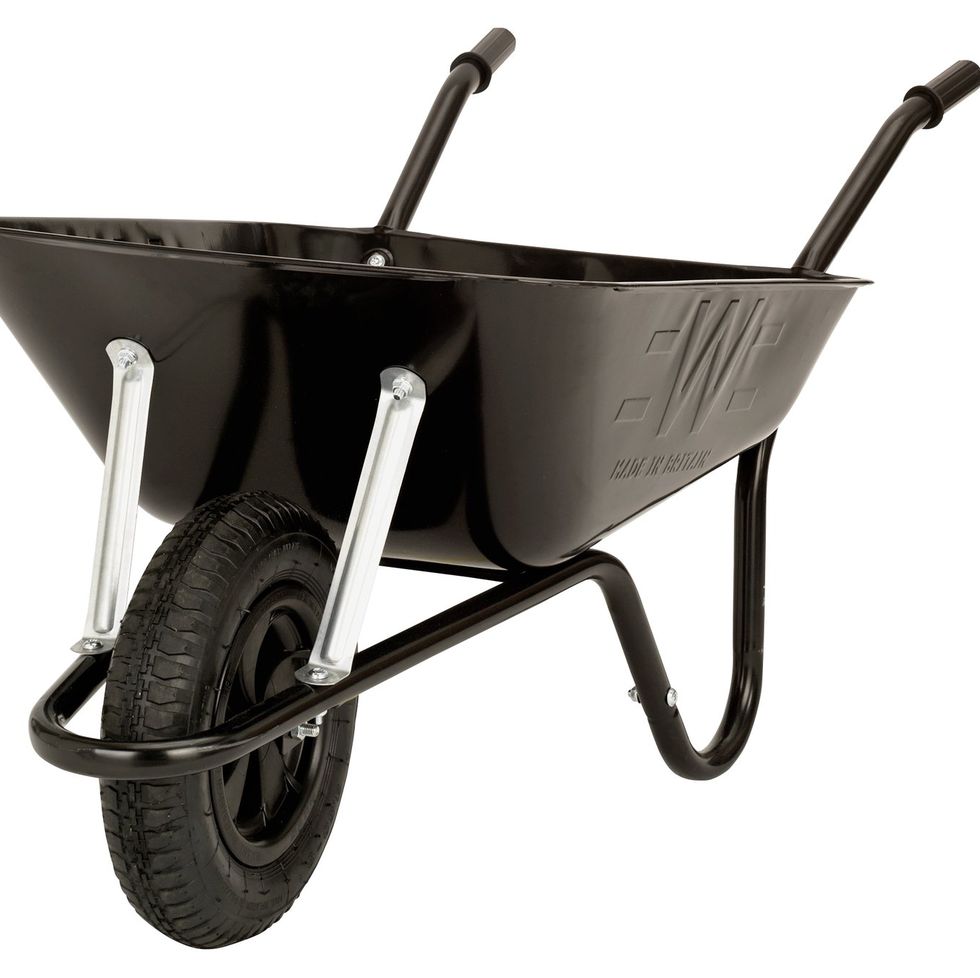
Moving mulch, compost or soil to your garden beds? A wheelbarrow is an essential to save your back. One-wheeled, two-handled options are great for manoeuvrability, but if you're limited in strength you may want to opt for a dual-wheeled one.
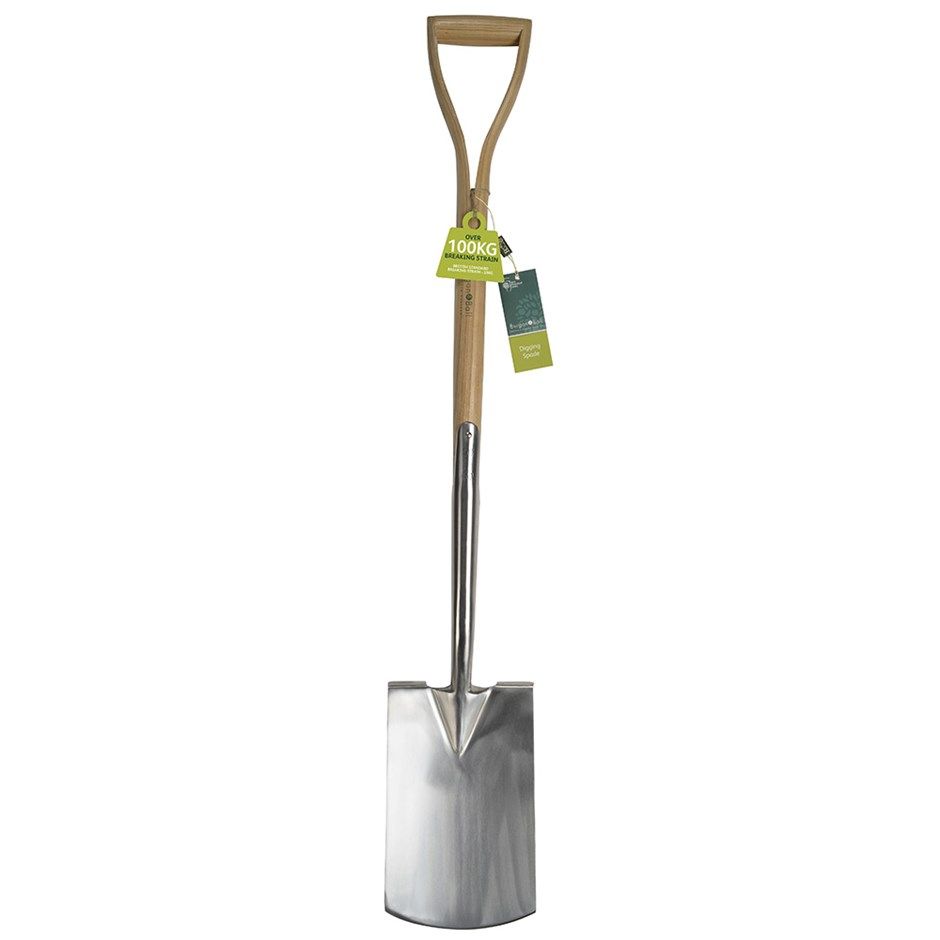
A fantastic spade that's RHS-approved, this stainless steel choice is rust-resistant and won't need regular sharpening, making it easy to maintain. Long-handle spades like this are great for digging large plots and transferring soil (not to mention being easier on your back). This is also a sustainable choice with the handle made from FSC-certified ash.
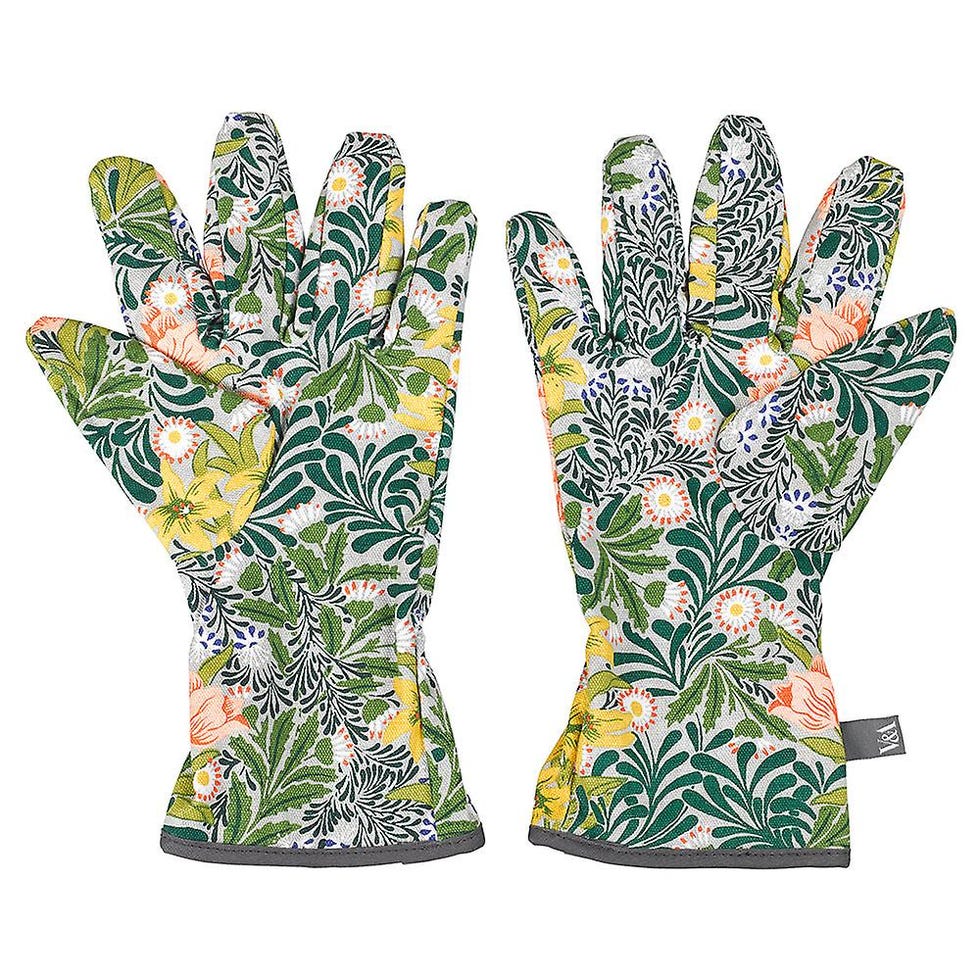
V&A William Morris Gardening Gloves
Add a splash of bold and beautiful colour to your garden activities with these stylish William Morris-print gloves. Not just for good looks, of course, they'll also protect you from thorns and brambles while you're working.
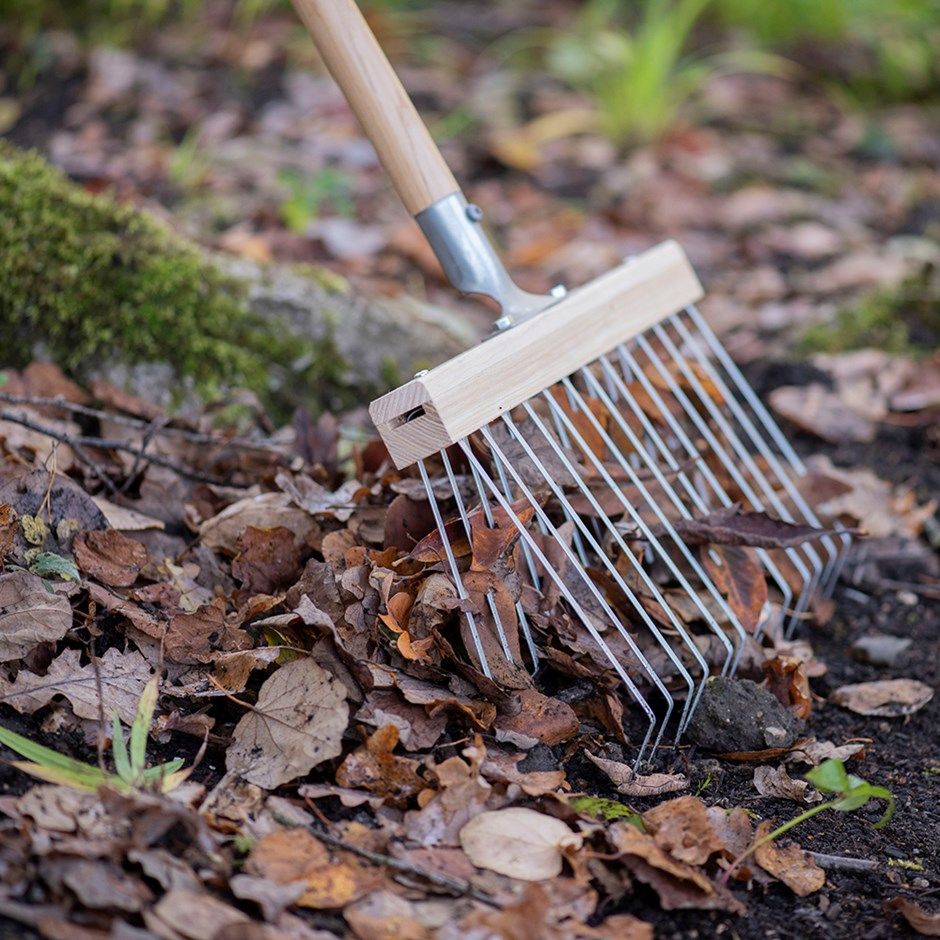
Keep your garden looking spic and span and free from leaves and debris with this top-notch DeWit rake, which makes clearing up much more pleasurable.
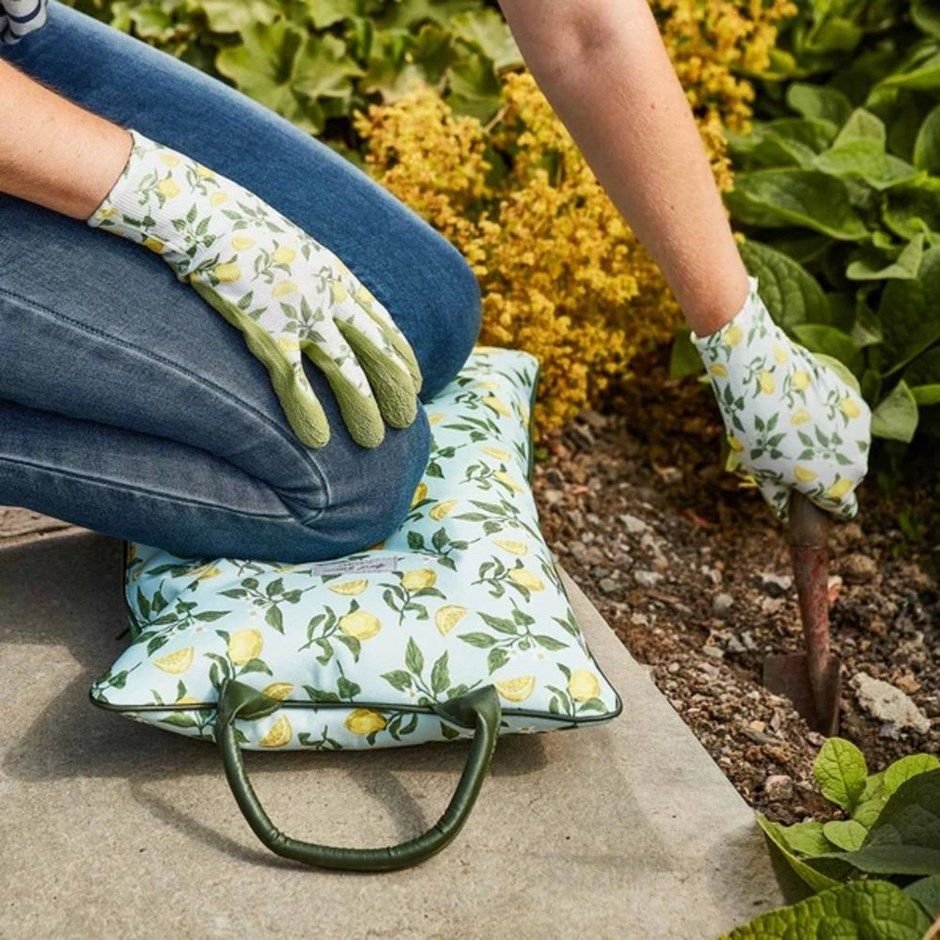
Sicilian lemon kneeler pillow
Protect your knees while getting in amongst the borders with this pretty kneeler. Or you might prefer strap-on knee pads so you don't have to keep moving it – BUY NOW, £14.99
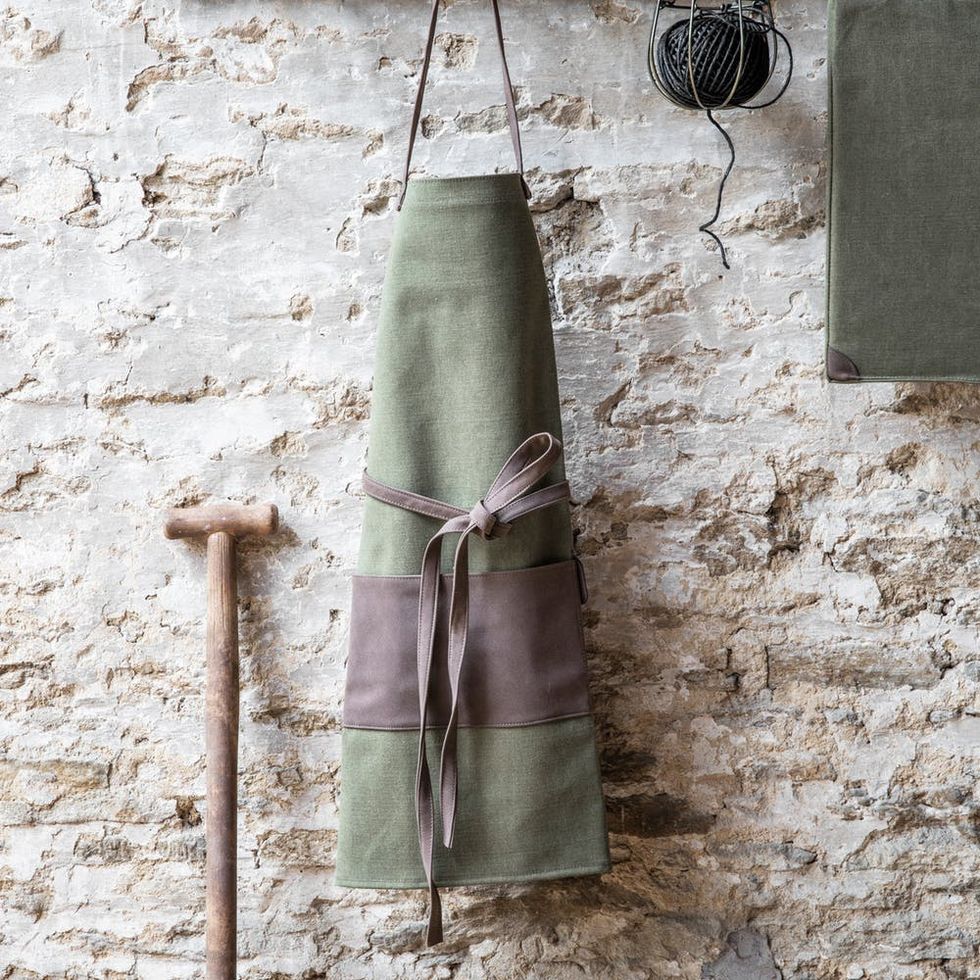
Protect your clothes and get organised with a stylish gardening apron. Whether you're planting new flowerbeds, picking vegetables or potting around in the shed or greenhouse, this trusty apron will ensure clothes stay clean. What's more, all important tools, seeds and more can be stored close to hand in the front pocket.
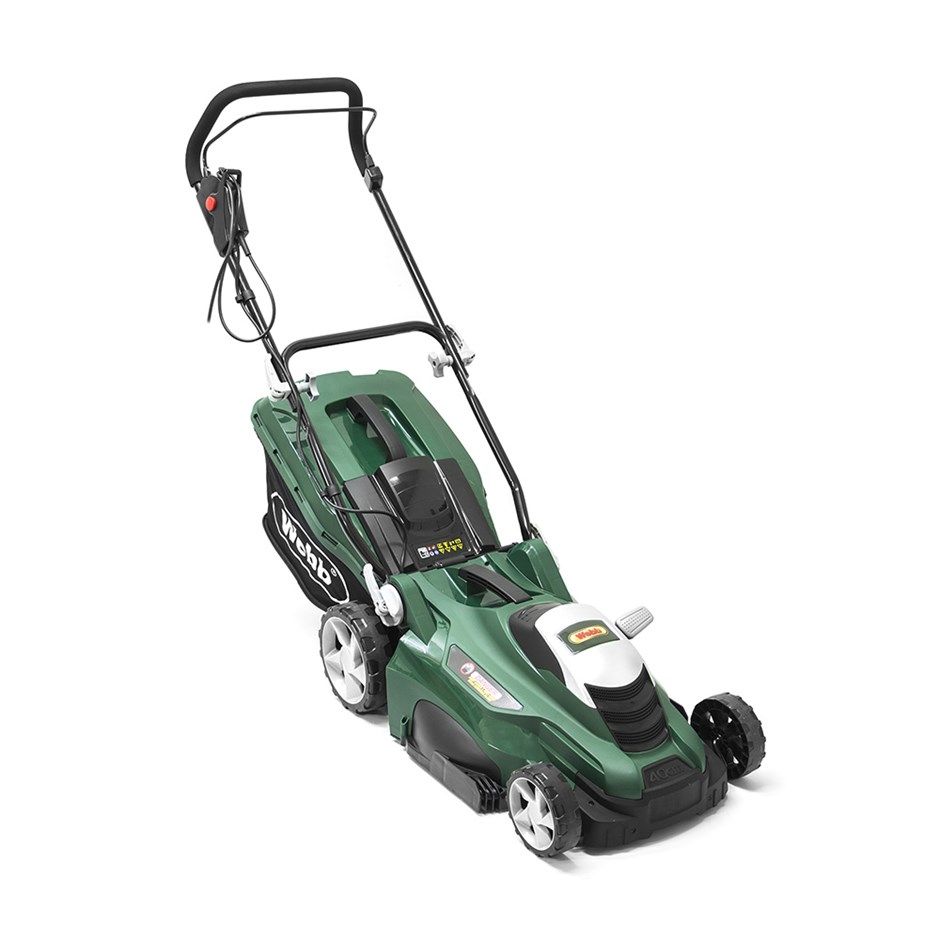
Webb electric rotary mower ER40 15"
Opt for a more eco-friendly electric lawnmower as opposed to a petrol one.
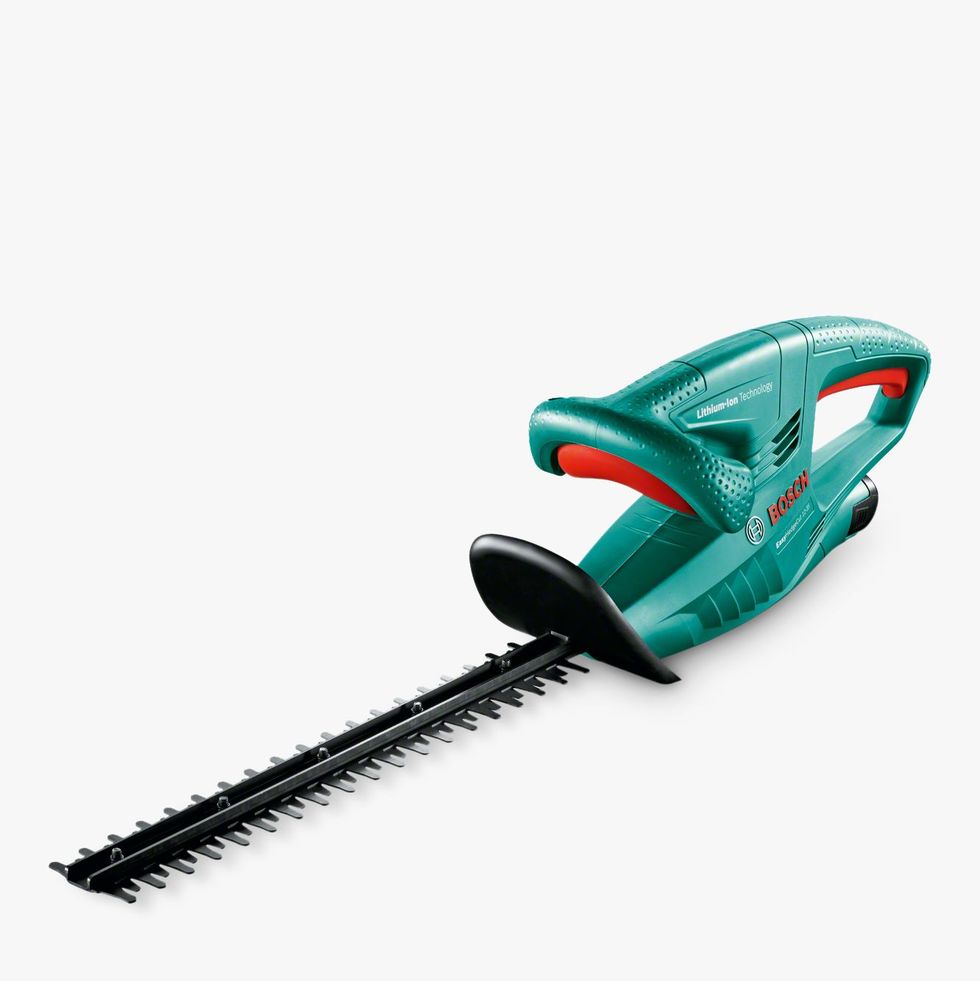
Ensyure your hedges and borders looks super-smart with an easy-lift, lightweight, cable-free trimmer for quick and easy grooming.
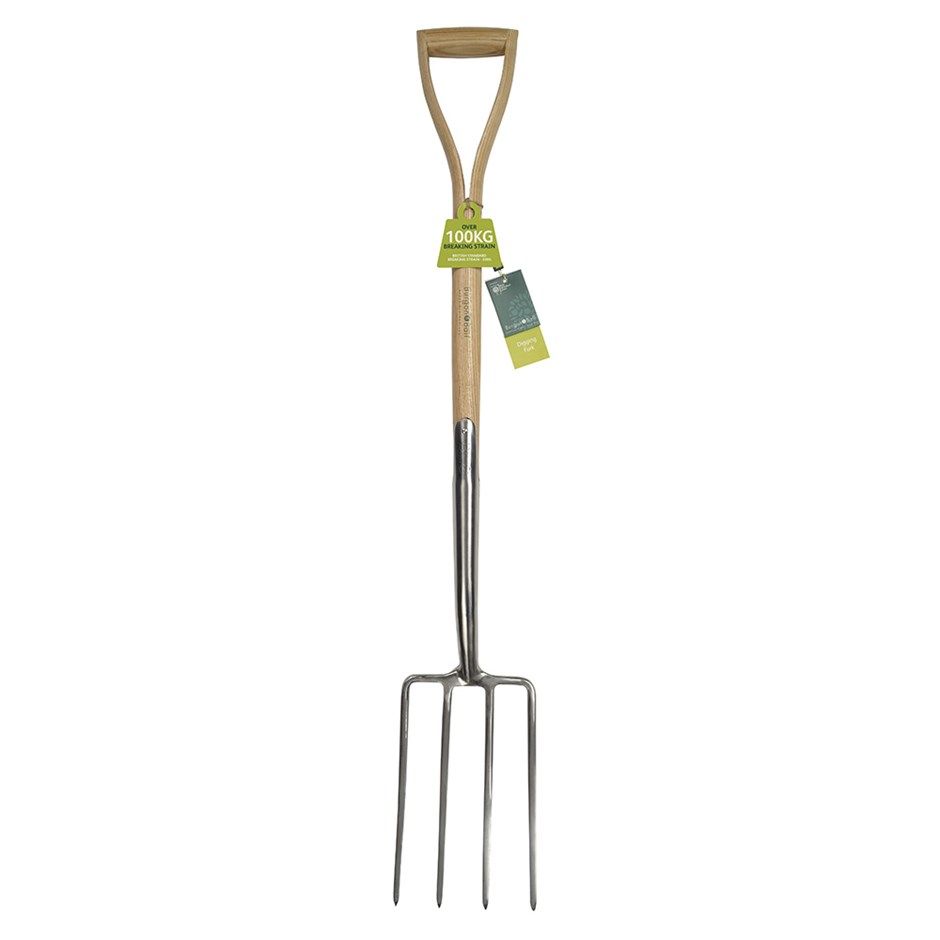
RHS Burgon and Ball stainless steel digging fork
An efficient tool for turning soil, garden forks can dig into dense soil better than a spade. This one made from rust-proof stainless steel with forged tines for extra strength, is a high-quality digging fork that's endorsed by the RHS. Need we say more?

personalised Personalised Fork And Trowel Gardening Set For Gardener
This personalised fork and trowel set is the perfect gift for your gardening-loving friend.
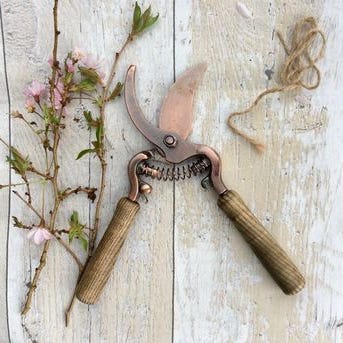
Personalised Copper Plated Garden Pruner Secateurs
Plants taking over? Pruning shears, or secateurs as they're also known, help reign in plants that are getting out of control. They're also perfect for trimming flowers, like roses. Why not match yours to your hand trowel and fork for stylish trio?
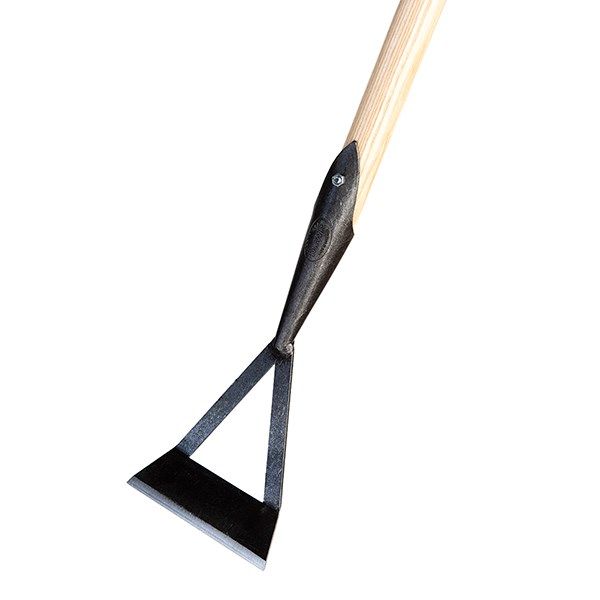
This well-crafted garden hoe will make light work of clearing weeds from your flower beds, borders and veg plots. The extra-long handle will also protect you from back strain.
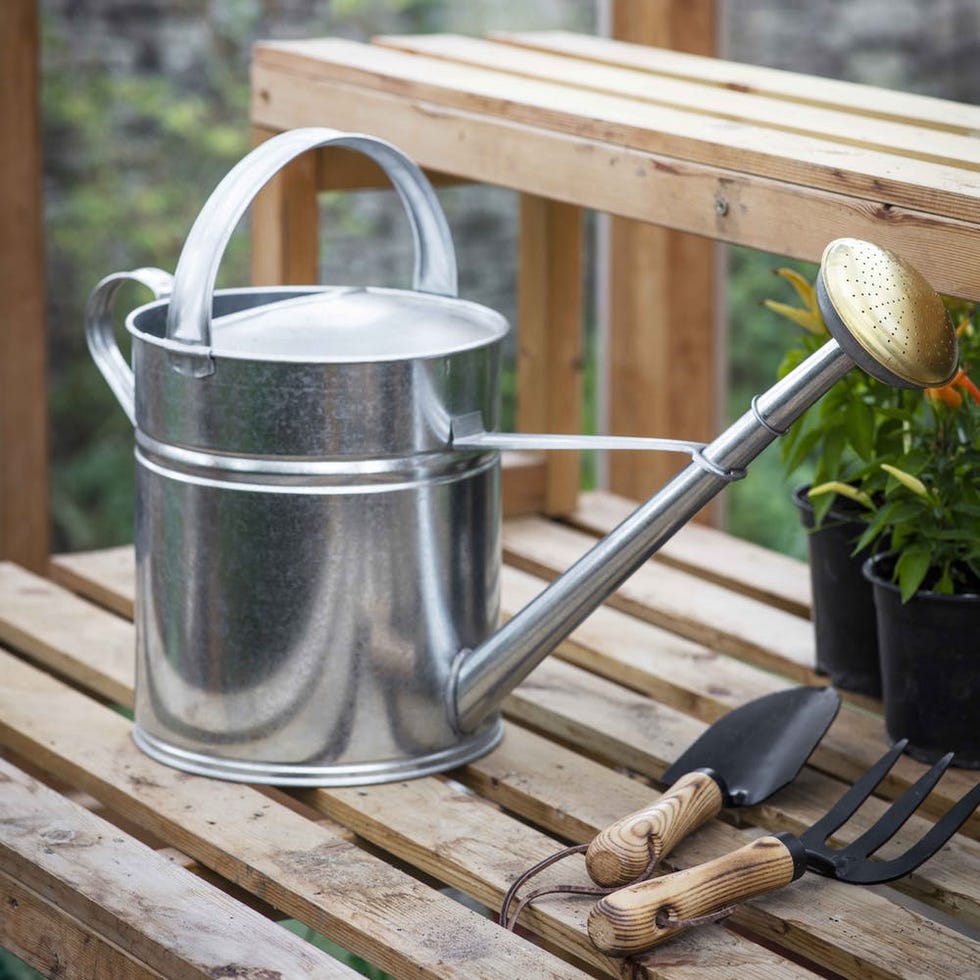
All gardens need a trusty watering can to keep flowers and plants thriving. This durable one is available in three sizes, so you can choose the one to suit your outdoor space. The 1.5L is perfect for herb pots on plant stands. The 5L for small gardens with plant pots and flowers. And the biggest, the 10L for vast rural flowerbeds and herb gardens.
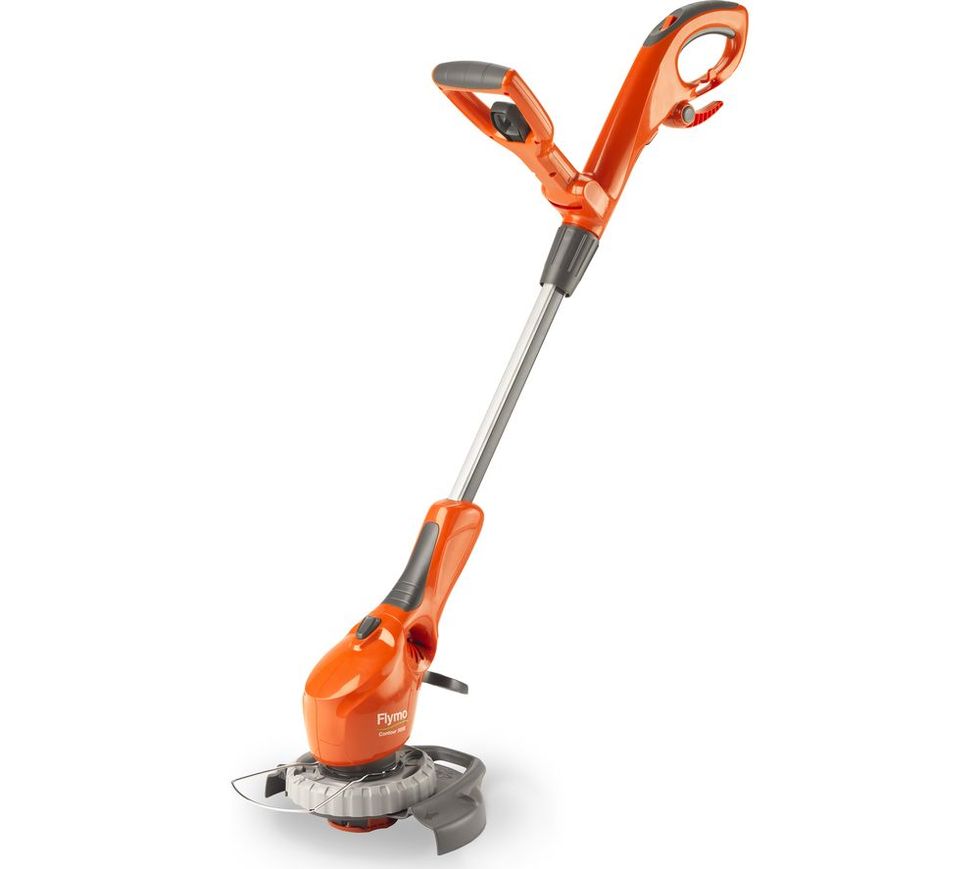
Tackle a variety of different tasks around your garden with ease with the simple press of a button. This handy trimmer can be used to edge the borders of your lawn, and a wheel is fitted to the trimmer, making it easier to follow the edges around walls and fences. There's also a shrubbing mode, making it simple to tackle difficult-to-reach areas, like under benches and bushes.
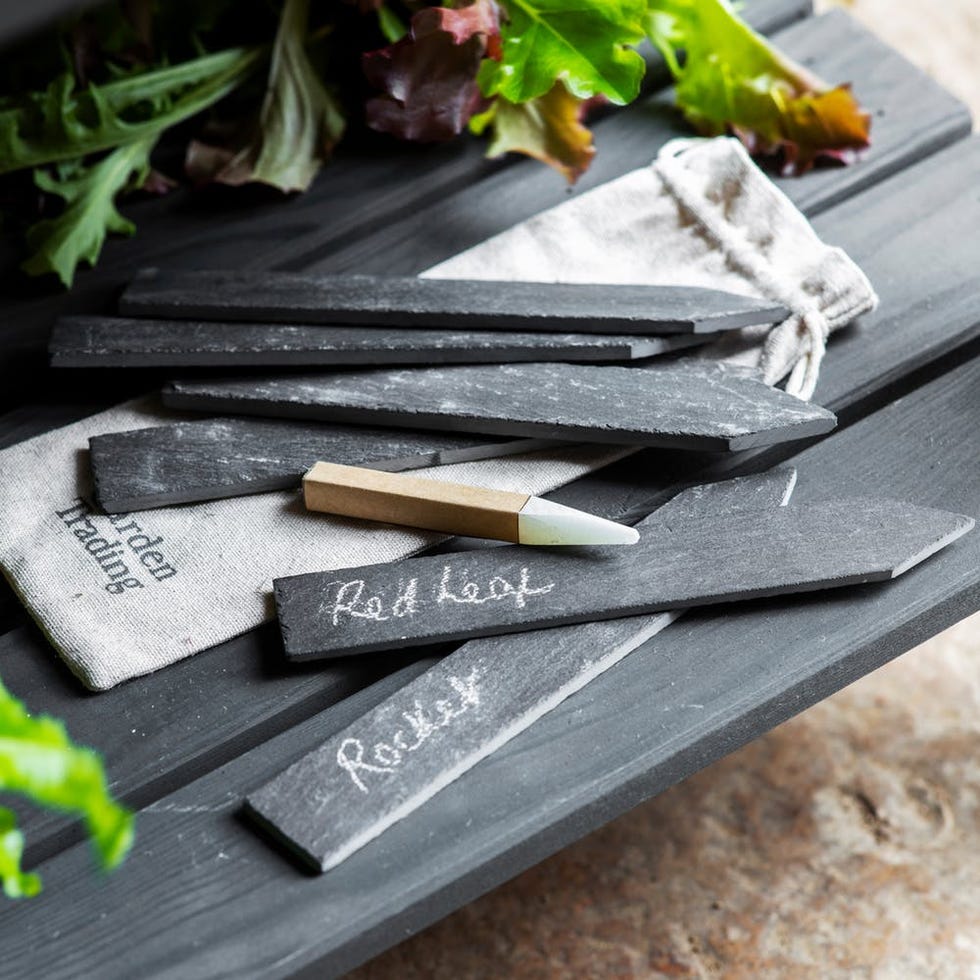
Keep track of what you've planted with these stylish slate plant labels. The set comes complete with a square soapstone pencil, which allows you to interchange the labels with what's in season or current family favourites
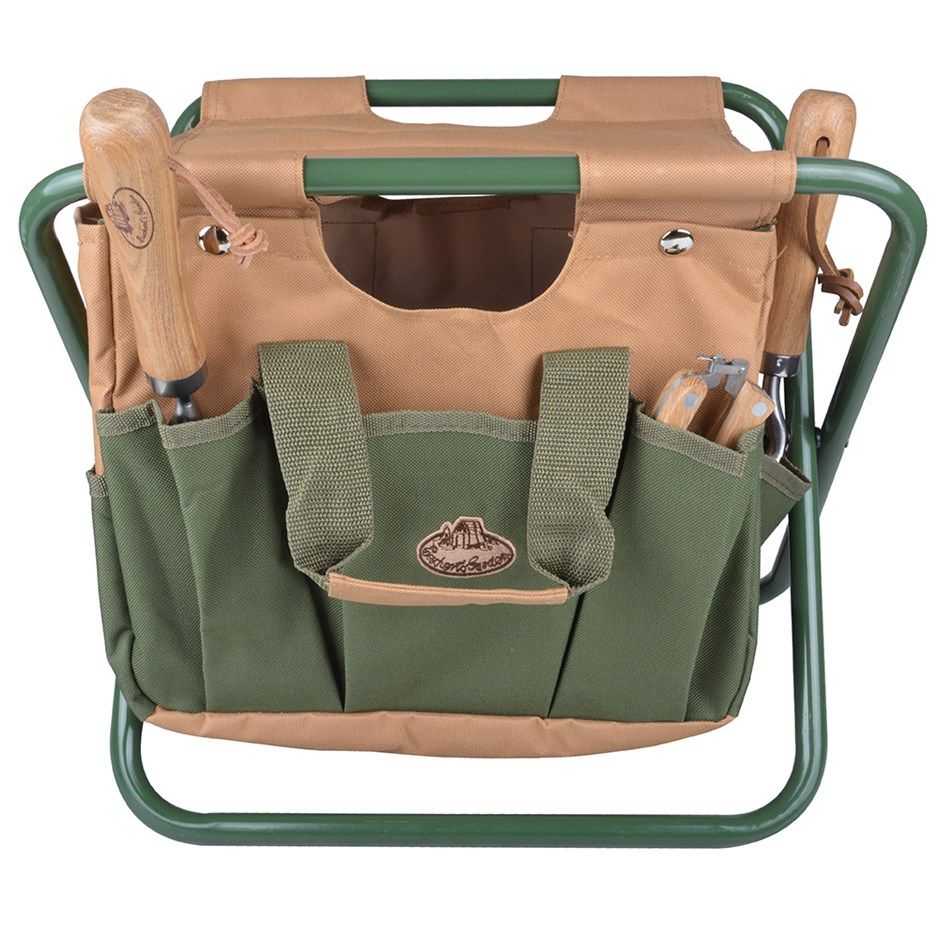
Keep everything together in a clever storage box that also doubles up as a foldable seat. You'll enjoy gardening so much more if you're comfortable and everything is to hand. The removable bag fastens with press studs and includes spacious side compartments for hand tools, dibbers, pens, string, and other necessities, and a central section perfect for larger items or a spot of lunch.
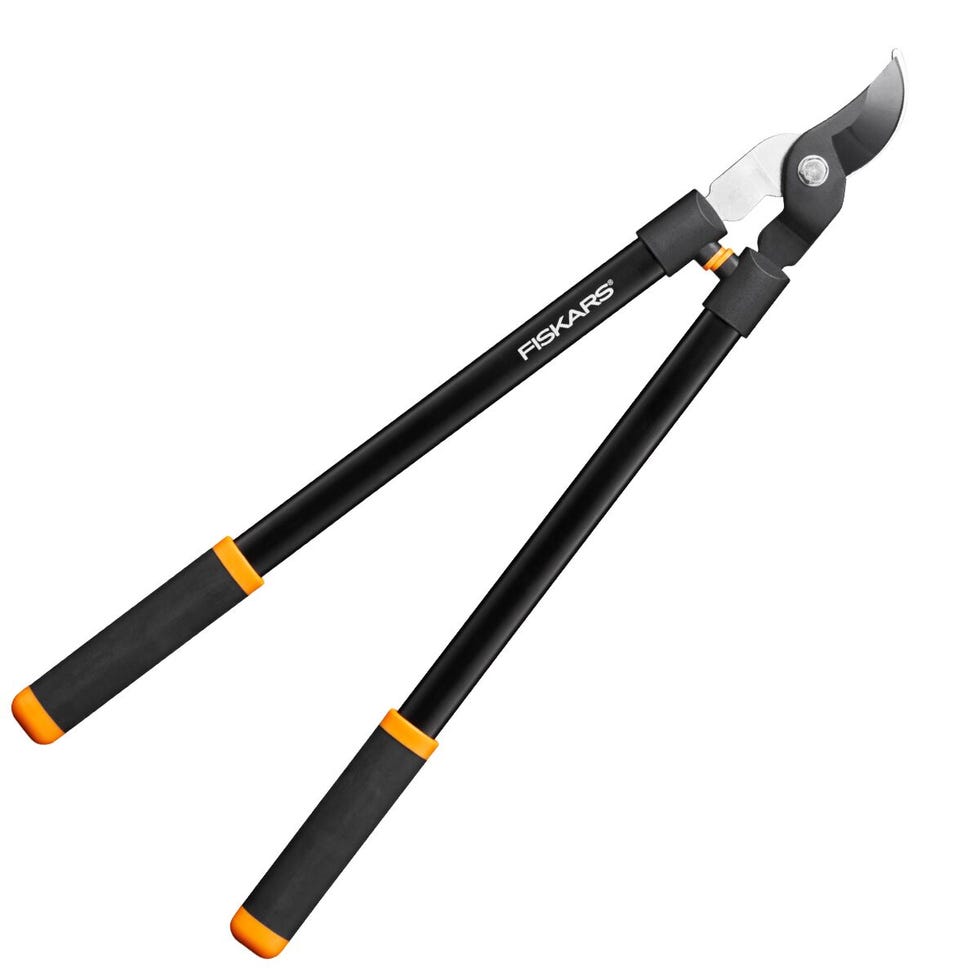
Another handy cutting tool, loppers are basically long-handled pruning shears used to trim hard-to-reach areas and cut thicker branches.

RSPB Garden wildlife camera - new
Don't miss the incredible action going on in your own garden. A good wildlife camera will capture all the exciting activity. This one from RSPB can be used to view anything from birds on a feeder, bird tables and nest box entrances, to hedgehogs and other nocturnal wildlife. It can also even be used to keep an eye on the garden or house as a security camera.
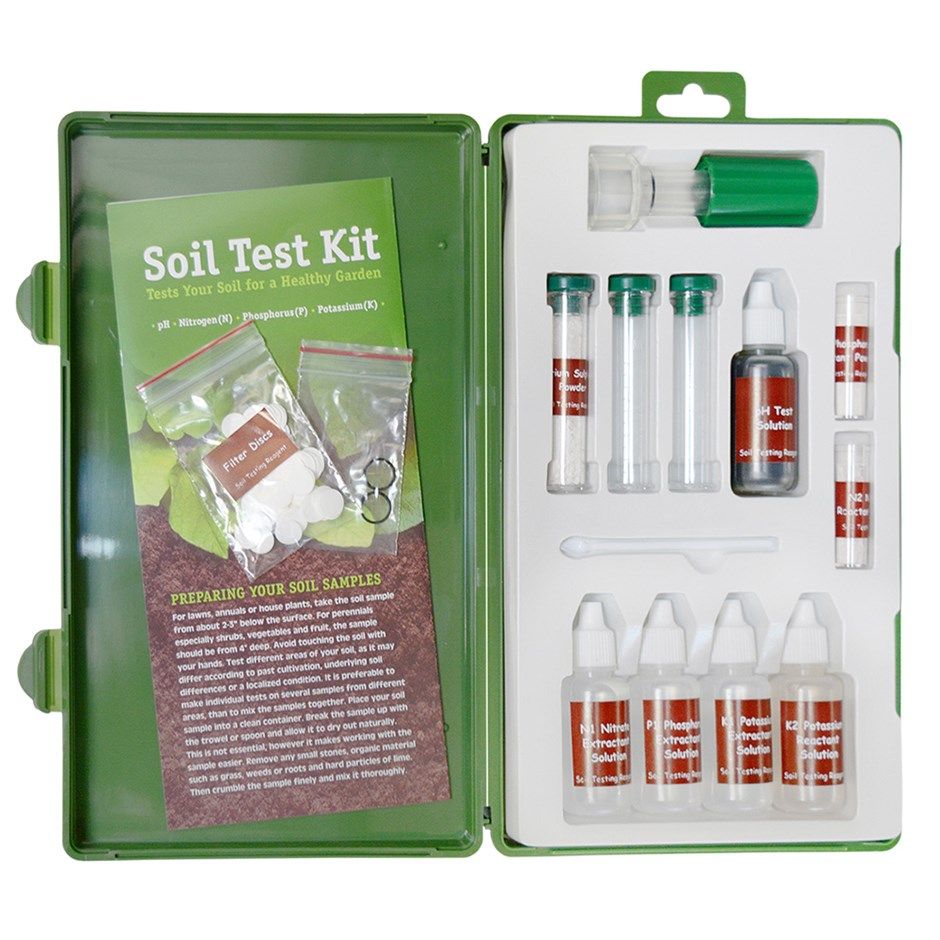
Maintain an ideal growing environment with an easy-to-use soil tester kit. You can test the pH and nutrient profile of your soil, think soil acidity and levels of nitrogen, phosphorus and potash, to see if it needs extra help.
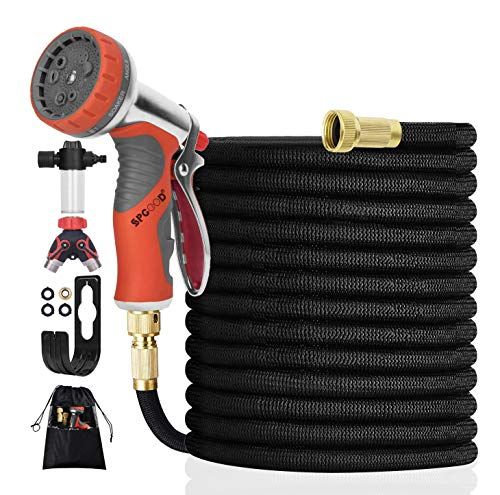
SPGOOD 50FT/15M Expanding Garden Hose Set with Splitter, Foam Water Bottle Expandable Garden Hose, 9 Futions Spray
Water is the foundation of your garden’s life and it’s important that your garden hose can reach and spray every area. If you buy one with an adjustable nozzle, it puts you in control of the water pressure and spray radius. You can also buy nozzles separately.


