
Catching up on your spring garden jobs? There's one simple task you can do to improve your plants' health and make sure your garden is brimming with beautiful flowers come summer.
"Dividing summer-flowering perennials is one of the most rewarding and simplest jobs you can do in your garden," says Ross Dyke, award-winning horticulturist and host of The Plant Pod. "The process not only provides you with new plants for free, but also rejuvenates old and tired-looking plants."
We caught up with some gardening experts to share everything you need to know about dividing summer perennials:
When should you divide summer perennials?
April is the ideal time to divide mid- and late-summer perennials, as you ideally want to be dividing them just as new growth begins.
"By April, some perennials may start to look overcrowded, but this makes it an ideal time to divide summer and autumn-flowering perennials," explains Paul Parker, gardening expert at plant and annuals specialists J. Parker’s. "Lifting and splitting established clumps not only keeps plants healthy but also gives you extra plants to use elsewhere in the garden."
Avoid dividing perennials during very warm or dry spells, though, warns Ross: "The plants need moisture to help them re-establish after you have divided them."
How to divide summer perennials


Dividing summer perennials is easier than you might think. Follow these three simple steps:
- Lift your perennial from the ground or its pots using a garden fork, and gently shake off excess soil. Top tip: "Working outwards from the crown of the plant can reduce damage to the roots," says Richard Barker, horticultural expert and commercial director of LBS Horticulture.
- Divide it into two. "Depending on the plant, you should be able to either gently pull apart the roots or split them into two clumps with a fork or trowel," Paul explains.
- Immediately plant your divided roots in separate spots – "give them a good drink of water and a thin layer of compost once they are in their desired location," recommends Paul.
Which summer perennials can you divide?
Although many common perennials can be divided, some are better suited than others. Look for clump-forming plants, such as Asters and Phlox, which respond particularly well.


If you're new to dividing, Ross recommends starting with hardy geraniums: "Unlike some perennials that resent the disturbance, geraniums recover quickly and even benefit from splitting. This makes them ideal for beginner gardeners looking to build their confidence with propagation."
How often should you divide summer perennials?
"Usually you would divide every three to five years," explains Ross. "Doing this not only helps healthier growth, but it also enhances their ability to produce more lush green foliage and colourful flowers."
The artisan garden edit

Acqua Garden Rose Plant 'Special Anniversary' Full Plants in 5 Litre Pots

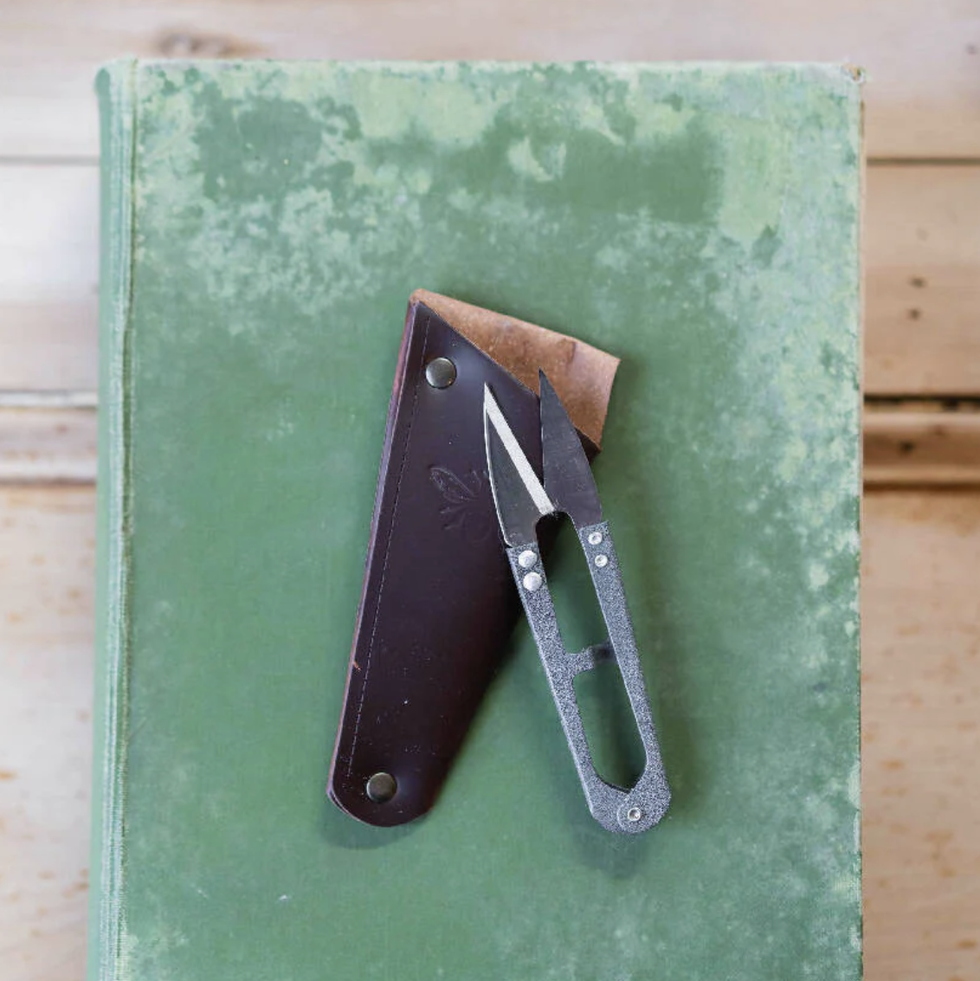
Recycled Leather Personalised Garden Diary

Country Cut Flowers Small 15cm Rope Spring Wreath

Filberts of Dorset Gardeners Hand Salve

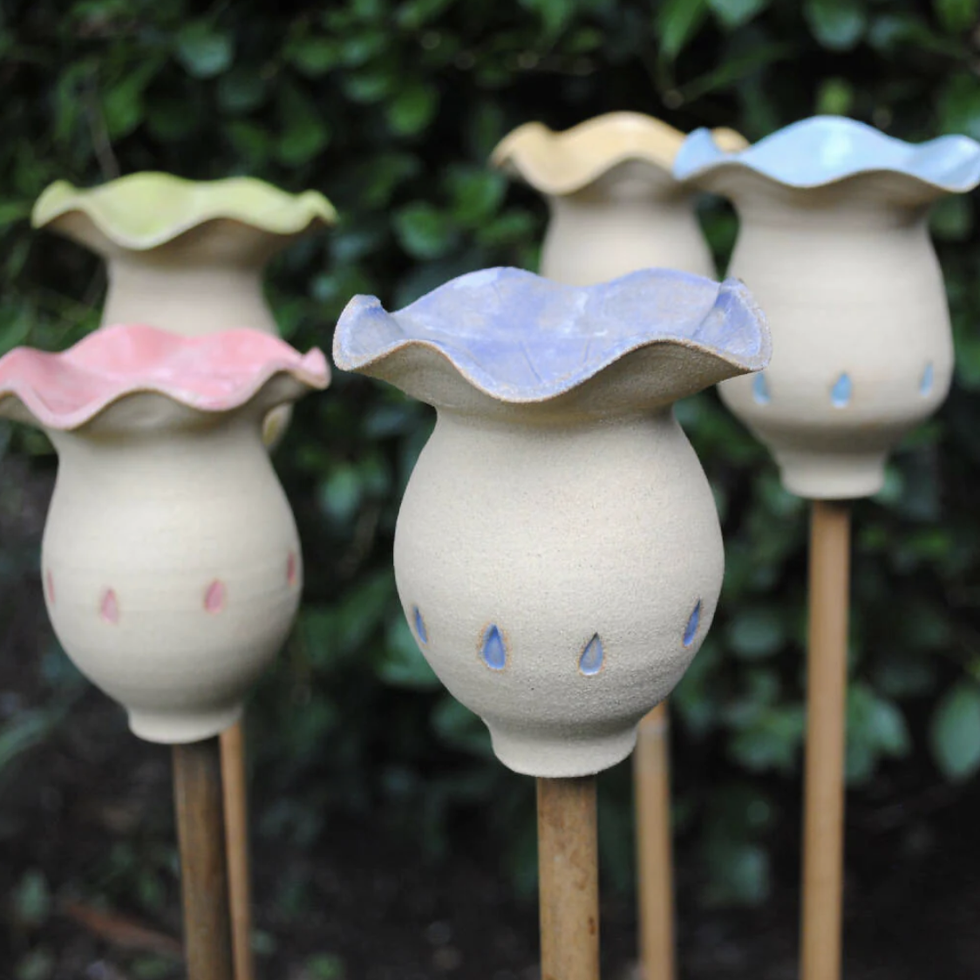
Ceramic Poppy Seed Head in Six Colour Options
Cara is Commissioning Editor at Country Living, covering everything from style and interiors to sustainability, artisans and the great outdoors. She has previously worked for Good Housekeeping, Homes & Gardens, House Beautiful, Prima and Red, and has an MA in Magazine Journalism from City University and a BA in Music from the University of Oxford. Follow Cara on Instagram @caralaskaris or Linkedin.


