
Our roses are gearing up to bloom after a winter of rest. But while we patiently wait for flower heads to burst open, aphids may already be gathering on the buds.
Known for feeding on rose sap, aphids are a minor pest that can cause curled leaves, distorted buds and sticky residue that coats the leaves. They rarely kill established plants, but heavy aphid infestations can severely weaken them.
"The roses are hinting at their arrival in a month or so. I can see the buds forming, but so can the aphids," says garden designer Jo Thompson in the April issue of Country Living as part of her new gardening column.
When it comes to quickly removing aphids from prized rose heads, Jo has a quick, tried-and-tested tip that works wonders.
"I deal with the worst by means of a finger-squish, but I leave some for the baby blue tits who, if unable to achieve their requisite hundred caterpillars a day, move to aphids as their next choice. There's nothing more satisfying than seeing them pick a plant clean."


Jo explains that as the days move on, you may spot other predators such as ladybirds, lacewings and hoverflies, arriving on your roses. Some of these may even pick off the aphids for you.
If your roses are battling a greater number of aphids, B&Q's horticulture expert, Mark Sage, says there's another trick to try using things you already have in your home.
"A good way to manage pests is to inspect plants regularly, remove affected leaves with secateurs, and use natural deterrents such as a gentle spray of soapy water for aphids. Tackle any problems before they get out of hand."
Another win is to plant garlic, chives, fennel or lavender near susceptible plants to repel them.
16 great books for gardening and indoor plant inspiration
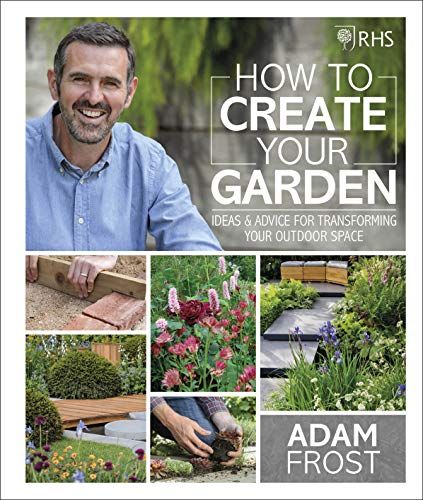
RHS How to Create your Garden: Ideas and Advice for Transforming your Outdoor Space
Adam Frost's practical, no-nonsense approach will help you plan and build a garden that works for you. The Gardeners' World presenter takes you step by step through the whole process, from simple garden design ideas to a full garden makeover.
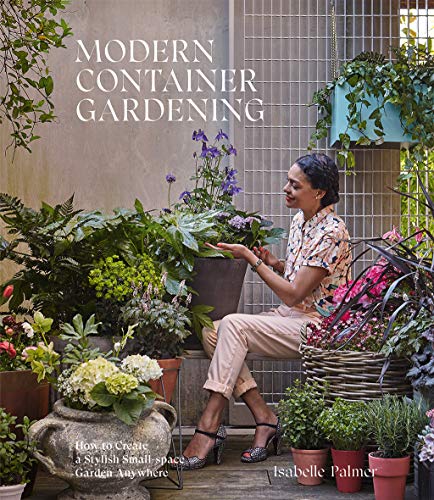
Modern Container Gardening: How to Create a Stylish Small-Space Garden Anywhere
Isabelle Palmer shows you how to make the most of every little space with a series of projects for small gardens, singular containers and window boxes, that can be completed in a day or weekend. Perfect for novice gardeners, Modern Container Gardening offers beautiful photography and clear step-by-step instructions.
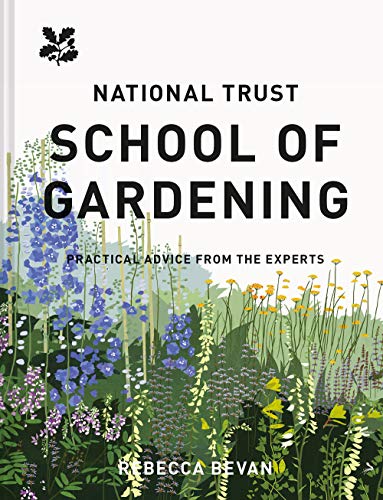
National Trust School of Gardening: Practical Advice from the Experts
The National Trust employs over 500 gardeners with an extraordinary wealth of expertise. And now, in this in-depth guide, they pass on their wisdom and provide the answers any new and seasoned gardener is looking for. This book is intended to give you inspiration and confidence to make the most of your garden, without being overwhelmed with unnecessary technical detail.
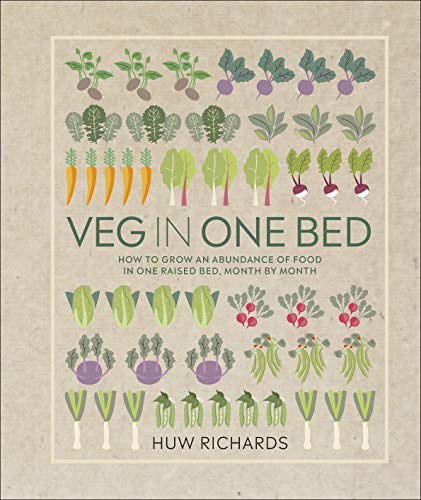
Veg in One Bed: How to Grow an Abundance of Food in One Raised Bed, Month by Month
Veg In One Bed explains how to build your bed and grow from seed, as well advice on planting, feeding, and harvesting. YouTube gardening star Huw Richards shows how to guarantee early success by starting off young plants on a windowsill and suggests what to grow in each part of the bed.
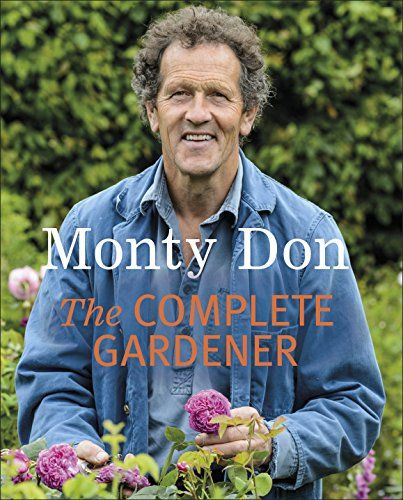
DK The Complete Gardener: A Practical, Imaginative Guide to Every Aspect of Gardening
Monty Don offers straightforward gardening advice in this book, revealing the secrets of growing vegetables, fruits, flowers, and herbs, while respecting the needs of the environment by gardening organically. You can also enjoy a tour of his Herefordshire garden, including his flower garden, herb garden, kitchen garden, and more.
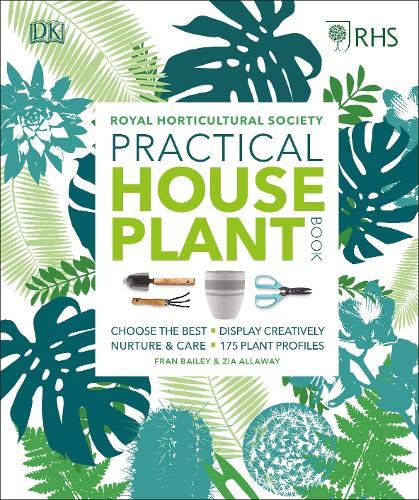
DK RHS Practical House Plant Book
The Practical House Plant Book by the RHS contains a dozen step-by-step projects to help you assemble an eye-catching terrarium, create a floating kokedama 'string garden', or propagate succulents. Complete with 175 in-depth plant profiles, this is an essential practical guide for indoor gardeners.
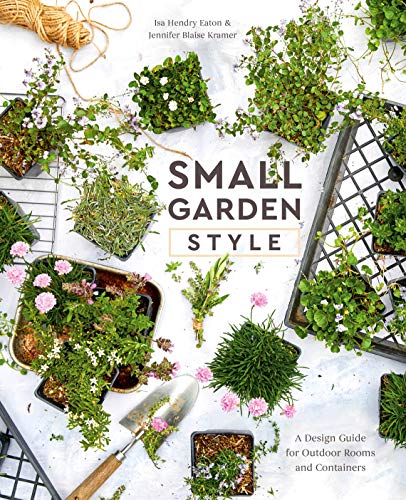
Ten Speed Press Small Garden Style: A Design Guide for Outdoor Rooms and Containers
A small garden space – an urban patio, a tiny backyard, or even just a pot by your door – doesn't have to sacrifice style. In Small Garden Style, garden designer Isa Hendry Eaton and lifestyle writer Jennifer Blaise Kramer show you how to use good design to create a joyful, elegant, and exciting yet compact outdoor living space.
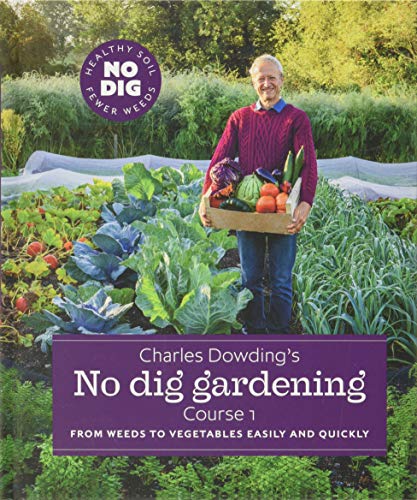
No Dig Garden Charles Dowding's No Dig Gardening: From Weeds to Vegetables Easily and Quickly: Course 1
Charles Dowding, innovator of no dig, teaches you everything you need to know about this method of organic gardening. With 19 chapters, you'll learn how to use no dig on different soil types, recognise and massively reduce the different types of weeds, know the difference between soil and types of compost, and grow an abundance of vegetables using the no dig method.
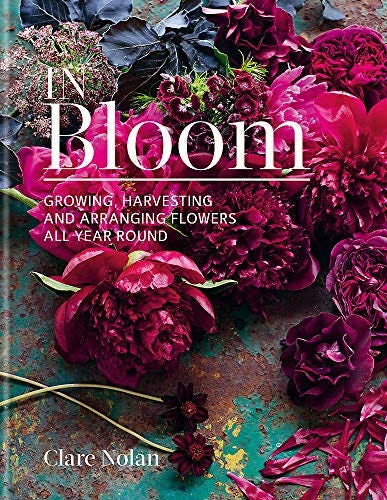
Kyle Books In Bloom: Growing, harvesting and arranging flowers all year round
Get all the inspiration you need for planting cut flowers, and fill your home with colour and the gorgeous scent of the garden year-round with In Bloom. Clare Nolan reveals her secrets for growing a bountiful harvest as well as styling spectacular homegrown displays in this beautifully designed book.
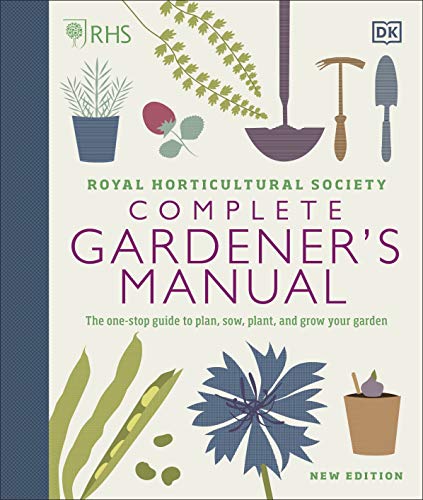
The RHS' Complete Gardener's Manual will help you choose plants that will thrive in your space, design a border for year-round colour, grasp different pruning techniques, discover how to protect your veg patch from pests, and make the best compost.
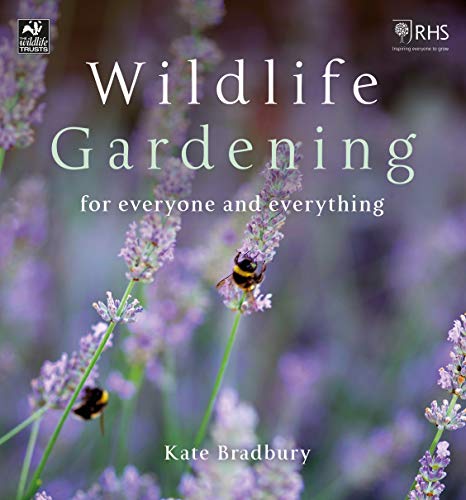
Bloomsbury Wildlife Wildlife Gardening: For Everyone and Everything
Do you want to attract more bees, birds, frogs and hedgehogs into your garden? In Wildlife Gardening for Everyone and Everything, Kate Bradbury teams up with the Wildlife Trusts and the RHS to help you discover how you can make your garden, balcony, doorstep or patio a haven for garden wildlife. You'll find handy charts, practical projects and fact files.
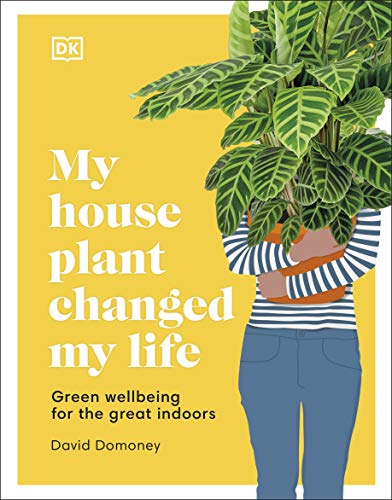
DK My House Plant Changed My Life: Green wellbeing for the great indoors
Gardener and TV presenter David Domoney is a firm believer that indoor plants can make 'a practical and emotional contribution to our wellbeing'. In this book, David explains the hard science behind the positive effect of the humble houseplant on wellness, and provides expert tips on how to keep your plants thriving, plus shares his top 50 life-enhancing houseplants.
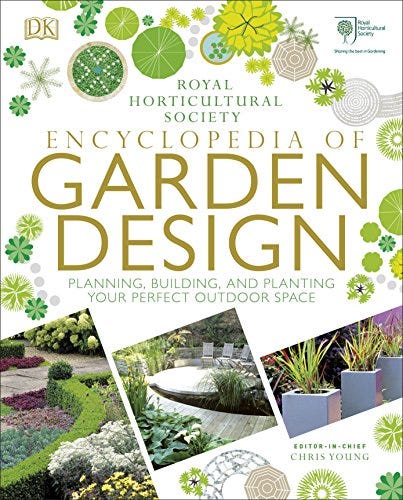
DK RHS Encyclopedia of Garden Design: Planning, Building and Planting Your Perfect Outdoor Space
If you're looking for new garden ideas, the RHS Encyclopedia of Garden Design will guide you from planning to planting, such as choosing the correct materials for your structures and assessing your drainage, to laying patios, making ponds, and planting perennials.
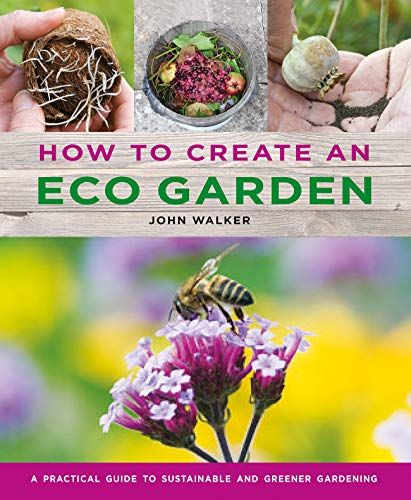
Lorenz Books How to Create an Eco Garden: The practical guide to sustainable and greener gardening
This planet-friendly book is filled with ideas for creating your own eco garden on any scale, from a small courtyard to a large garden or allotment. Discover organic techniques that improve biodiversity, learn the value of using recycled and reclaimed materials for landscaping, and take on simple projects such as making a pond and a wildlife hotel.
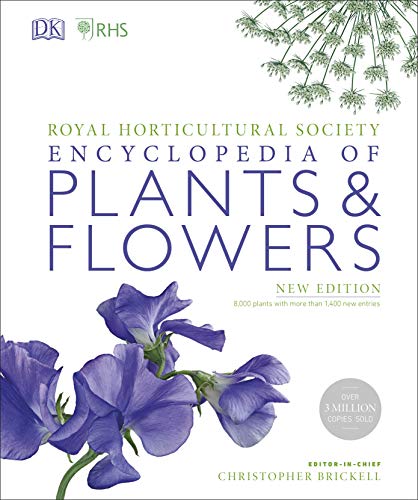
DK RHS Encyclopedia Of Plants and Flowers
Drawing on expert advice from the RHS, this best-selling reference book – organised by colour, size, and type, rather than as an A-Z directory – will help you select the right varieties for your outdoor space.
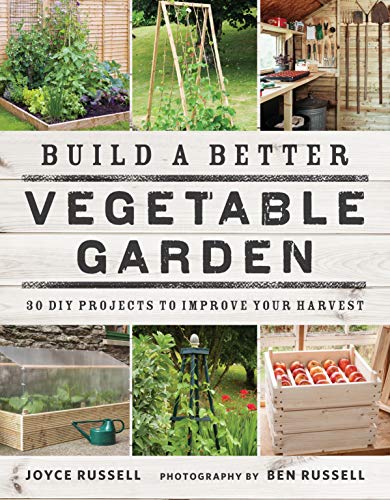
Frances Lincoln Publishers Ltd Build a Better Vegetable Garden: 30 DIY Projects to Improve your Harvest
Joyce and Ben Russell have devised 30 kitchen garden projects, devised to either extend the season, protect crops from pests or improve yields. These projects transform your vegetable plot into somewhere more productive, more attractive and more secure.
Lisa Joyner is the Deputy Daily Editor at House Beautiful UK and Country Living UK, where she's busy writing about home and interiors, gardening, dog breeds, pets, health and wellbeing, countryside news, small space inspiration, and the hottest properties on the market. Previously, she has written for Conde Nast Traveller, House & Garden and Marie Claire magazine. Lisa studied at University For The Creative Arts, where she completed a BA in Fashion Journalism.


