
Anyone who loves wildlife will appreciate the joy of seeing an array of different bird species up close and personal in their gardens, and January is the perfect time to give our feathered friends a little extra TLC.
With the cold weather still raging and winter storms in full force, we can take action with a few basic steps to help ensure that birds like great tits, blue tits, and more will continue to thrive this season.
What is the difference between great tits and blue tits?
Attracting birds to your garden is a rewarding thing to focus on, but with many birds possessing similar traits, how can amateur bird watchers tell which species they are looking at?
Emma Phipps, Scientific Research and Impact Manager at SongBird Survival, tells Country Living: "Blue tits and great tits belong to the same family and are very common visitors to UK gardens. Both species have yellow-green breasts, but they are easy to tell apart."
According to Emma, great tits are larger, with a bold black cap, collar, and throat, while blue tits are smaller and display a bright blue cap, wings, and tail, so looking for these key points whenever these beautiful birds visit your garden should help you to identify them correctly.


How to attract great tits and blue tits to your garden
You can encourage blue tits and great tits to your garden by providing them with some of their favourite foods and by cultivating the perfect environment for them to thrive.
The size of your garden doesn't matter, as birds will still visit. So, whether you have a small patio garden or acres of outside space, there are a few key ways to help care for birds, and these don't cost the earth.


Food to attract great tits and blue tits
Both species will happily visit bird feeders and enjoy a range of foods, including peanuts, suet balls, and seed mixes, says Emma.
You might find that bird feeders need to be in place for a few days before birds feel confident enough to approach them and eat the delicious food inside, but when they pluck up the courage, this will be a handy source of winter sustenance to help build up energy supplies during cold weather.


Provide fresh drinking water
Provide fresh water year-round for drinking and bathing. A shallow dish or bird bath works well, says Emma. If you have the space, you could think about creating multiple hydration stations for birds that are dotted around your garden at various places.
The RSPB suggests creating a shallow puddle of water, with a rock or two for perching on. This way, the birds won't get out of their depth and have a place to rest and enjoy what has been provided for them. Place your bird bath in an open flat area of the garden, with no long grass where predators may be hiding, ready to pounce.


Create a cosy nesting box
It may seem obvious, but providing a nesting box is an essential way to help birds thrive and encourage them to visit your garden year after year. Place nesting boxes next to foraging spots to ensure that birds have easy access to food when needed.
Providing a nesting box with the correct-sized entryway for the birds you want to attract is key. Emma tells Country Living: "Blue tits and great tits readily use round-holed nest boxes. For great tits, choose an entry hole of 32mm, while 25mm is suitable for blue tits."
Leave space for shelter
Emma notes that it is important to consider our feathered friends when designing our gardens, and suggests planting trees, hedges, and shrubs at varying heights to offer birds safe hiding places, nesting spots, and protection from predators.
Dense shrubs and hedges are preferred by birds, with berrying and fruiting shrubs like Pyracantha 'Orange Glow' also providing a good source of food, thanks to their abundant production of bright orange berries.
20 gardening tools and essentials you can get delivered to your home right now
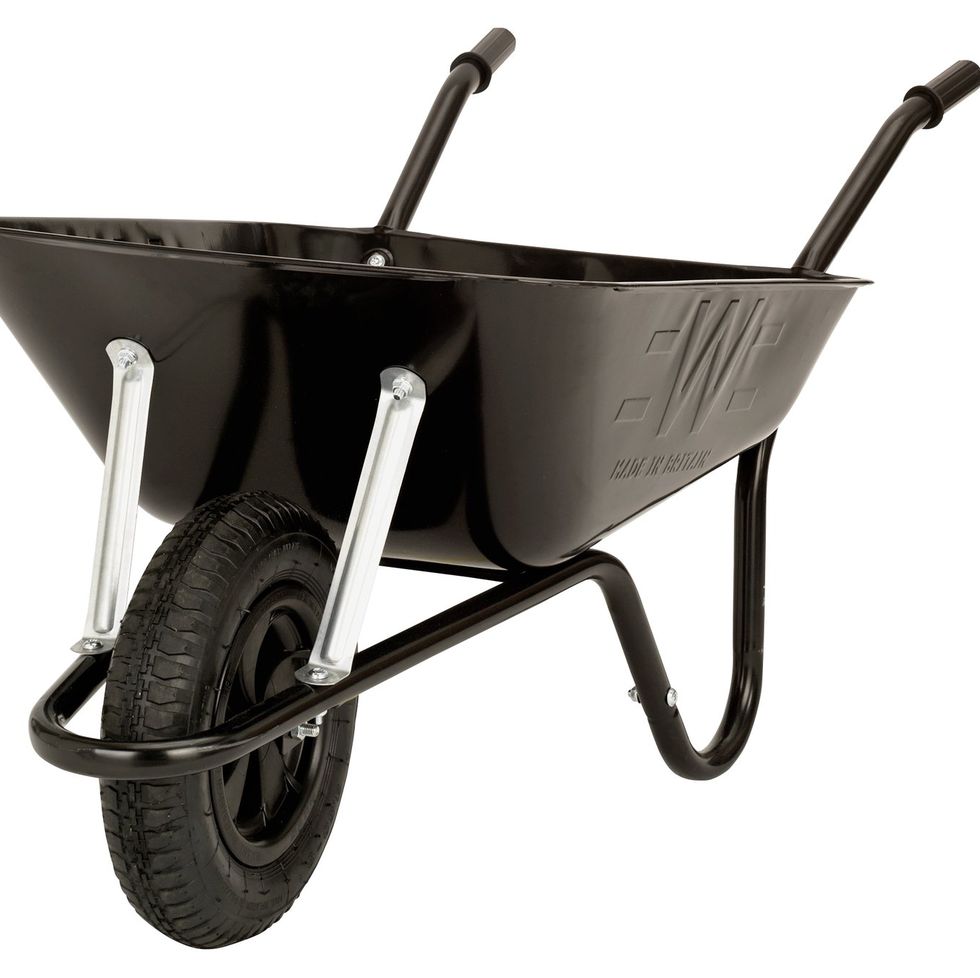
Moving mulch, compost or soil to your garden beds? A wheelbarrow is an essential to save your back. One-wheeled, two-handled options are great for manoeuvrability, but if you're limited in strength you may want to opt for a dual-wheeled one.
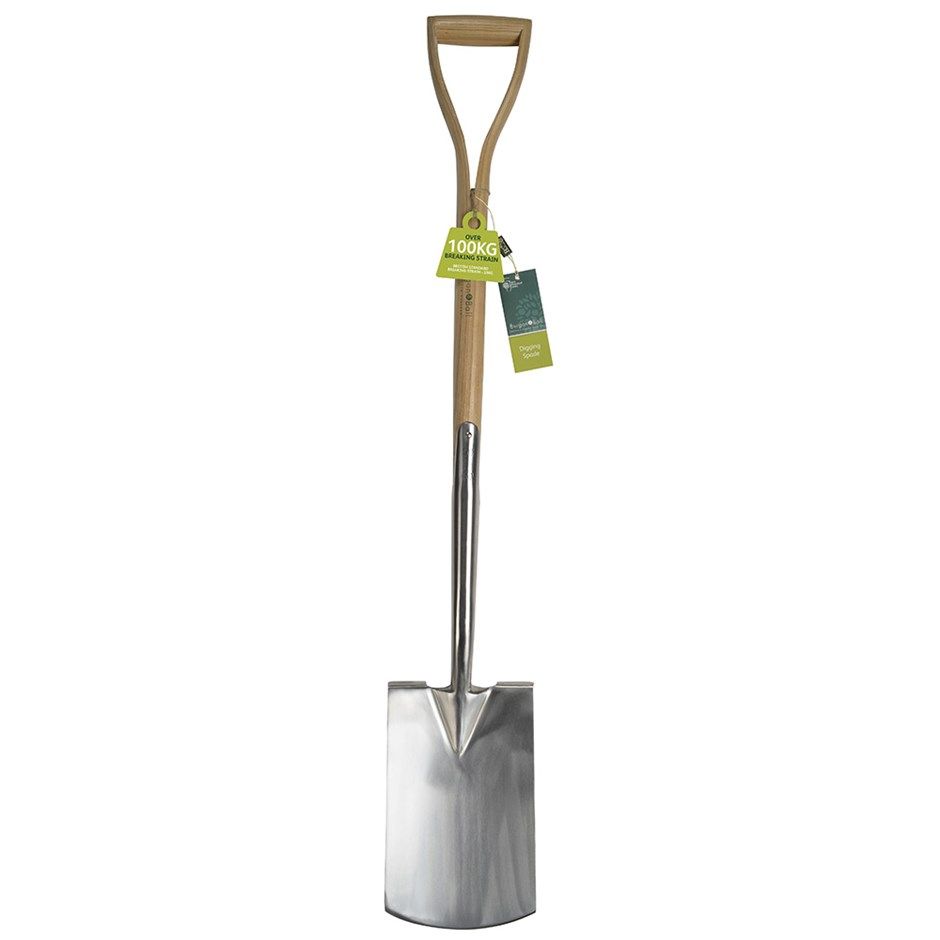
A fantastic spade that's RHS-approved, this stainless steel choice is rust-resistant and won't need regular sharpening, making it easy to maintain. Long-handle spades like this are great for digging large plots and transferring soil (not to mention being easier on your back). This is also a sustainable choice with the handle made from FSC-certified ash.
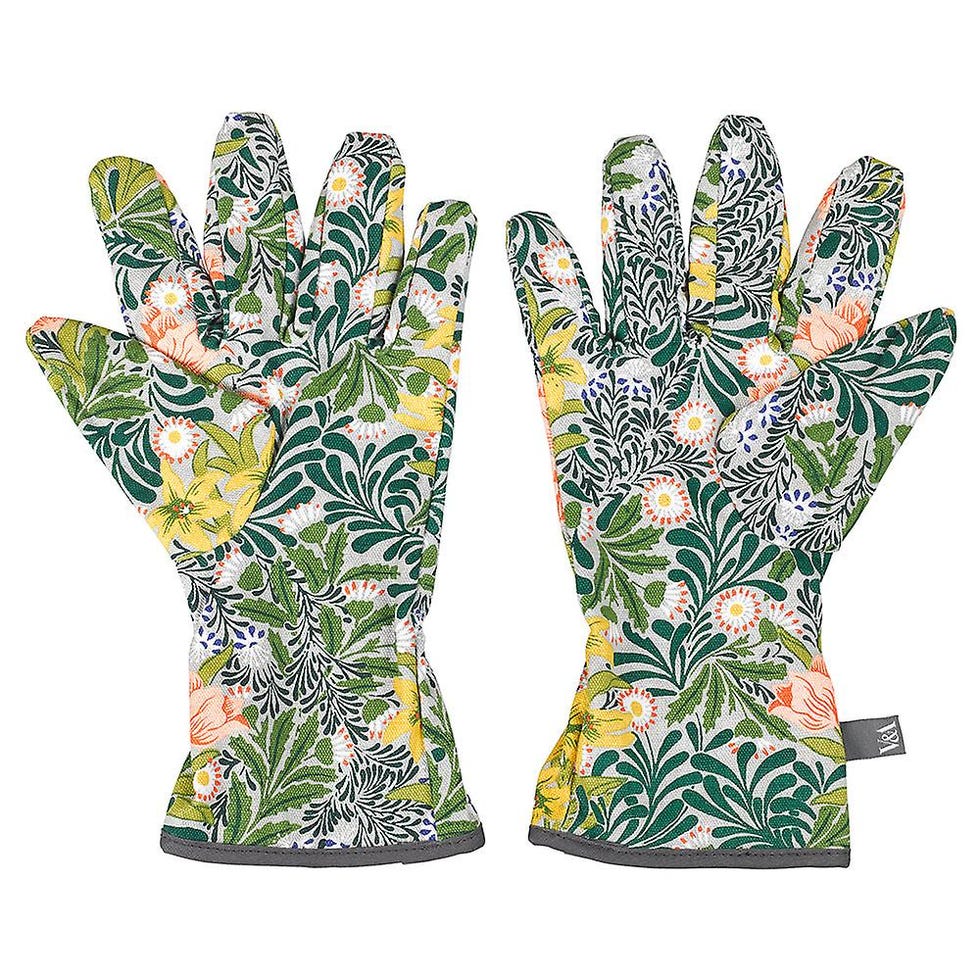
V&A William Morris Gardening Gloves
Add a splash of bold and beautiful colour to your garden activities with these stylish William Morris-print gloves. Not just for good looks, of course, they'll also protect you from thorns and brambles while you're working.
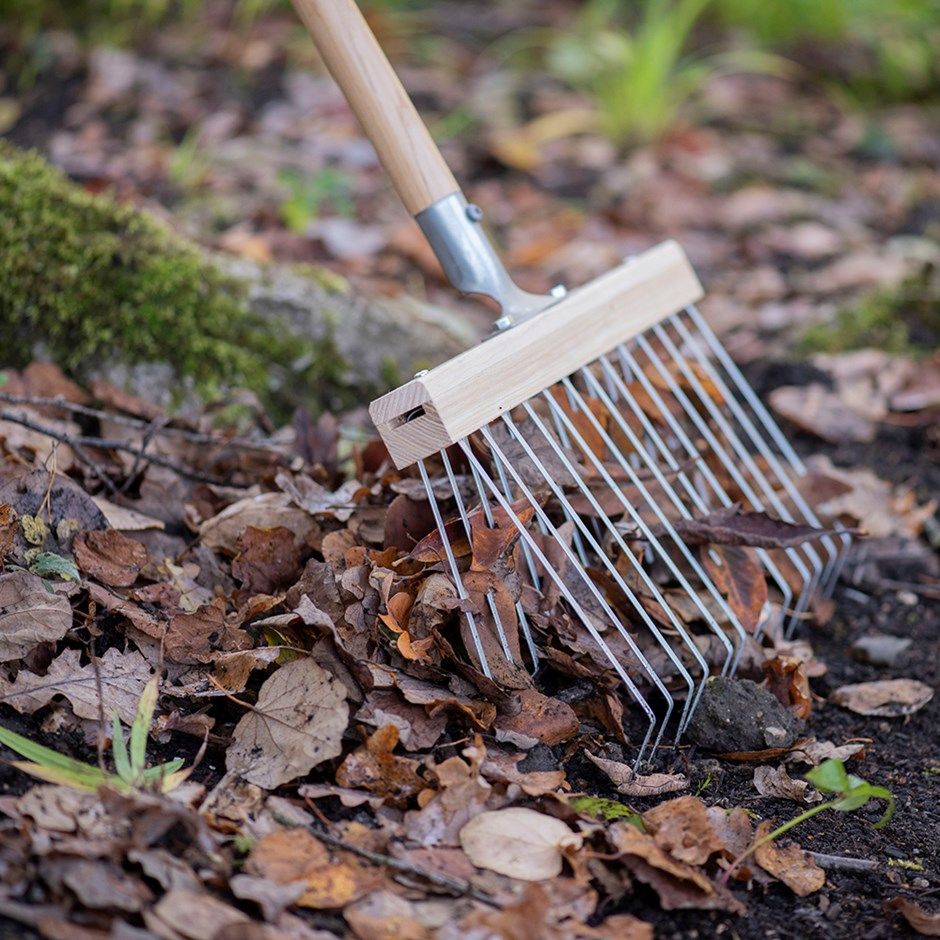
Keep your garden looking spic and span and free from leaves and debris with this top-notch DeWit rake, which makes clearing up much more pleasurable.
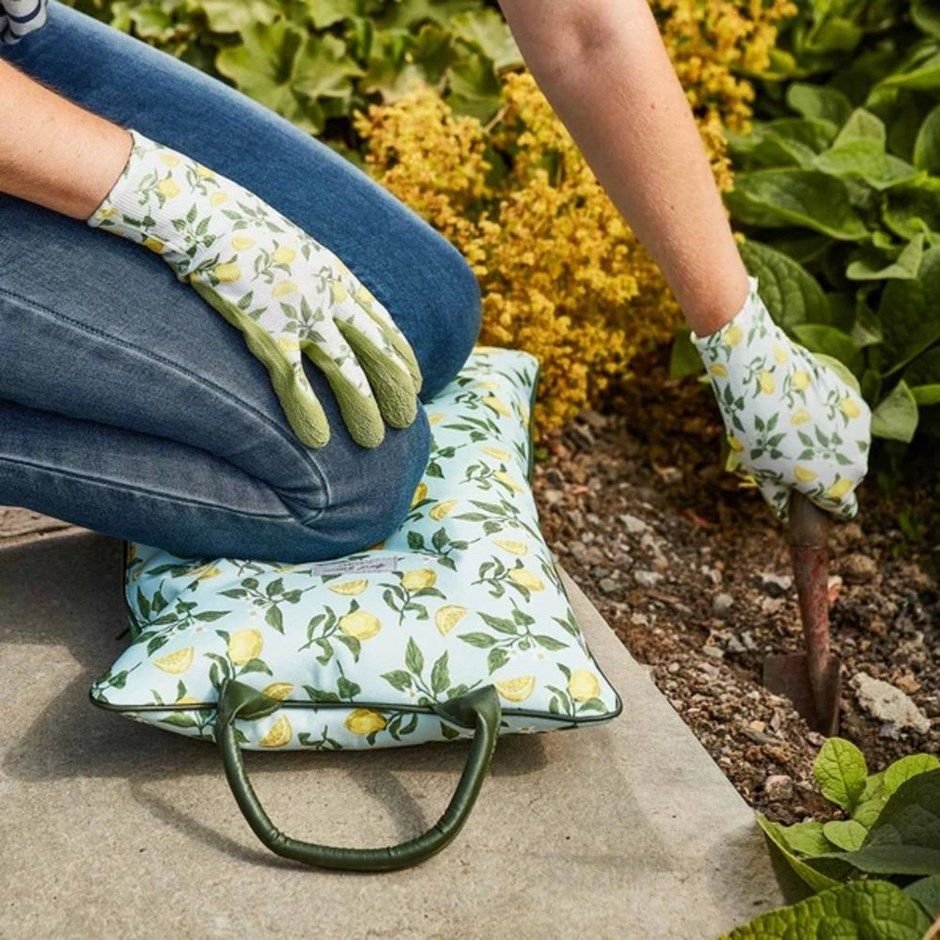
Sicilian lemon kneeler pillow
Protect your knees while getting in amongst the borders with this pretty kneeler. Or you might prefer strap-on knee pads so you don't have to keep moving it – BUY NOW, £14.99
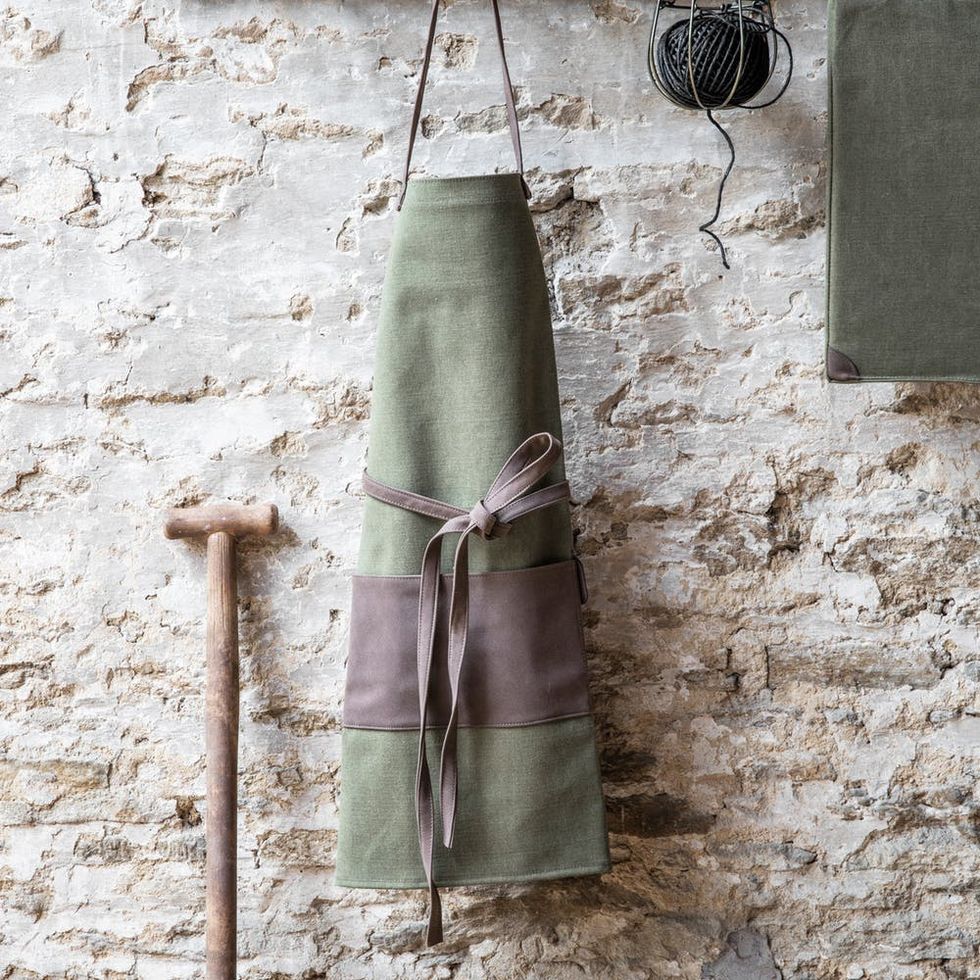
Protect your clothes and get organised with a stylish gardening apron. Whether you're planting new flowerbeds, picking vegetables or potting around in the shed or greenhouse, this trusty apron will ensure clothes stay clean. What's more, all important tools, seeds and more can be stored close to hand in the front pocket.
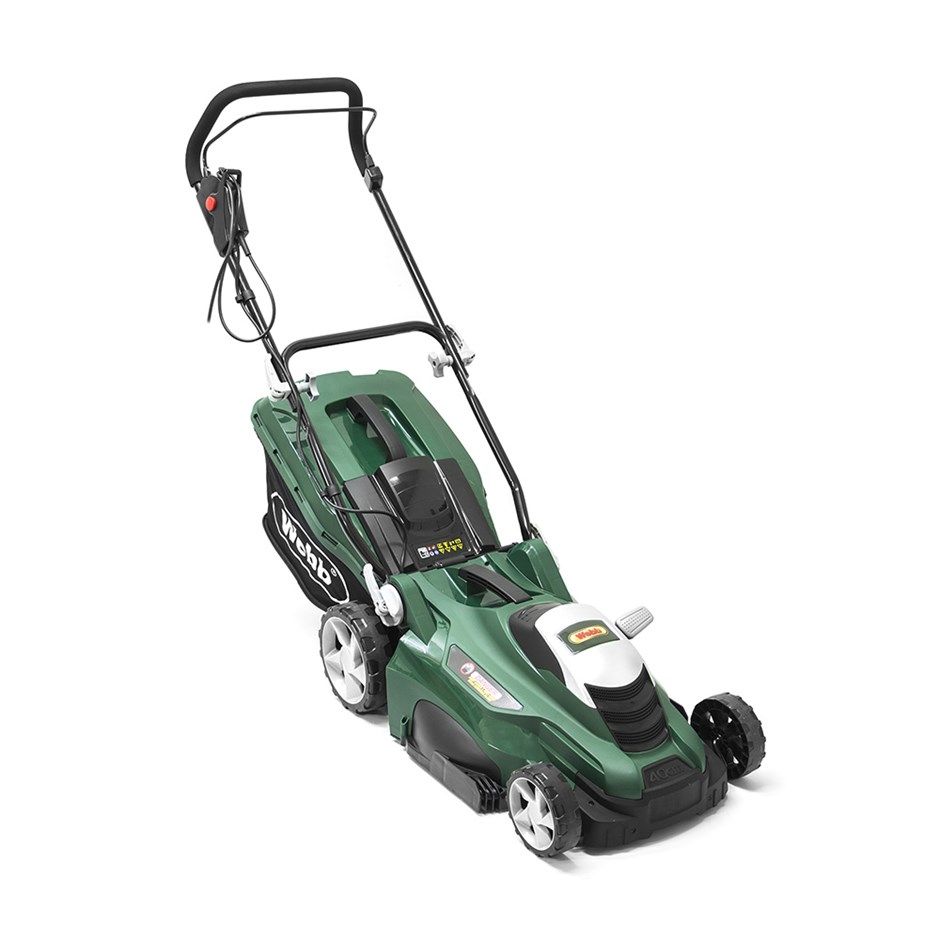
Webb electric rotary mower ER40 15"
Opt for a more eco-friendly electric lawnmower as opposed to a petrol one.
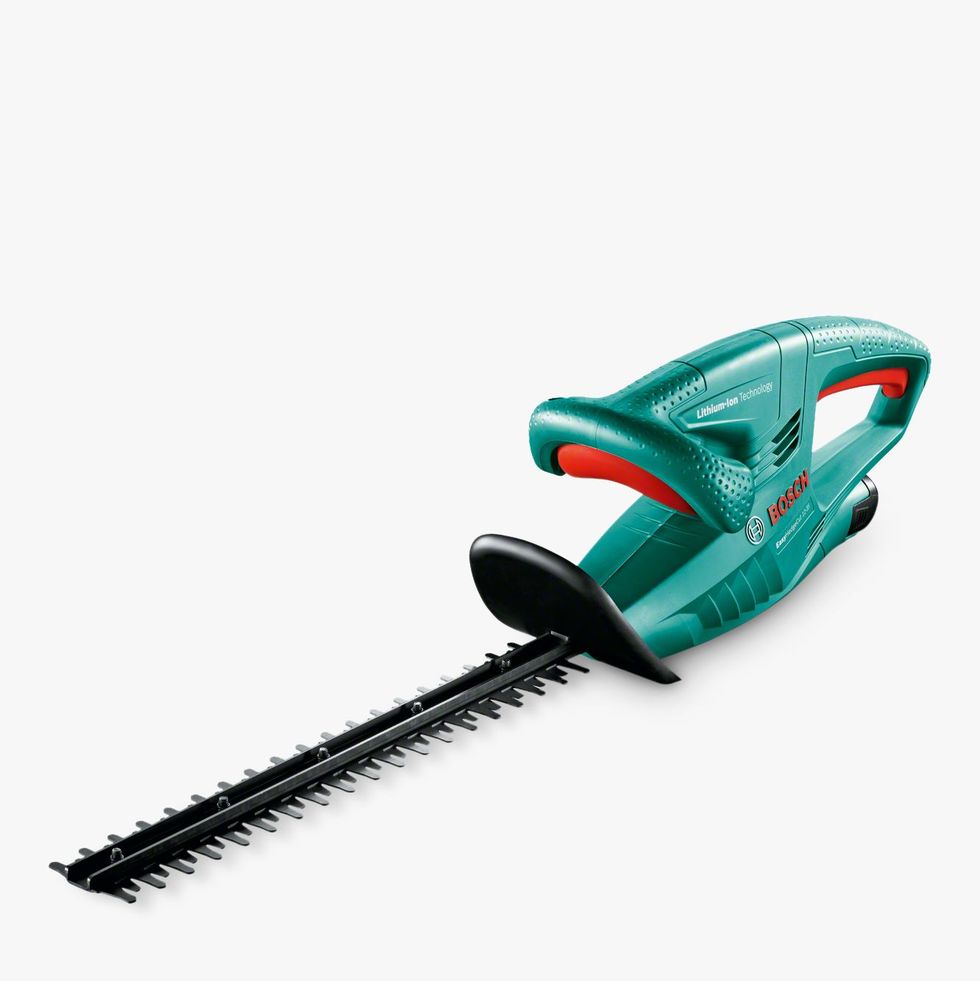
Ensyure your hedges and borders looks super-smart with an easy-lift, lightweight, cable-free trimmer for quick and easy grooming.
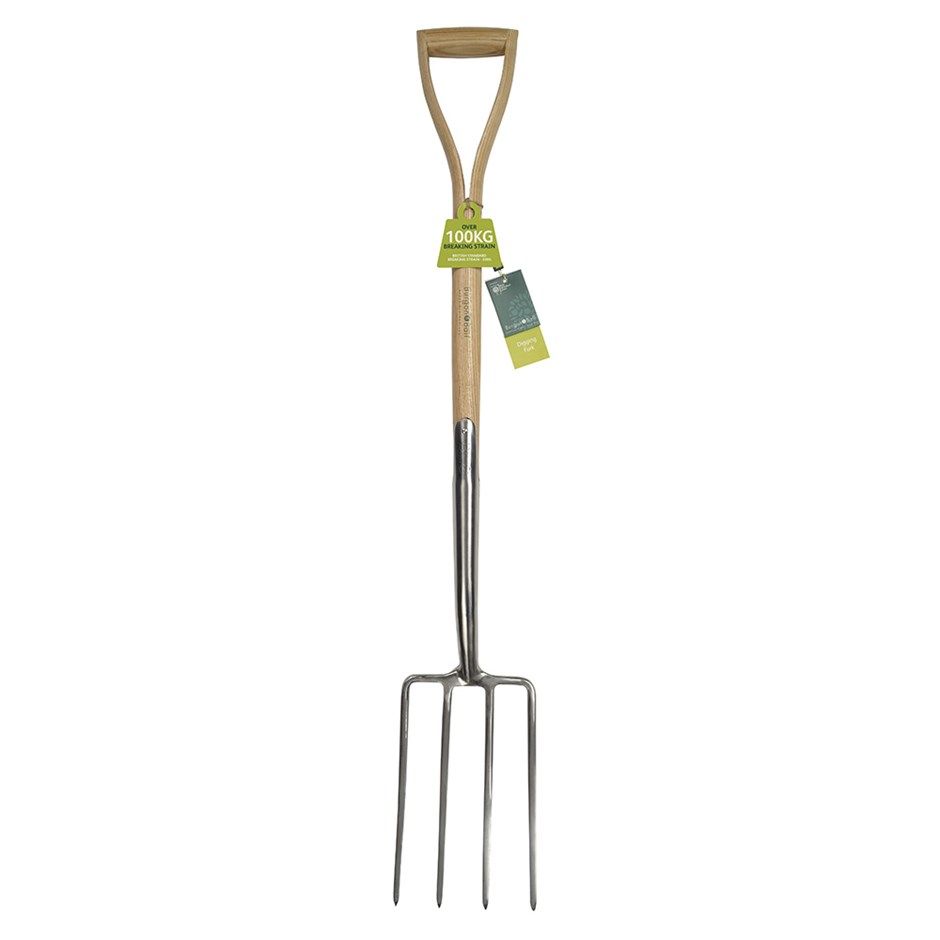
RHS Burgon and Ball stainless steel digging fork
An efficient tool for turning soil, garden forks can dig into dense soil better than a spade. This one made from rust-proof stainless steel with forged tines for extra strength, is a high-quality digging fork that's endorsed by the RHS. Need we say more?

personalised Personalised Fork And Trowel Gardening Set For Gardener
This personalised fork and trowel set is the perfect gift for your gardening-loving friend.
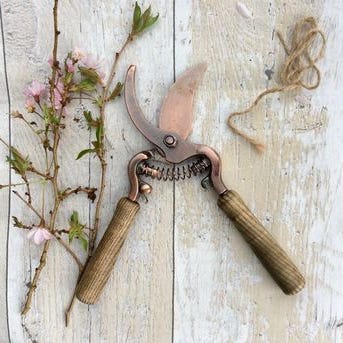
Personalised Copper Plated Garden Pruner Secateurs
Plants taking over? Pruning shears, or secateurs as they're also known, help reign in plants that are getting out of control. They're also perfect for trimming flowers, like roses. Why not match yours to your hand trowel and fork for stylish trio?
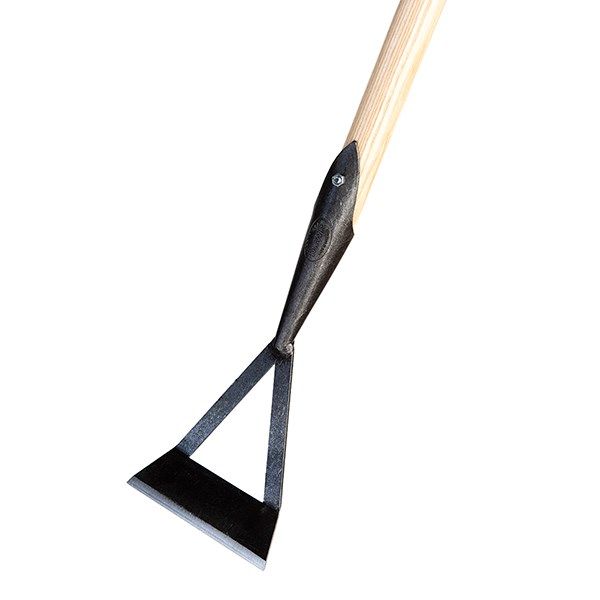
This well-crafted garden hoe will make light work of clearing weeds from your flower beds, borders and veg plots. The extra-long handle will also protect you from back strain.
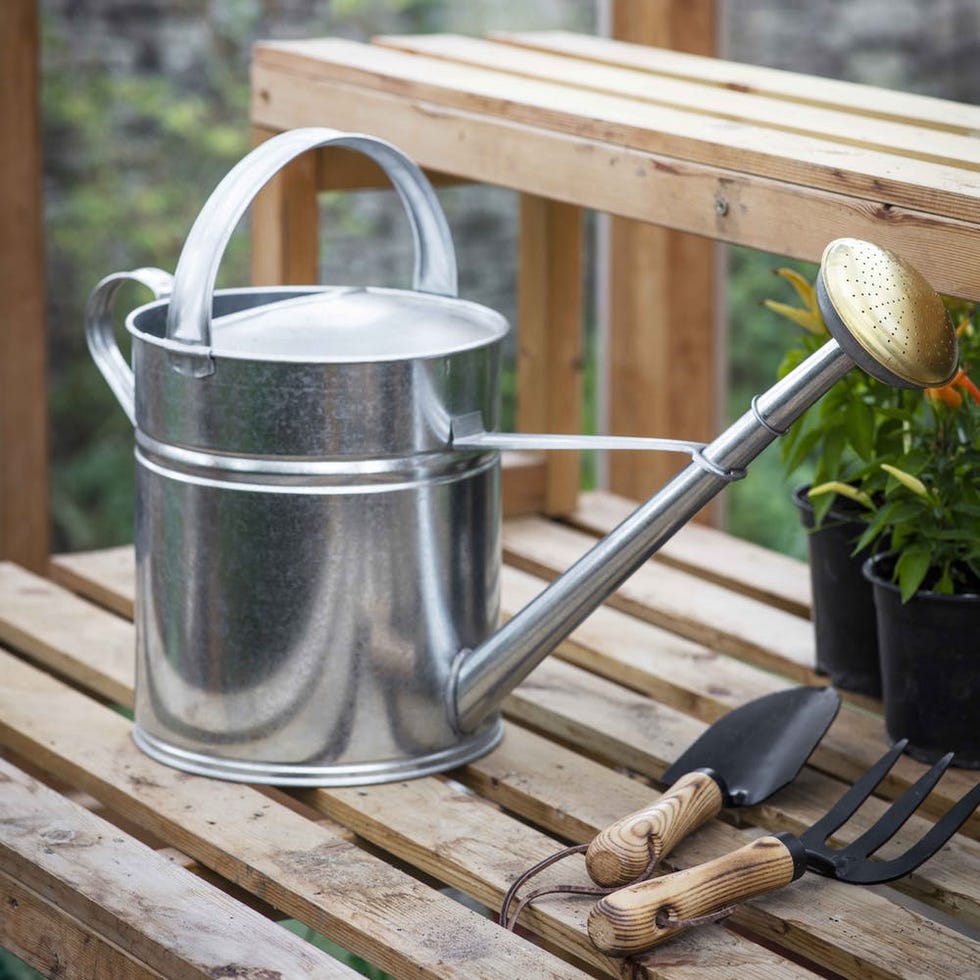
All gardens need a trusty watering can to keep flowers and plants thriving. This durable one is available in three sizes, so you can choose the one to suit your outdoor space. The 1.5L is perfect for herb pots on plant stands. The 5L for small gardens with plant pots and flowers. And the biggest, the 10L for vast rural flowerbeds and herb gardens.
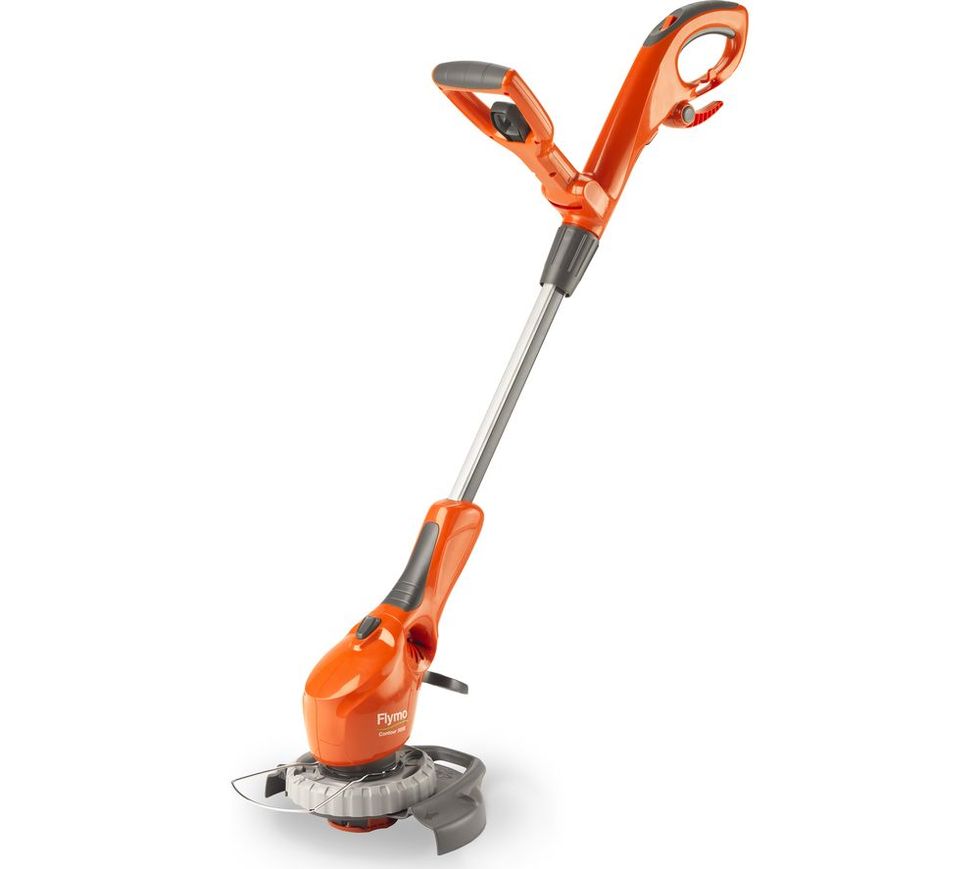
Tackle a variety of different tasks around your garden with ease with the simple press of a button. This handy trimmer can be used to edge the borders of your lawn, and a wheel is fitted to the trimmer, making it easier to follow the edges around walls and fences. There's also a shrubbing mode, making it simple to tackle difficult-to-reach areas, like under benches and bushes.
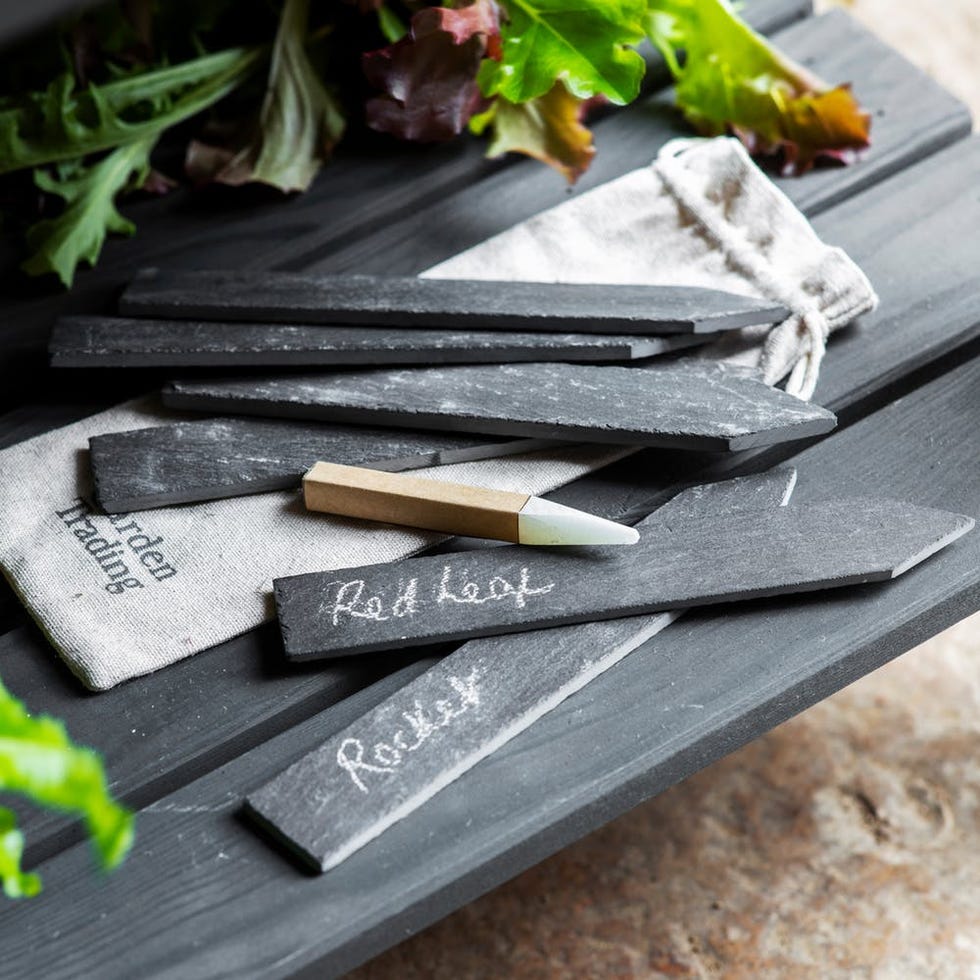
Keep track of what you've planted with these stylish slate plant labels. The set comes complete with a square soapstone pencil, which allows you to interchange the labels with what's in season or current family favourites
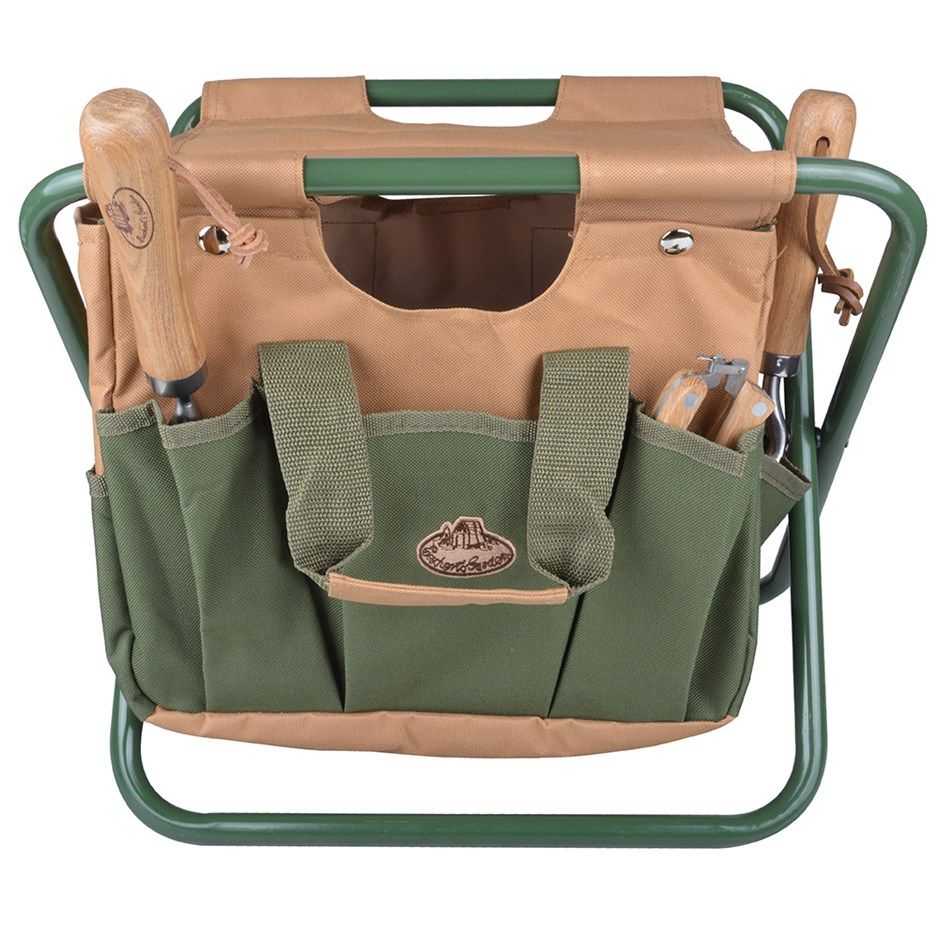
Keep everything together in a clever storage box that also doubles up as a foldable seat. You'll enjoy gardening so much more if you're comfortable and everything is to hand. The removable bag fastens with press studs and includes spacious side compartments for hand tools, dibbers, pens, string, and other necessities, and a central section perfect for larger items or a spot of lunch.
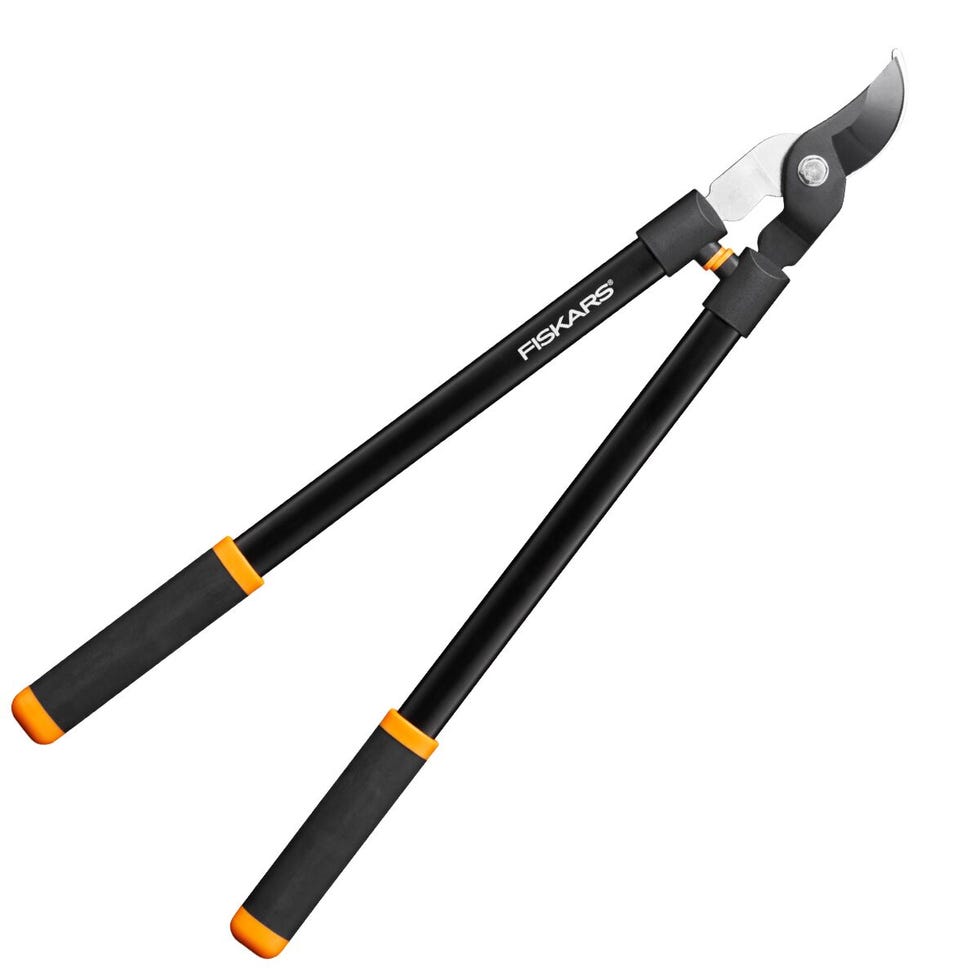
Another handy cutting tool, loppers are basically long-handled pruning shears used to trim hard-to-reach areas and cut thicker branches.

RSPB Garden wildlife camera - new
Don't miss the incredible action going on in your own garden. A good wildlife camera will capture all the exciting activity. This one from RSPB can be used to view anything from birds on a feeder, bird tables and nest box entrances, to hedgehogs and other nocturnal wildlife. It can also even be used to keep an eye on the garden or house as a security camera.
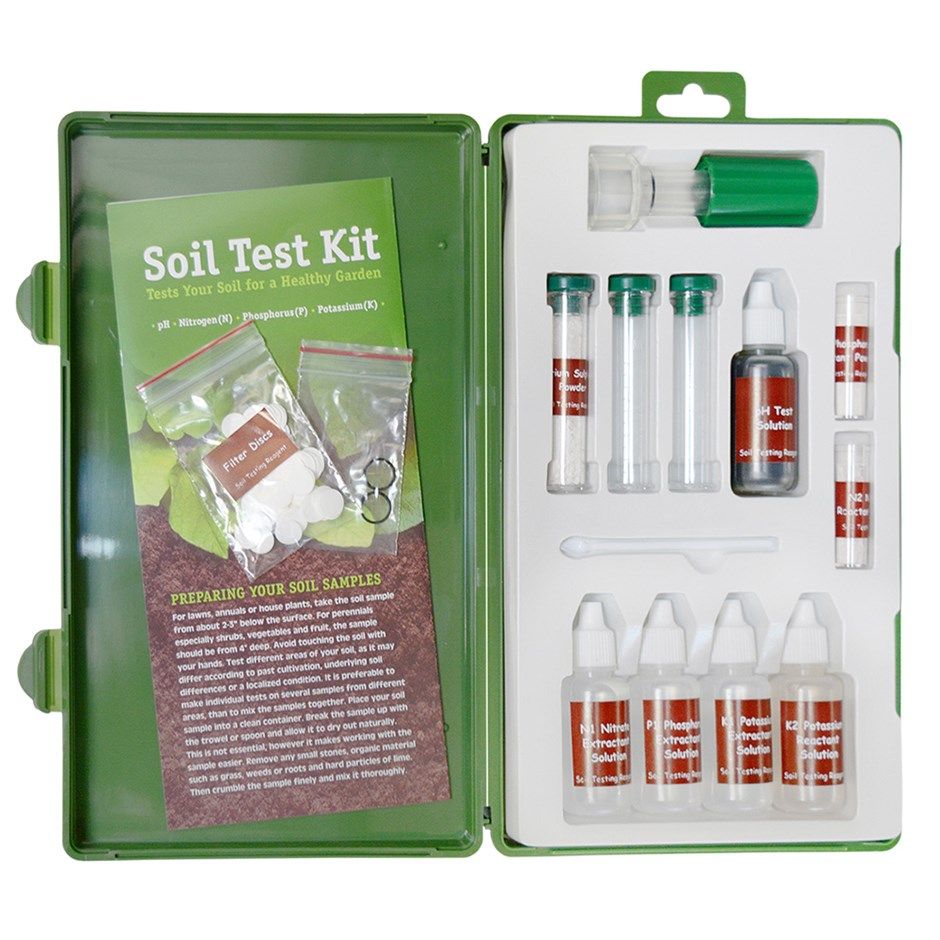
Maintain an ideal growing environment with an easy-to-use soil tester kit. You can test the pH and nutrient profile of your soil, think soil acidity and levels of nitrogen, phosphorus and potash, to see if it needs extra help.
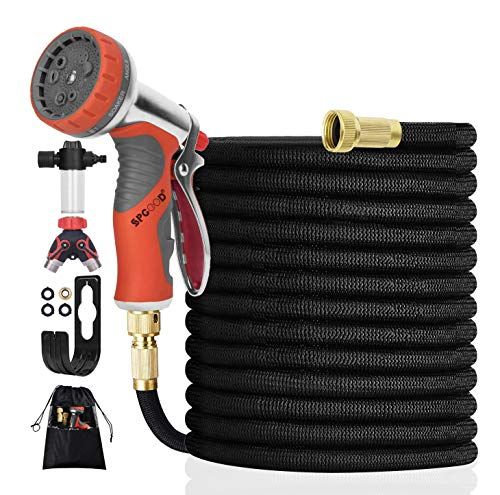
SPGOOD 50FT/15M Expanding Garden Hose Set with Splitter, Foam Water Bottle Expandable Garden Hose, 9 Futions Spray
Water is the foundation of your garden’s life and it’s important that your garden hose can reach and spray every area. If you buy one with an adjustable nozzle, it puts you in control of the water pressure and spray radius. You can also buy nozzles separately.

Becky is a freelance journalist based in Somerset, UK, specialising in all things home, gardens, lifestyle, and entertainment. With a love of classic rom-coms and a penchant for romanticising her own everyday life, she enjoys embracing cosy, slow living with her family and their crazy Welsh collie, Cookie. Becky has been published in publications such as Cosmopolitan, The Independent, The Evening Standard, The Telegraph, Collider, Happiful Magazine, OK! And many more.


