
Unglazed terracotta pots are affordable, attractive and ideal for creating a flexible display in a small garden, on a balcony or across a patio. But in the current heatwave, their biggest drawback is becoming difficult to ignore: porous terracotta loses moisture much faster than plastic or glazed ceramic.
That’s good news for plants that like dry conditions, but less so for those that depend on consistently moist soil. Put the wrong plant in terracotta now and you could find yourself constantly reaching for the watering can especially as UK temperatures continue to soar.
So, whether you're planning to grow a collection of easy-care houseplants to create a calming, peaceful space, or you're building a container garden on your porch or patio, read on to find out whether terracotta pots are right for you...
When not to use terracotta pots
Terracotta pots are made from iron-rich, unglazed earthenware clay. The iron gives them their distinctive red colour and, because they are unglazed, they have a matte, flat-looking finish. This unglazed surface is also very porous, which means they dry out quickly.
While unglazed pots work well in certain conditions (more on that below), their porosity makes them less suitable for water-loving plants.
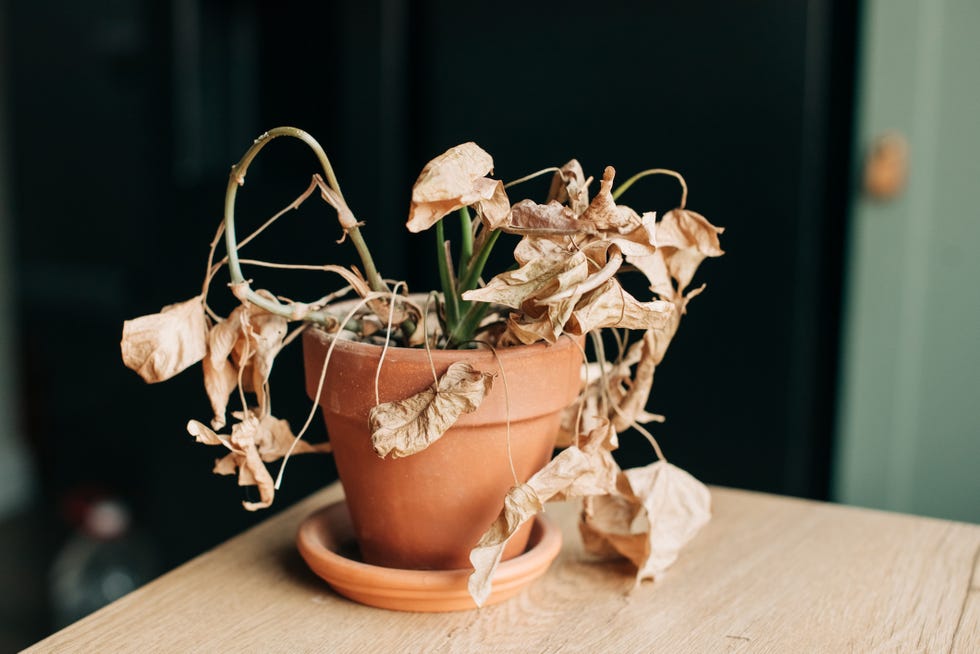
Ferns, peace lilies, and philodendrons prefer consistently moist soil. While you can plant these in unglazed terracotta, you’ll find yourself watering them more often than you'd probably like.

The same goes for any outdoor plants in terracotta containers – especially during hot spells, when they may need watering more than once a day. Although lining the pot can help it retain some moisture, high-maintenance watering will probably still be necessary.
Check the compost regularly rather than watering to a fixed schedule, as factors such as the plant, pot size, wind and amount of sun will affect how quickly it dries.
While cold weather may be far from our minds during the current heatwave, pots are obviously for year-round use—not just for summer.
Terracotta pots are also prone to cracking and chipping in freezing temperatures. Because they absorb moisture from the air or soil, the water inside can expand when temperatures drop below freezing, causing the pots to crack or split.
If you live in an area that experiences freezing winters, it’s best to avoid using terracotta pots for any plants you plan to leave outdoors year-round.

When to use terracotta pots
Although the porous nature of unglazed terracotta isn’t ideal for every plant, some plants – particularly succulents, cacti, and orchids – will thrive in them. These plants prefer well-draining soil and can suffer if their roots sit in water for too long.
While you can improve soil drainage by adding materials like sand or perlite, using an unglazed terracotta pot enhances drainage even further by wicking moisture away from the soil.
Terracotta pot edit


Bordo Italia Italian Terracotta Plant Pot

Verve Laleh Brown Terracotta Grow pot (Dia) 27.3cm, (H)24.4cm, 9L
Charlyne Mattox is the Food and Crafts director with over 20 years recipe development, recipe editing, and crafting experience. Prior to starting at Country Living in 2014, she worked in the crafts department at Martha Stewart Living and Martha Stewart Kids before attending cooking school at the Institute of Culinary Education in New York City. She was nominated for a James Beard media award while a senior editor at Real Simple magazine and authored a cookbook Cooking with Seeds.
When not in the kitchen she loves to garden, focusing on growing flowers and kitchen herbs (of course), watering her 25 house plants, and knitting scarfs or hats she will never be able to wear in the always hot and steamy Alabama.


