
Every RHS Chelsea Flower Show exhibitor strives to win a Gold medal, but gardens will now also be judged on how eco-friendly they are to reflect the demands of sustainable gardening.
For years, gardens have gone through a rigorous judging process to win Gold, Silver-Gilt, Silver and Bronze medals based on their delivery of initial brief, design, concept, originality, layout, construction, planting and much more – but it looks like things could get even harder next year.
James Alexander-Sinclair, who has been an RHS judge since 2008, told The Telegraph that this year judges were testing questions on a selection of entrants based on their carbon footprint. On the hunt for perfection, they will look out for gardens that avoid peat, use less concrete and choose locally sourced materials. If the questions are appropriate, judges will implement them for real in 2023.
"We are very aware that Chelsea gardens need to be more sustainable than they have been in the past," said James. "We are certain that every single garden that's coming to Chelsea this year has got a future, and something we are looking at for the future is rewarding the use of sustainable materials and approaches.
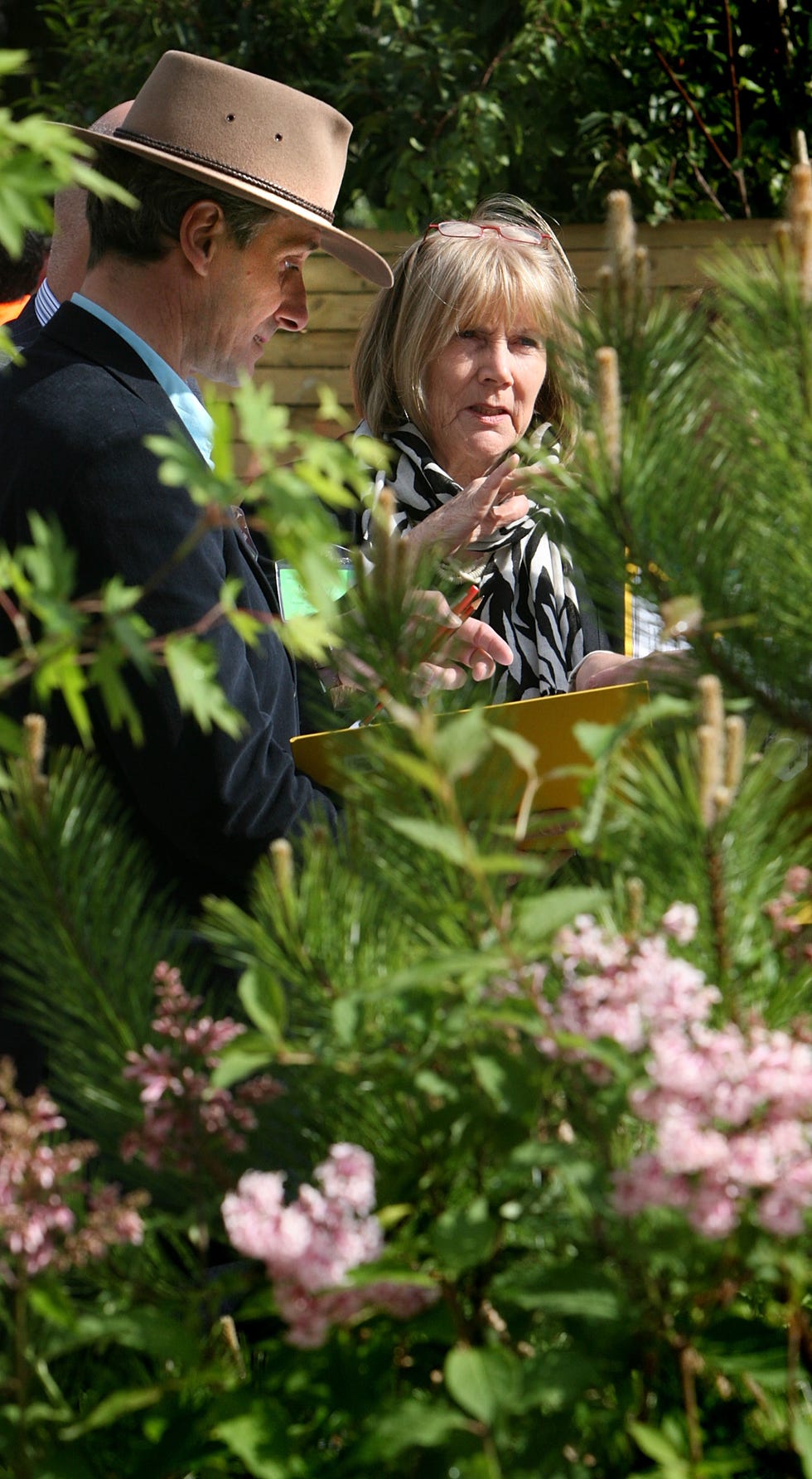

"This year it's a separate parallel judging process, where we are testing new criteria. An experimental judging panel made up of experienced judges will look at how the gardens would do if we judged them against that criteria."
As well as having better eco credentials, gardens at the Chelsea Flower Show will also need to have a clear plan about what will happen to the plants, flowers and structures afterwards. In order to prevent waste, the RHS is pushing for more gardens to be resurrected elsewhere.
James explains: "When they submit their designs, one of the questions is about sustainability — how they propose to recycle the garden, and also where the materials are coming from — have they use local materials, have they used materials that are from the UK or have they had to come from miles abroad, which means a bigger carbon footprint."
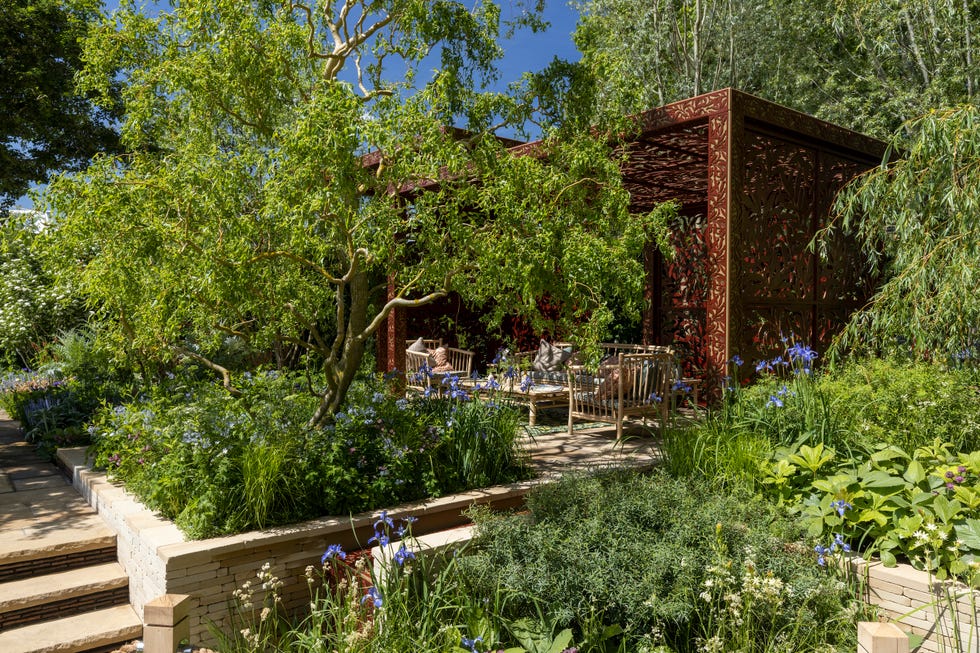

We have seen this already, with many garden designers revealing plans for their beautiful spaces to live on. Joe Perkins' The Meta Garden: Growing the Future is partnering with the National Forest to re-home the garden so that millions of people can enjoy it for years to come. Meanwhile, elements of the Morris & Co. Garden will be relocated to three community gardens within Islington's Packington Estate to inspire a new generation of gardeners.
In other eco news, last month the RHS announced that artificial grass would be banned from its shows due to its damaging effect on the environment which does not align with its ethics.
Ed Horne, Head of Communications at the RHS, said: "We launched our sustainability strategy last year and fake grass is just not in line with our ethos and views on plastic. We recommend using real grass because of its environmental benefits, which include supporting wildlife, mitigating flooding and cooling the environment."
13 stylish garden hammocks to help you unwind outdoors this summer


This colourful hammock, handmade from a durable blend of cotton and polyester, is a real statement. You can either hang it from the stand or secure it between two trees if you have a garden large enough.
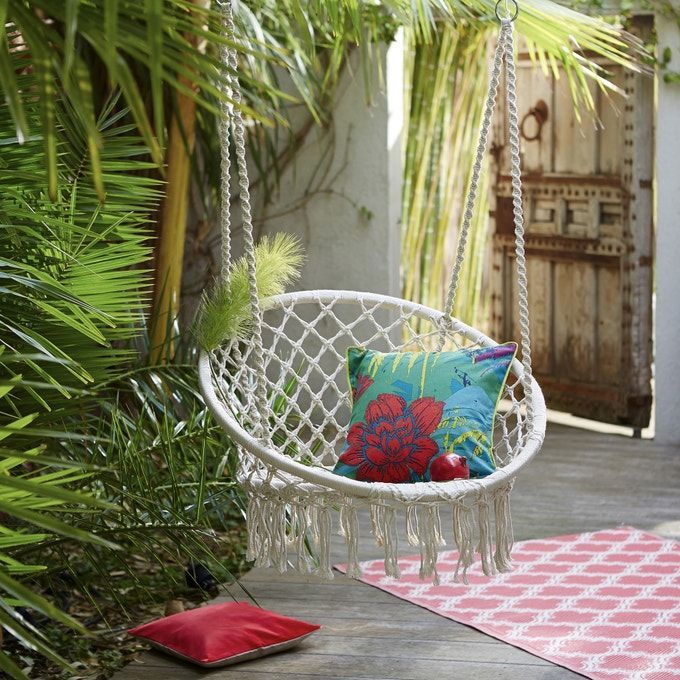
On the hunt for a hanging hammock chair? Made from a polycotton weave, this lovely designe is great for both indoors and out. It will be delivered fully assembled, but it's worth knowing that you have to order the hooks separately. We love the fringing detailing, which adds a summer boho vibe.
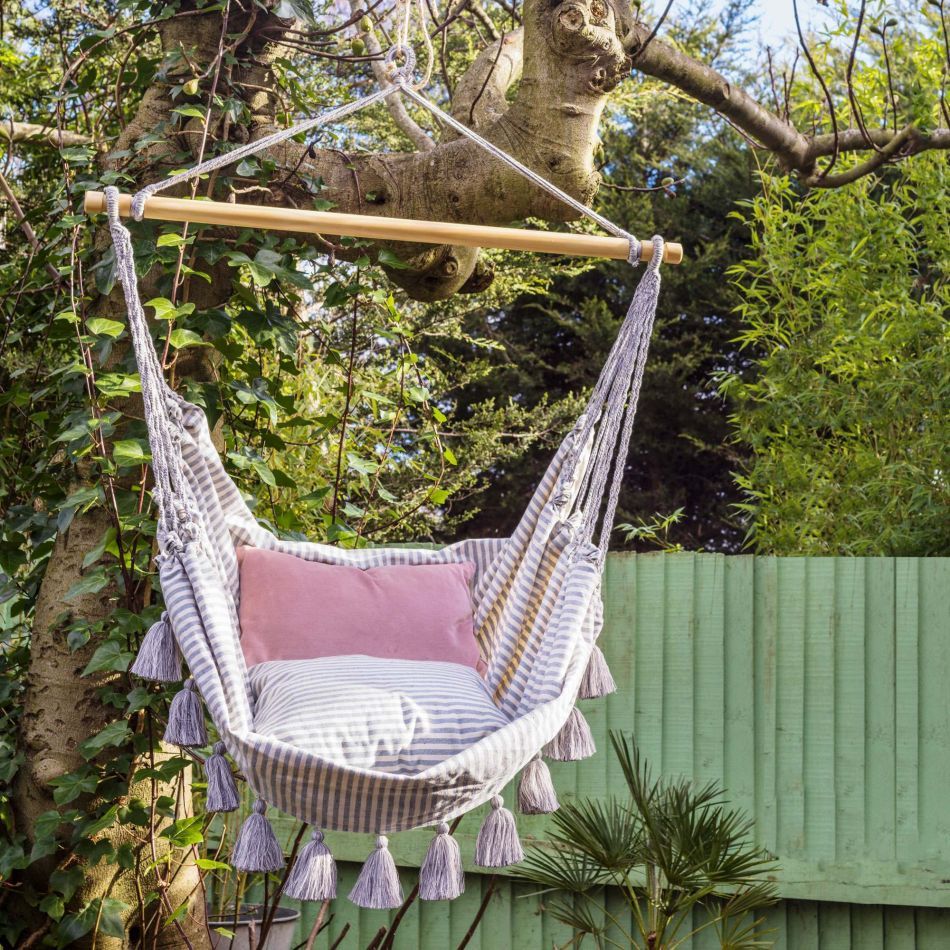

The Business & Pleasure Co Stripe-print teakwood and canvas hammock 220cm x 105cm
With a cosy canvas hammock, this design has an all-over striped pattern, padded quilted design, and teakwood ends. Crafted from the brand's signature sturdy umbrella canvas, it can easily be taken to the beach or placed in the garden.
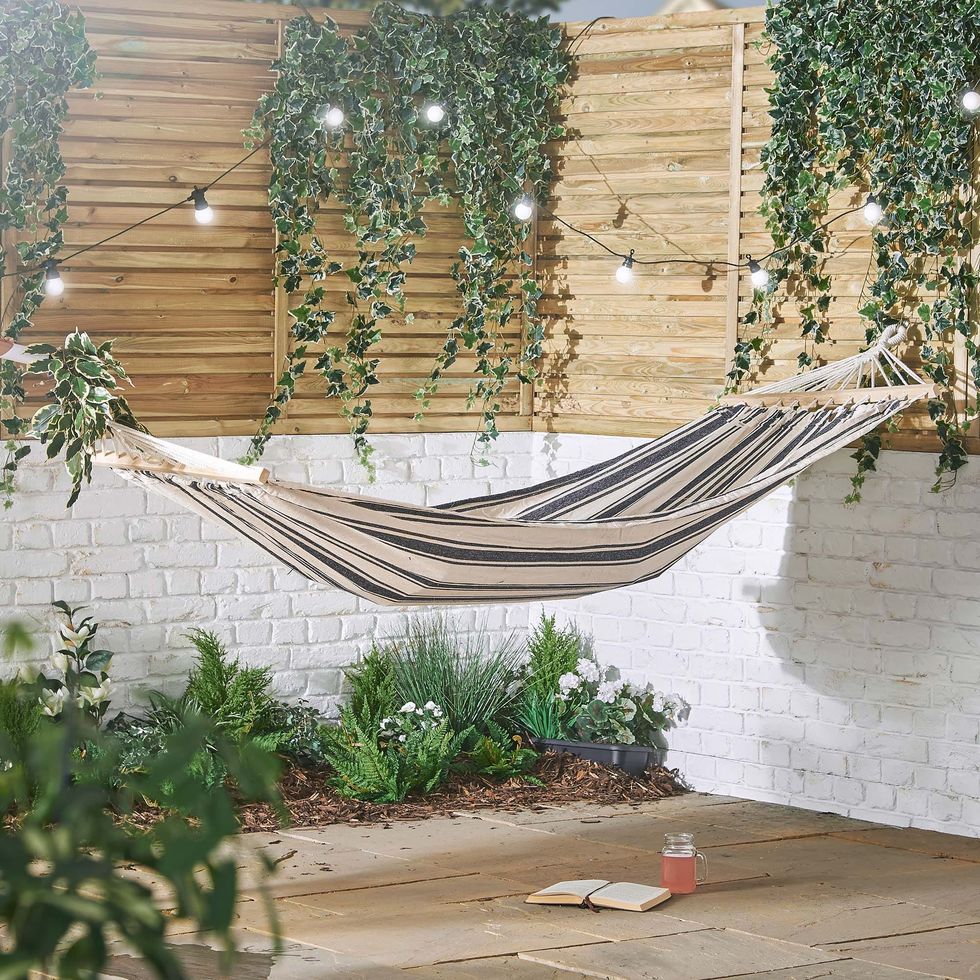
A garden sofa might provide a more communal spot to relax, but there's something incredibly calming about swinging on a hammock. We've got our eye on this brand new nautical-inspired hammock from Wayfair, which is available to snap up for just £23.99.
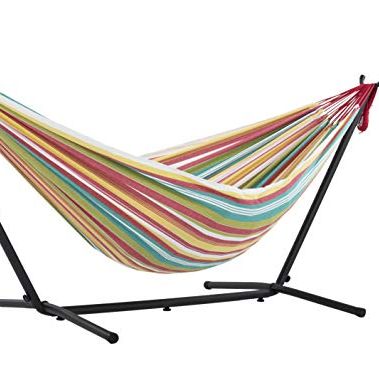
Brighten up your outdoor space with this rainbow-inspired double cotton hammock. It has a space-saving steel stand, carrying case (ideal if you want to take it on a picnic), and adjustable hammock hooks.

notonthehighstreet.com Hammock With Tassel Fringe
Relax on lazy summer days with this beige cotton hammock with matching tassels. Thanks to loops at either end, it's easy to hang onto tree branches in the garden. Simply pop your favourite cushions on and enjoy! Perfect for hanging around in the garden in style.
READ MORE: 14 stylish outdoor cushions to buy for your garden
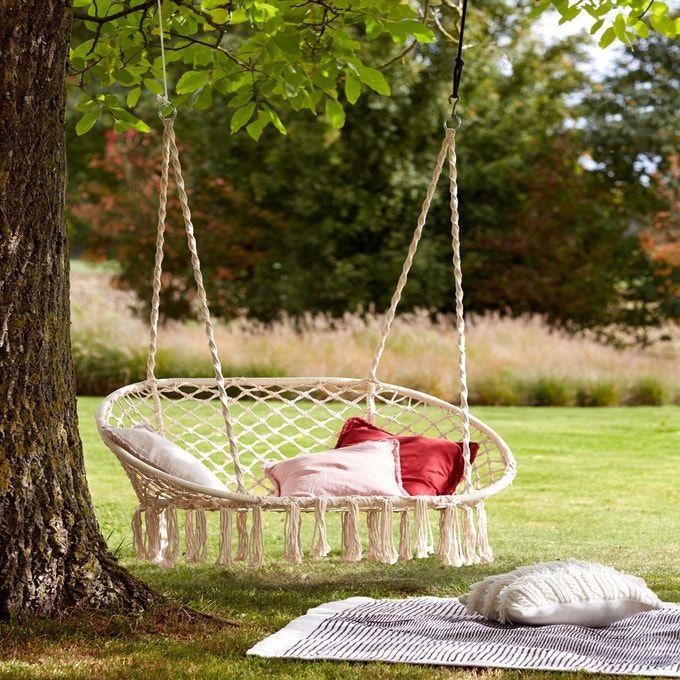
This hanging hammock swing seat is brilliant for couples to soak up the sunshine in the garden together. Made from polycotton fabric with fringing, it's great for adding a statement to your outdoor space. This one is great to consider if you're looking to spend a bit more on a statement garden feature.

This blue stripe hammock from Cox & Cox has been made from cotton, polyester and teak wood. Sturdy and comfortable, it's the perfect outdoor accessory. The only problem would be having to come back inside once the sun disappears.
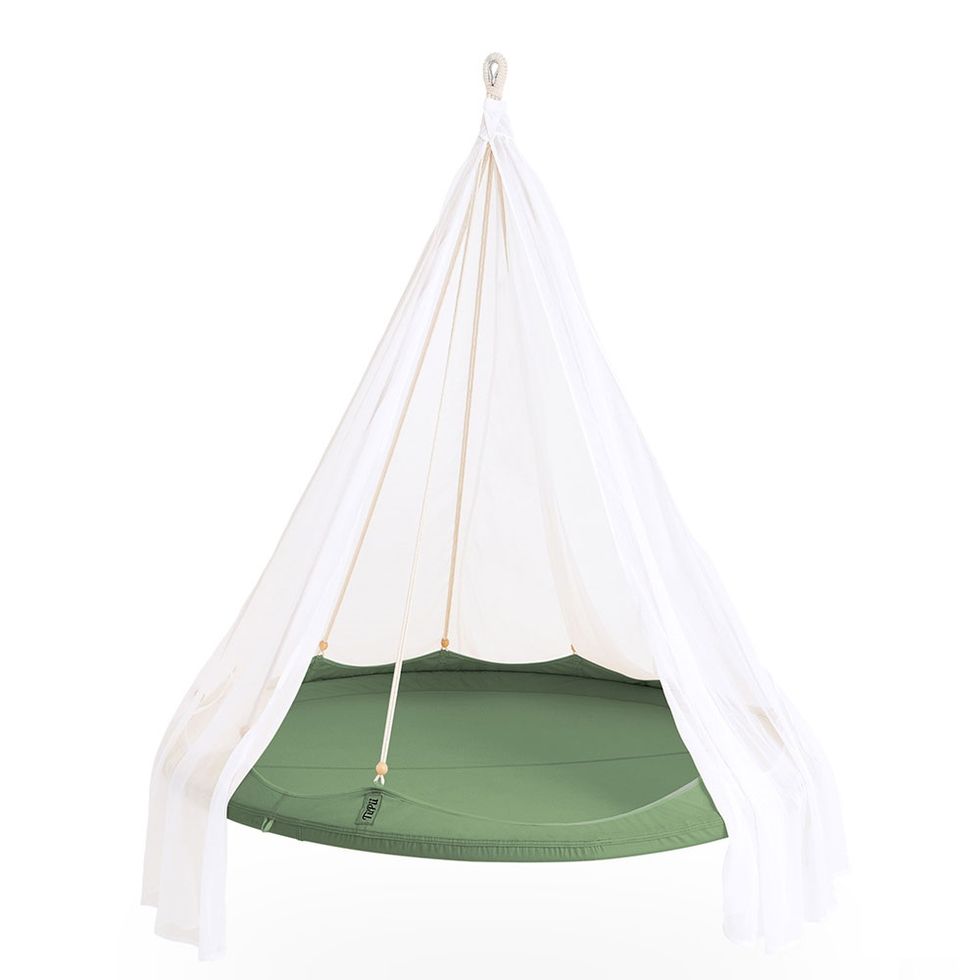
Quick and easy to assemble, this modern durable polycotton hammock bed is great for larger gardens. If you're after an investment buy, this one ticks all the right boxes. As well as being incredibly comfortable, the sheer fabric provides a shield from the sun and a sense of privacy too.
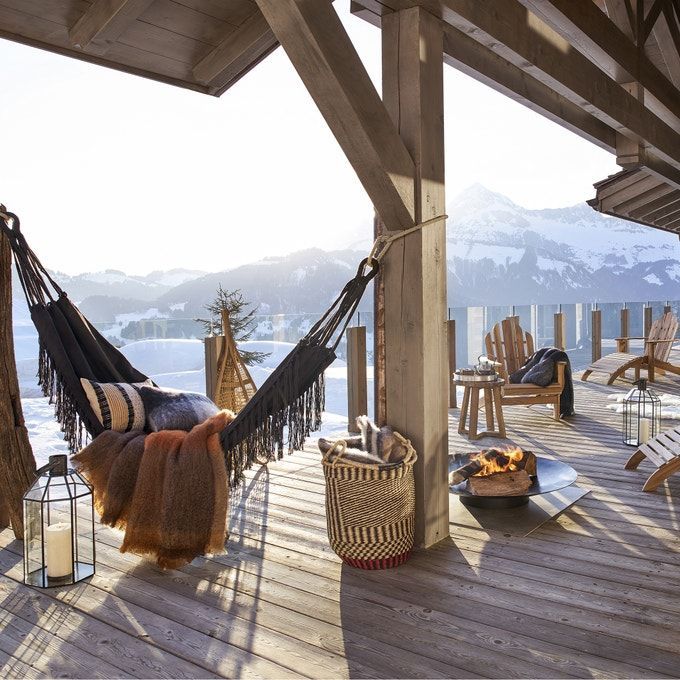
This 100 per cent cotton hanging hammock has comfort at its core. With knotted fringing at the sides and woven fixings, it's a brilliant style to add to your garden for summer. The classic black colourway makes it perfect for every garden design scheme, too.
READ MORE: 18 garden furniture sets perfect for your outdoor space
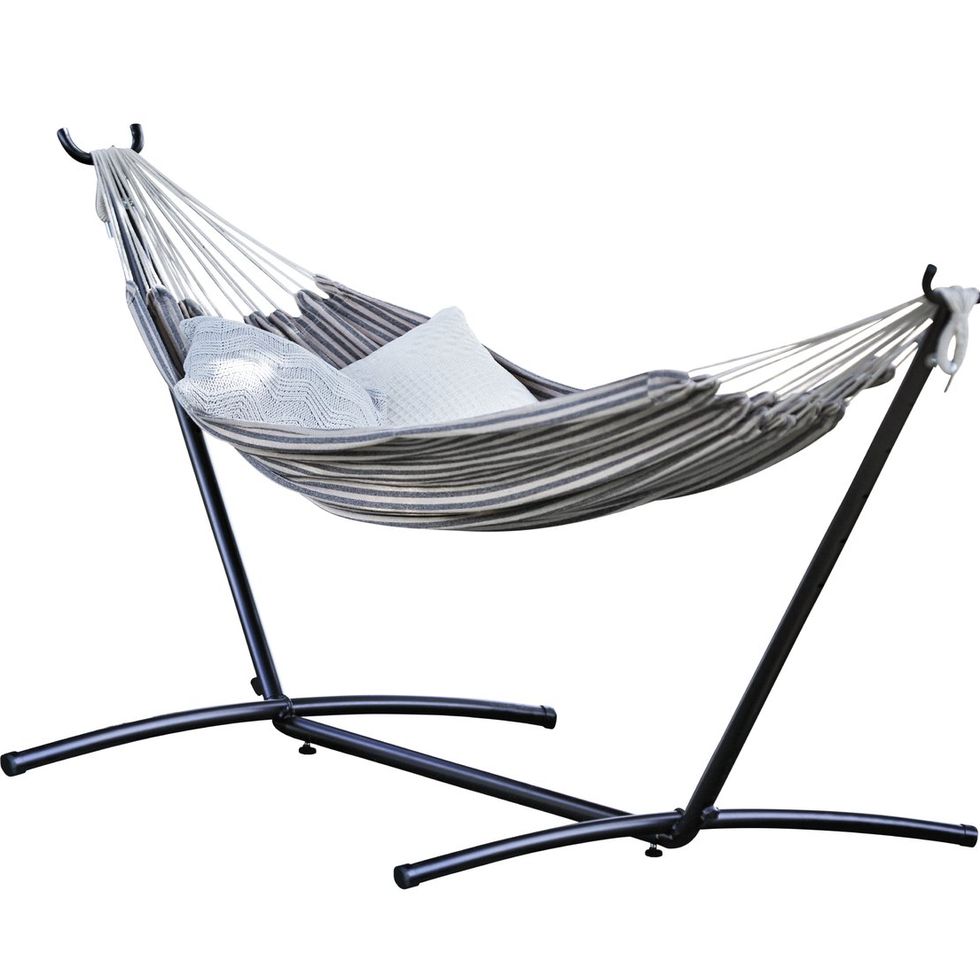
Take your relaxation one step further with this swinging hammock. With a soft fabric base and sturdy steel frame, it's perfect for those who don't have trees to hang their hammocks from. Best of all, the fabric can be easily removed and popped into the washing machine. The striped monochrome fabric brings style to your garden, while the base allows you to place it wherever is best.
Follow House Beautiful on Instagram.
Lisa Joyner is the Deputy Daily Editor at House Beautiful UK and Country Living UK, where she's busy writing about home and interiors, gardening, dog breeds, pets, health and wellbeing, countryside news, small space inspiration, and the hottest properties on the market. Previously, she has written for Conde Nast Traveller, House & Garden and Marie Claire magazine. Lisa studied at University For The Creative Arts, where she completed a BA in Fashion Journalism.


